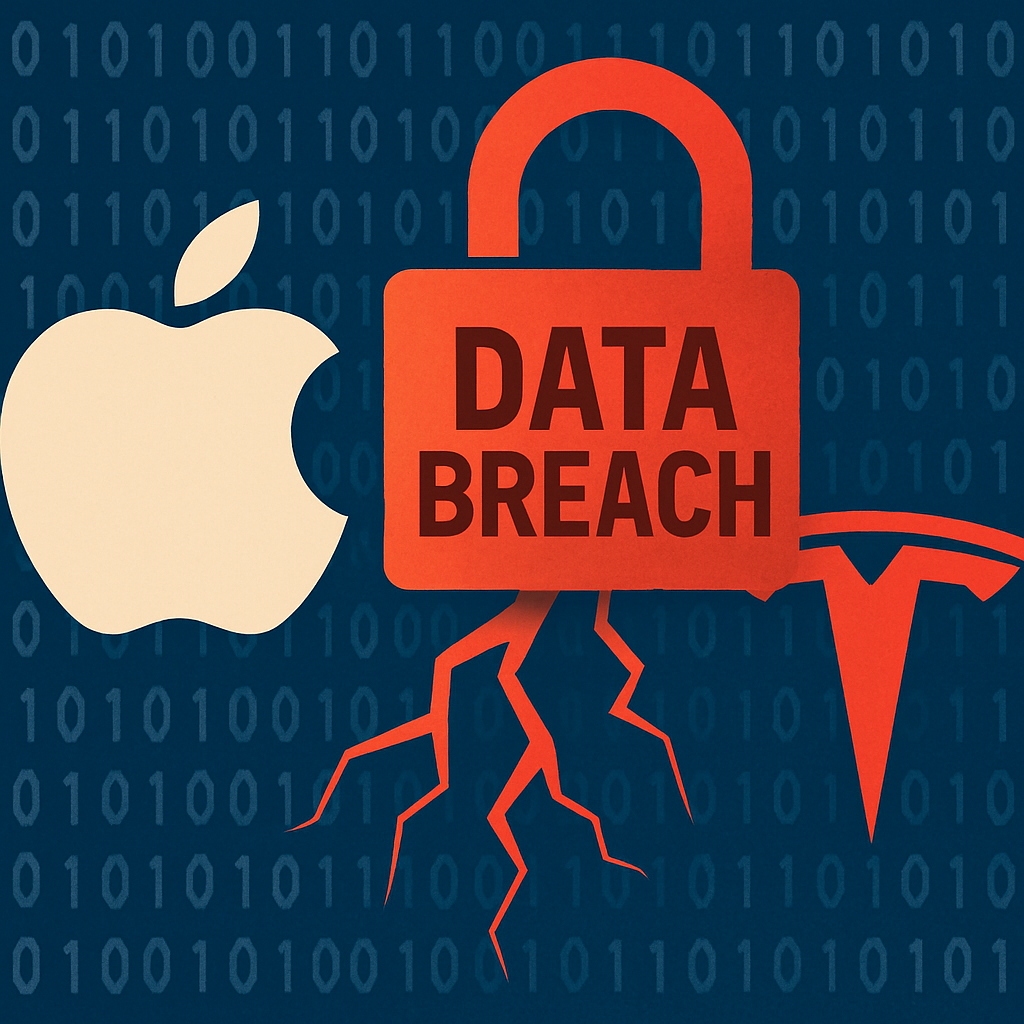
Indian electronics manufacturer Tata Electronics has confirmed a cybersecurity incident following the appearance of over 200,000 files, totaling more than 630 gigabytes, on a hacker forum. These files reportedly contain confidential documents from major clients, including Apple and Tesla.
The breach was first identified when the ransomware group World Leaks claimed responsibility, posting the stolen data on the dark web. Security researchers who reviewed the files noted the presence of sensitive information, such as Apple supplier specifications and Tesla manufacturing documents. The authenticity and completeness of the data have not been independently verified.
Founded in 2020, Tata Electronics has become a significant player in India’s electronics manufacturing sector, partnering with global companies like Apple, ASML, Intel, Qualcomm, and Tesla. The company operates facilities across India and employs over 75,000 people, according to its parent company’s website.
In response to the incident, Tata Electronics stated that it had identified the cybersecurity breach a few weeks ago and immediately activated its response protocols. The company emphasized that the incident had no impact on its operations across businesses, which remain unaffected. However, Tata Electronics declined to provide details about the nature of the compromised data, the number of affected individuals or organizations, or whether clients such as Apple and Tesla were notified.
Reports indicate that Tata Electronics informed some employees at its iPhone assembly operations about the data breach. Additionally, Apple is reportedly conducting a full analysis of the breach, while Tesla has not responded to requests for comment.
This breach underscores the growing cybersecurity challenges faced by companies involved in global supply chains. As Tata Electronics continues to expand its role in electronics manufacturing, ensuring robust security measures will be crucial to maintaining trust with clients and protecting sensitive information.