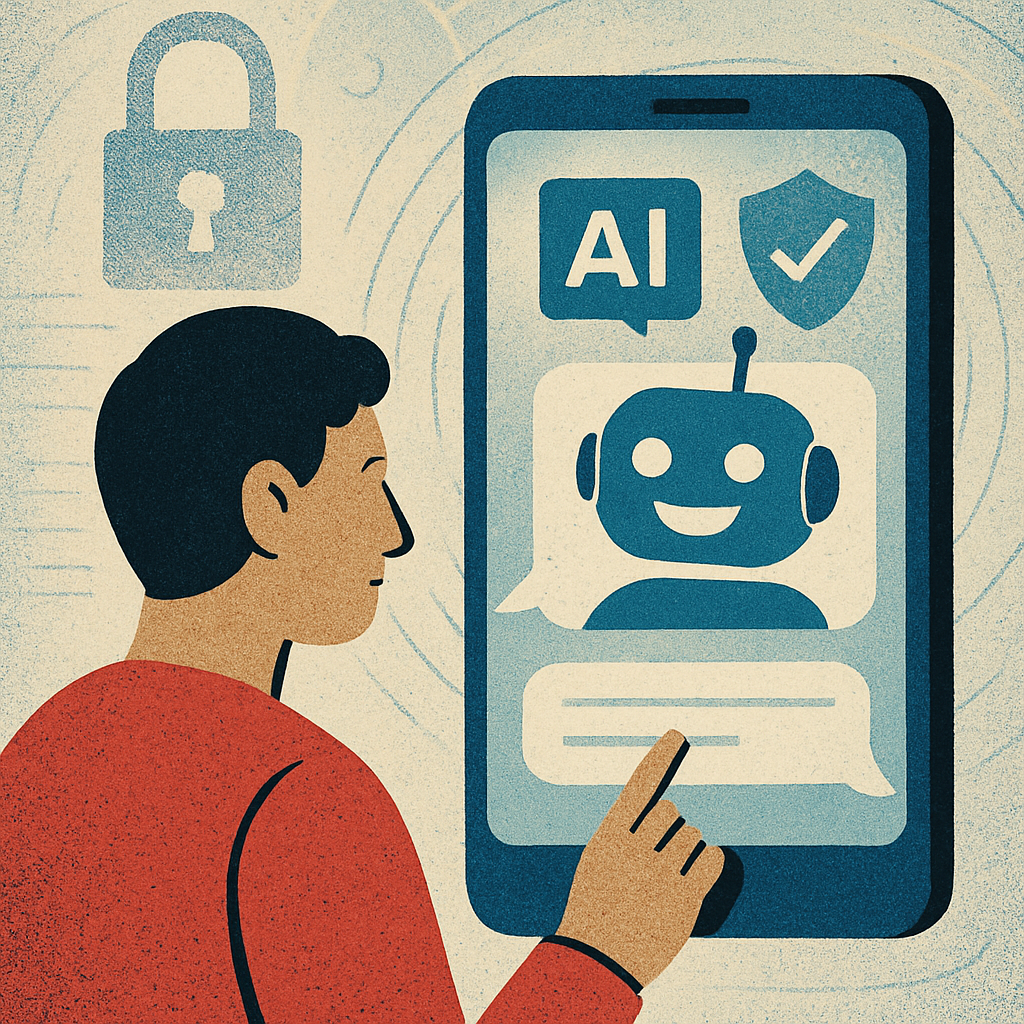
In a recent discussion, Signal President Meredith Whittaker emphasized the importance of recognizing that AI chatbots, such as ChatGPT and Claude, are not human companions. She stated, “These are not your friends. These are not conscious beings. These are not sentient interlocutors.”
Whittaker shared that while she occasionally uses AI tools for tasks like document formatting, she refrains from seeking their input on substantive matters. She explained, “I don’t ask them questions. I’m very serious about my thinking and writing, and I don’t want the process of working through an idea […] to be foreclosed or eclipsed by the response of a system that’s averaging what’s already out there.”
Addressing the growing integration of AI into daily activities, Whittaker expressed concerns about the privacy implications. She referenced a scenario where Microsoft’s AI assistant, Copilot, could manage tasks like Christmas shopping by accessing personal communications and financial information. Whittaker highlighted the risks of granting such extensive access, noting that it would require permissions across multiple applications and services, including credit card details, browser history, messaging apps, home address, and calendar. She cautioned that in the context of secure messaging platforms like Signal, this level of access could effectively create a backdoor, compromising user privacy.
Whittaker’s insights serve as a critical reminder of the potential privacy and security risks associated with the increasing reliance on AI chatbots. As these technologies become more integrated into our daily lives, it is essential to remain vigilant about the data we share and the permissions we grant. Users should critically assess the necessity and implications of allowing AI systems to access sensitive personal information, ensuring that convenience does not come at the expense of privacy and security.