With the recent release of Android 17, Pixel users are evaluating its impact on device performance, particularly battery life. This update, available for Pixel 6 and newer models, introduces features aimed at enhancing efficiency and user experience.
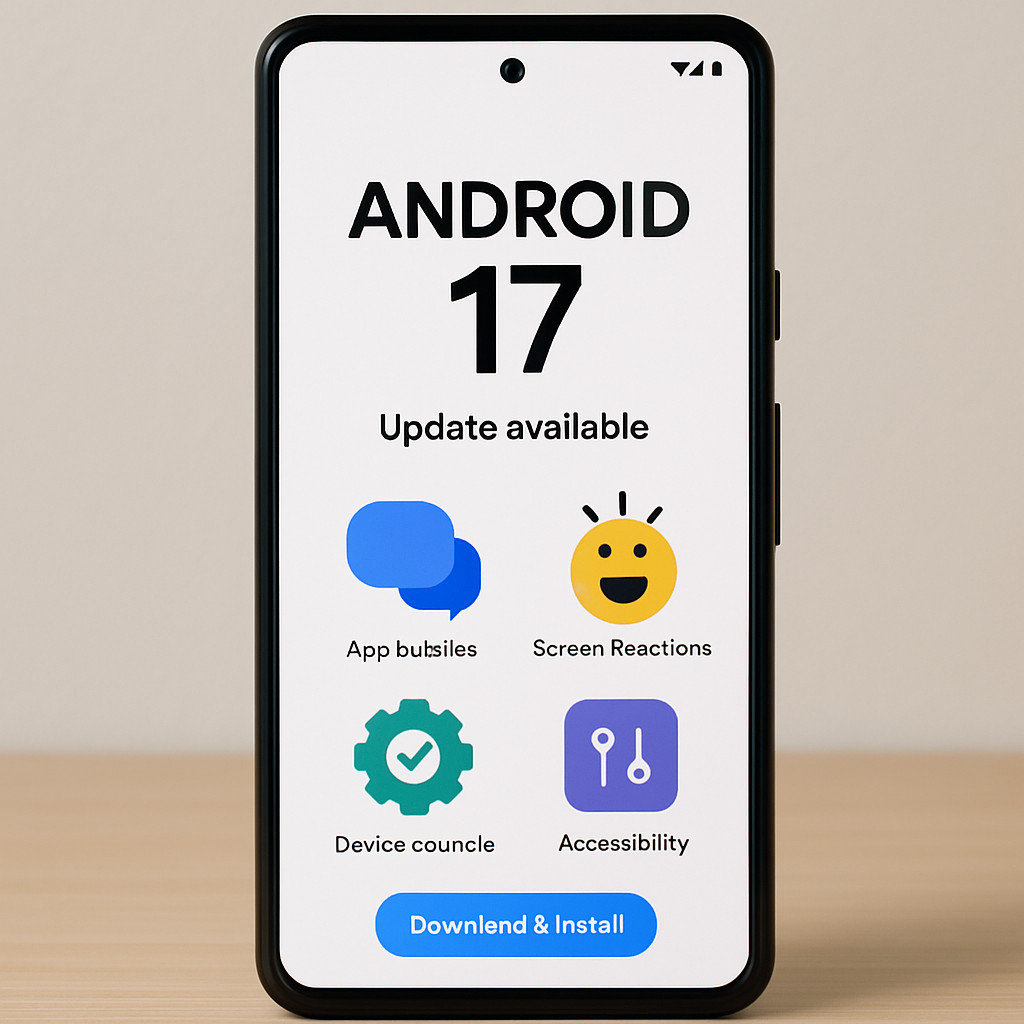
Android 17 brings several notable additions, including the ability to transform any app into a floating bubble for improved multitasking, especially beneficial for foldable devices. The Screen Reactions feature allows simultaneous screen and selfie recordings, catering to content creators. Additionally, the update introduces a frosted glass-style user interface, reminiscent of iOS’s Liquid Glass, and emphasizes AI integration through Gemini Intelligence, positioning Android as an adaptive intelligence system.
Beyond new features, Android 17 focuses on optimizing system performance. Measures such as app memory limits aim to reduce excessive RAM usage, potentially leading to better performance and extended battery life. However, the actual impact on battery longevity may vary among users, influenced by factors like device age, battery health, and individual usage patterns.
As with any major OS update, user experiences can differ. Some may notice immediate improvements in battery endurance, while others might not observe significant changes. It’s essential for users to monitor their device’s performance over time to assess the true impact of the update.
In conclusion, while Android 17 introduces promising features and optimizations, its effect on battery life is subjective and dependent on various factors. Users are encouraged to share their experiences to provide a broader understanding of the update’s real-world implications.