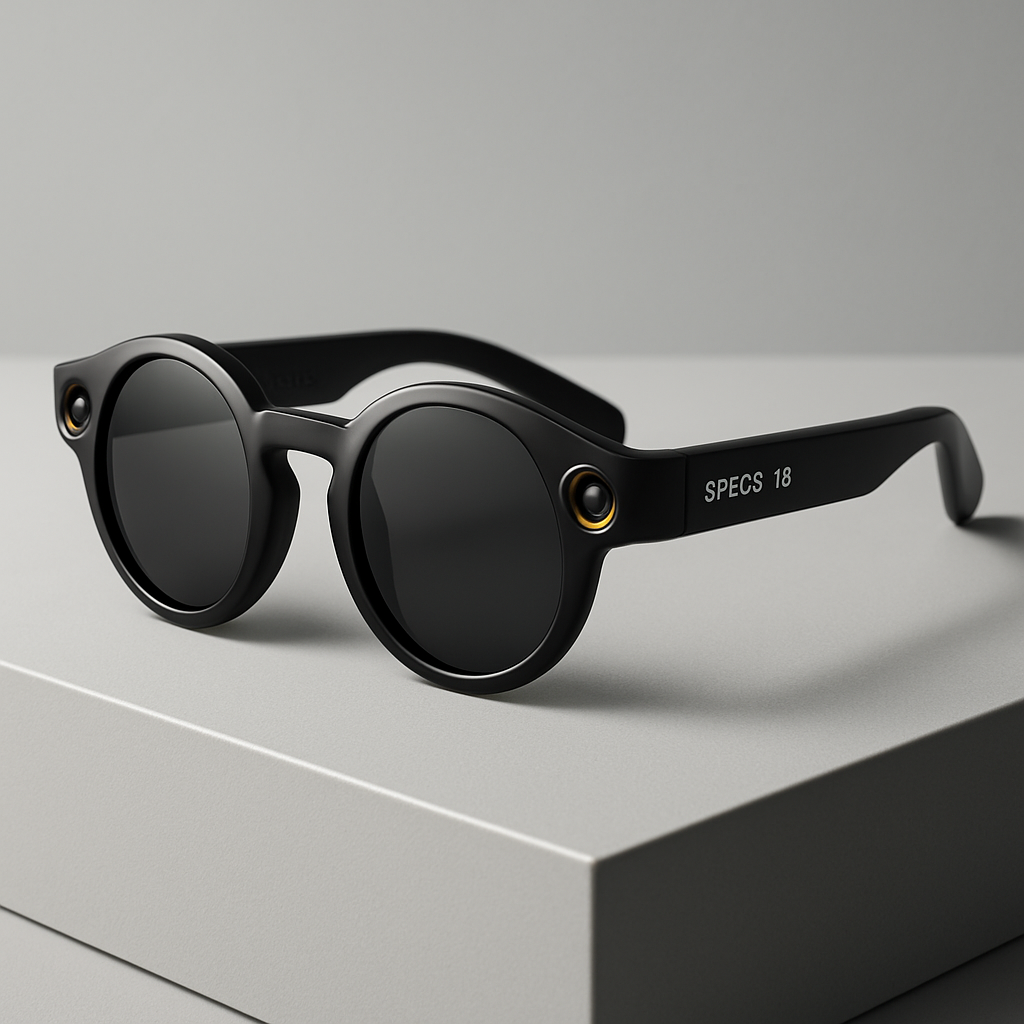
Snap Inc. has officially introduced its long-anticipated augmented reality (AR) glasses, named Specs, at the Augmented World Expo 2026. Priced at $2,195, these glasses are positioned as a significant advancement in wearable computing, aiming to seamlessly integrate digital content with the real world. This launch marks a pivotal moment for Snap, which has been investing in AR technology for over a decade.
The Specs glasses are designed to function independently, eliminating the need for a tethered device. They are powered by dual Qualcomm Snapdragon processors and feature a proprietary waveguide display offering a 51-degree field of view. Weighing between 132 to 136 grams, the frames are constructed from high-quality Swiss TR90 polymer, and the lenses support prescription customization. Additional features include hand tracking, spatial mapping, and AI-driven contextual awareness through Snap OS, enabling interactive experiences such as sports training overlays and real-time translations.
Despite the technological advancements, the steep price point has raised concerns among investors and market analysts. Following the announcement, Snap’s stock experienced a decline of over 5%, dropping from $5.86 to a low of $4.83 per share. This downturn reflects skepticism about the product’s market viability, especially considering Snap’s core user base of teenagers and young adults, who may find the price prohibitive.
CEO Evan Spiegel addressed the pricing concerns by comparing Specs to high-end computers, emphasizing their advanced capabilities and positioning them between less powerful smart glasses and bulkier, more expensive headsets. He highlighted the glasses’ wearability and immersive computing features as key differentiators in the competitive AR market.
Snap’s foray into consumer AR hardware places it in direct competition with tech giants like Meta and Apple, both of which have made significant investments in AR technology. Meta’s Ray-Ban smart glasses are priced significantly lower, while Apple’s Vision Pro headset comes at a higher cost. Snap’s strategy with Specs appears to target a niche market of tech enthusiasts and developers willing to invest in cutting-edge wearable technology.
As the AR market continues to evolve, Snap’s success with Specs will depend on its ability to demonstrate the glasses’ value proposition and expand their appeal beyond early adopters. The company’s commitment to AR innovation is evident, but the high price point may limit widespread adoption in the short term.
In conclusion, Snap’s launch of the Specs AR glasses represents a bold step in the company’s pursuit of augmented reality dominance. However, the combination of a high price tag and a declining stock price underscores the challenges ahead. The market’s response will be crucial in determining whether Specs can carve out a sustainable position in the competitive landscape of wearable technology.