The Connectivity Standards Alliance (CSA) has unveiled Matter 1.6, the latest iteration of the Matter smart home standard, introducing significant enhancements aimed at simplifying device setup and fostering seamless interoperability across various ecosystems.
NFC-Based Commissioning for Easier Device Setup
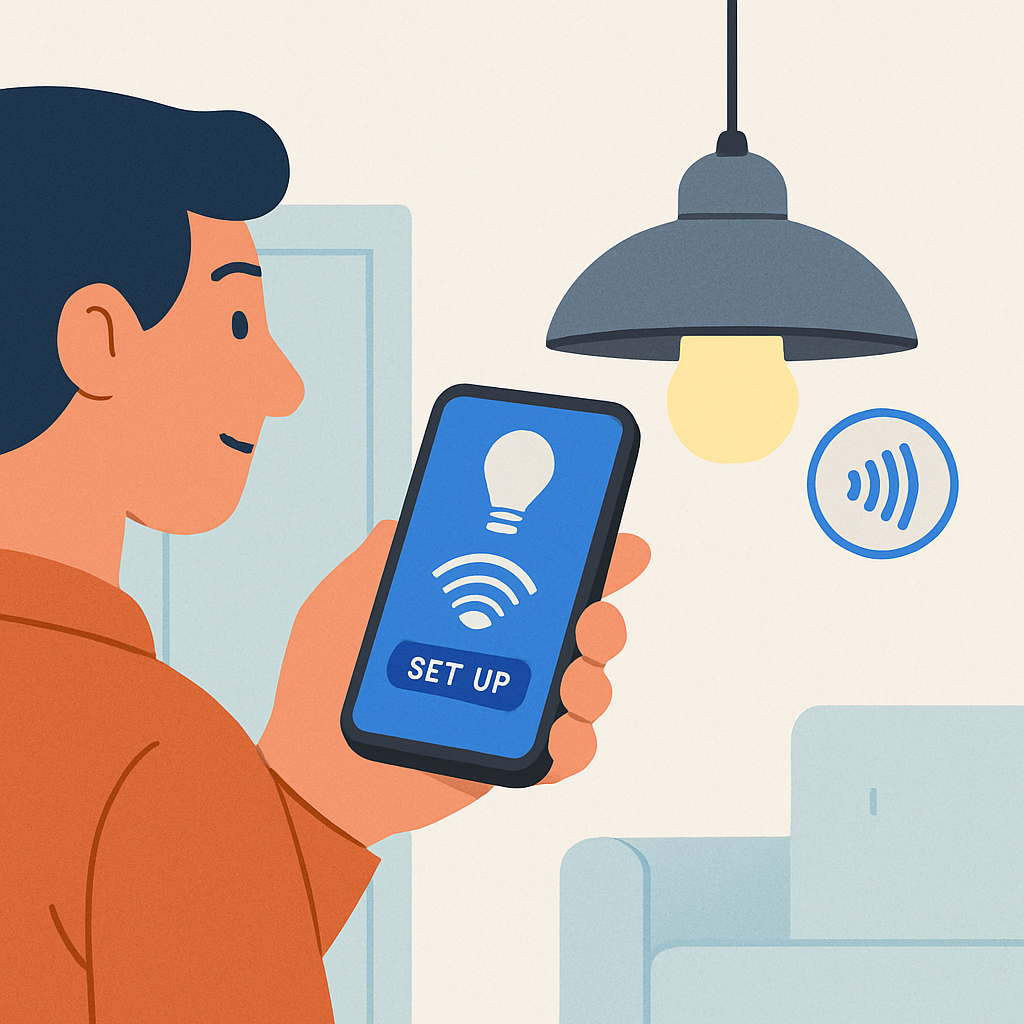
One of the standout features in Matter 1.6 is the introduction of NFC-Based Commissioning. This innovation allows users to set up devices such as ceiling-mounted light fixtures and in-wall switches before they are connected to a power source. By simply bringing a smartphone close to the device, users can initiate the setup process, eliminating the need for Bluetooth Low Energy (BLE) during installation. This advancement streamlines the integration of smart devices into homes, particularly those that are challenging to access post-installation.
Joint Fabric: Unified Control Across Ecosystems
Matter 1.6 also introduces ‘Joint Fabric,’ a feature designed to enhance multi-ecosystem device sharing. This approach enables multiple authorized controllers to co-manage a single shared Matter network. Consequently, devices added to this unified network become accessible to all participating controllers, facilitating seamless control across different platforms. For instance, both Android and iOS users within the same household can now manage Matter-enabled devices without the need for separate setups on each platform. This development marks a significant step toward a more cohesive smart home experience, reducing the fragmentation often associated with diverse ecosystems.
Thermostat Suggestions for Intelligent Climate Control
Another notable addition is the ‘Thermostat Suggestions’ feature, which refines how thermostats respond to user inputs and environmental conditions. Instead of executing direct commands to alter temperature or mode, controllers can now submit time-bound suggestions aligned with the thermostat’s presets. This allows the thermostat to consider user preferences and external factors before making adjustments. For example, if a user is enrolled in an energy-saving program, the thermostat can prioritize these commitments, preventing unintended overrides from other automation systems. Additionally, if a manual adjustment has just been made, the thermostat can recognize subsequent conflicting suggestions and defer action, ensuring that user intentions are accurately respected.
These enhancements in Matter 1.6 underscore the CSA’s commitment to creating a more intuitive and interconnected smart home environment. By simplifying device setup through NFC technology and promoting unified control across different ecosystems, Matter 1.6 addresses key challenges in smart home integration. The introduction of intelligent features like Thermostat Suggestions further demonstrates a focus on user-centric design, ensuring that smart devices operate in harmony with user preferences and environmental considerations. As the smart home landscape continues to evolve, such developments are crucial in driving widespread adoption and delivering a seamless user experience.