Odyssey, an artificial intelligence startup specializing in world models, has successfully closed a $310 million Series B funding round, elevating its valuation to $1.45 billion. The round was led by Natural Capital, with significant participation from Amazon, AMD Ventures, and GV, among others.
Founded in 2023 by CEO Oliver Cameron and CTO Jeff Hawke, both veterans in the autonomous vehicle industry, Odyssey focuses on developing AI systems that can simulate and understand the physical world. Cameron previously co-founded Voyage, an autonomous vehicle startup acquired by GM’s Cruise, where he served as VP of Product. Hawke was an engineer at UK-based self-driving startup Wayve.
World models represent a significant advancement in AI, moving beyond text-based large language models to systems capable of gathering and simulating real-world data with accurate physics. Odyssey’s approach involves collecting data through individuals equipped with camera packs, akin to Google’s method of using camera-equipped vehicles for mapping.
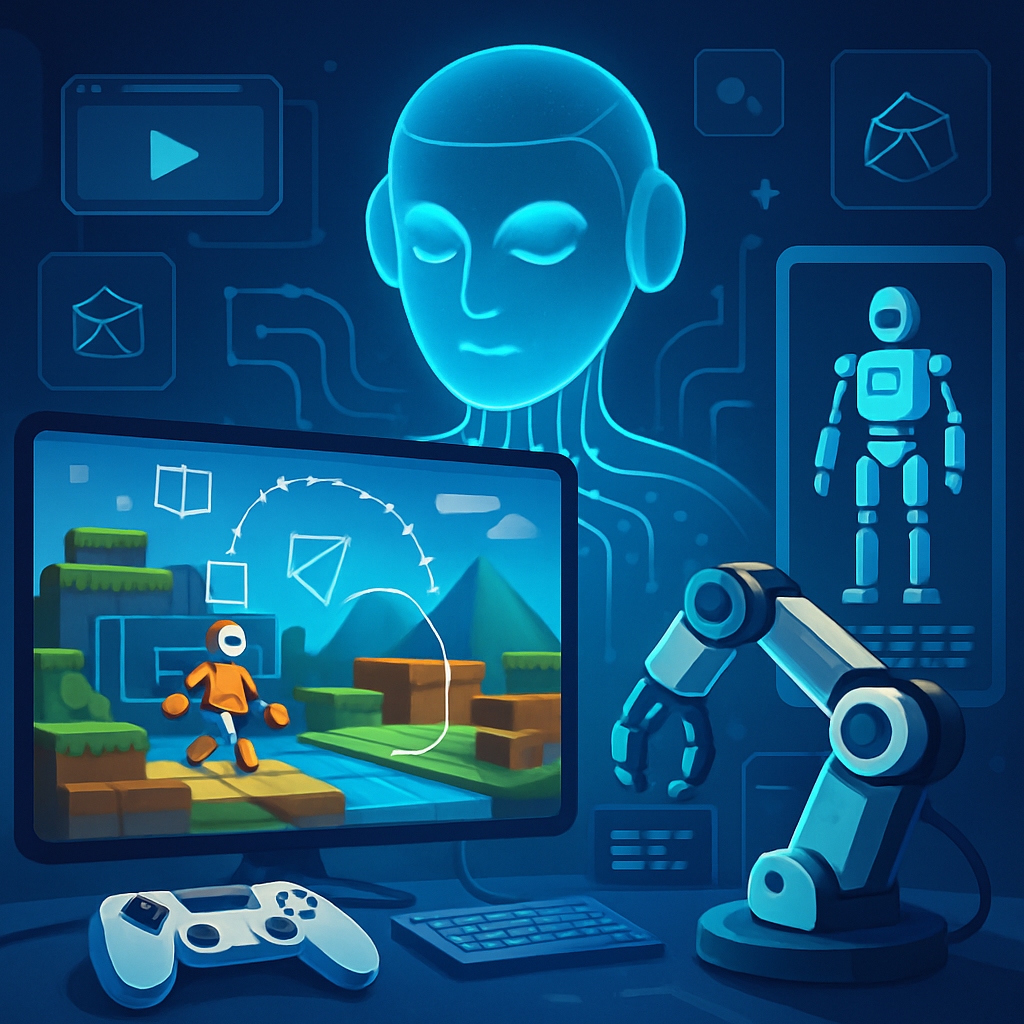
The company’s technology has diverse applications, ranging from video game development to robotics. Notably, Odyssey has gained recognition for generating rich, interactive video content from text prompts, showcasing the versatility of its world models.
With Amazon’s backing, Odyssey plans to optimize its models to run on AWS’s Trainium chips, positioning AWS as its preferred cloud provider. This strategic alignment underscores the growing collaboration between AI startups and cloud service providers to enhance computational efficiency.
In addition to institutional investors, Odyssey has attracted a roster of prominent angel investors, including Jeff Dean, Elad Gil, Garry Tan, Guillermo Rauch, and Cruise founder Kyle Vogt. To date, the company has raised a total of $337 million.
Odyssey’s substantial funding and high-profile partnerships highlight the increasing importance of world models in AI development. As these models become more sophisticated, they are poised to revolutionize industries by enabling machines to interact with and understand the physical world more effectively. This trend signifies a shift towards more immersive and interactive AI applications, with potential impacts across sectors such as entertainment, manufacturing, and autonomous systems.