Security Operations Centers (SOCs) are increasingly challenged by the sophisticated nature of URL-based phishing attacks. These malicious links often employ tactics such as redirects, newly registered domains, and browser-side manipulations that evade traditional detection methods. Consequently, analysts spend excessive time reconstructing the behavior of suspicious URLs to determine their threat level.
The primary issue lies in the gap between identifying a URL as suspicious and confirming its malicious intent. Analysts must gather comprehensive evidence, including redirects, page content, scripts, and domain information, to make informed decisions. This process is time-consuming and can delay the response to genuine threats.
Enhancing Triage with Browser-Level Visibility
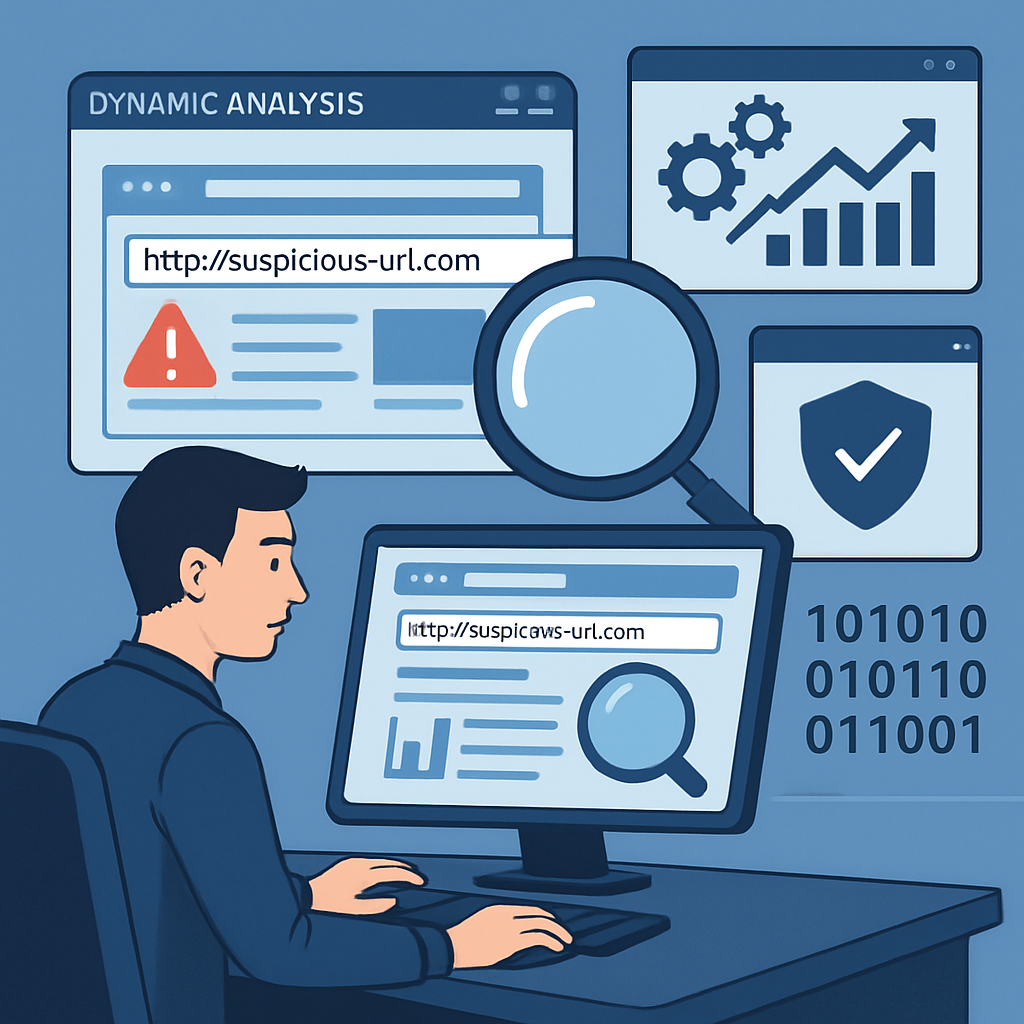
To expedite the triage process, SOCs can leverage tools that provide dynamic, browser-level analysis of URLs. Platforms like ANY.RUN’s Interactive Sandbox offer in-depth insights into a webpage’s behavior upon execution. Analysts can observe real-time data such as loaded content, executed scripts, Document Object Model (DOM) changes, and network requests, all within a controlled environment.
For instance, when analyzing a potentially malicious URL, the sandbox environment reveals critical information: a phishing verdict, triggered detection signatures, rendered screenshots of deceptive login pages, and domain details, including age and registration data. Notably, recently created domains often correlate with higher phishing risks, making domain age a valuable indicator during analysis.
By integrating such dynamic analysis tools, SOCs can significantly reduce the time spent on manual reconstruction of phishing attacks. This approach not only accelerates the identification of malicious URLs but also enhances the overall efficiency of the security team.
Incorporating browser-level visibility into SOC workflows is essential for staying ahead of evolving phishing tactics. By adopting dynamic analysis tools, organizations can improve their threat detection capabilities, reduce response times, and strengthen their overall security posture.