In an era dominated by rapid technological advancements and constant connectivity, a counter-movement known as “slow tech” is gaining traction. This movement advocates for a more mindful and intentional use of technology, aiming to reduce digital overload and improve overall well-being.
The concept of slow tech is not about rejecting technology altogether but about using it purposefully. It encourages individuals to engage with digital tools in ways that enhance their lives without overwhelming them. This approach mirrors other “slow” movements, such as slow food and slow fashion, which prioritize quality and sustainability over speed and convenience.
One of the driving forces behind the slow tech movement is the growing awareness of the negative impacts of constant digital engagement. Many people experience burnout, reduced attention spans, and mental health issues due to the incessant demands of digital devices and platforms. By adopting slow tech principles, individuals can create boundaries that allow for more meaningful interactions and a better balance between online and offline life.
Companies are also recognizing the value of this movement. For instance, Back Market, an online marketplace for refurbished technology, has observed increased interest in older devices like the iPod Shuffle. These gadgets offer a simpler, more focused user experience without the distractions of modern smartphones. This trend suggests a desire among consumers to reclaim control over their digital lives by choosing devices that serve specific purposes without unnecessary features.
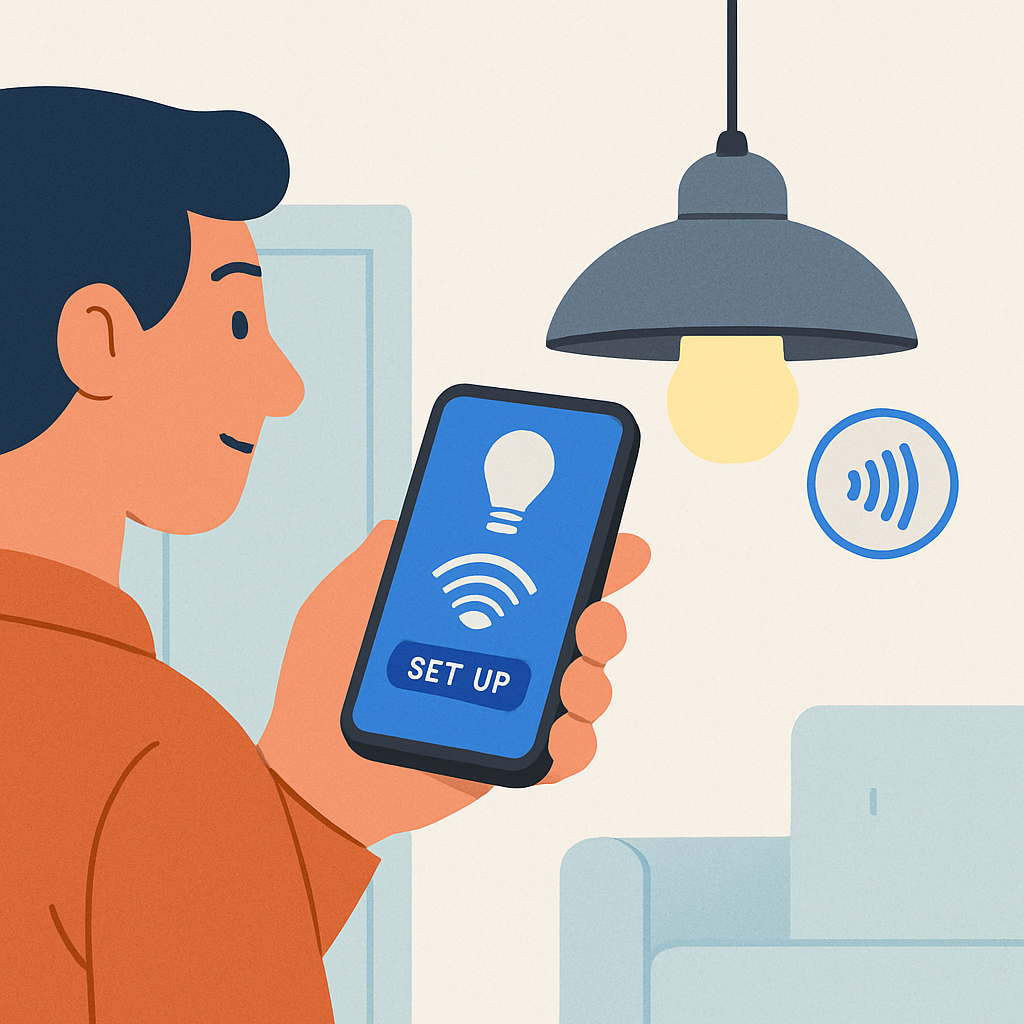
Implementing slow tech practices can involve simple changes, such as turning off non-essential notifications, scheduling screen-free time, and using apps that promote focus and mindfulness. The goal is to foster a healthier relationship with technology, where it serves as a tool to enhance life rather than a source of constant distraction.
As the slow tech movement continues to grow, it challenges the prevailing notion that faster and more connected is always better. By embracing intentionality and mindfulness in our digital interactions, we can mitigate the adverse effects of technology and create a more balanced and fulfilling life.
The rise of the slow tech movement highlights a critical shift in our relationship with technology. As digital fatigue becomes more prevalent, individuals and companies alike are seeking ways to use technology more intentionally. This movement serves as a reminder that while technology offers numerous benefits, it is essential to approach it thoughtfully to maintain our well-being and attention spans.