The latest iteration of the Matter smart home standard, version 1.6, introduces significant enhancements aimed at simplifying device setup and improving interoperability across various ecosystems. These updates are poised to make smart home configurations more user-friendly and versatile.
Streamlined Device Setup with NFC
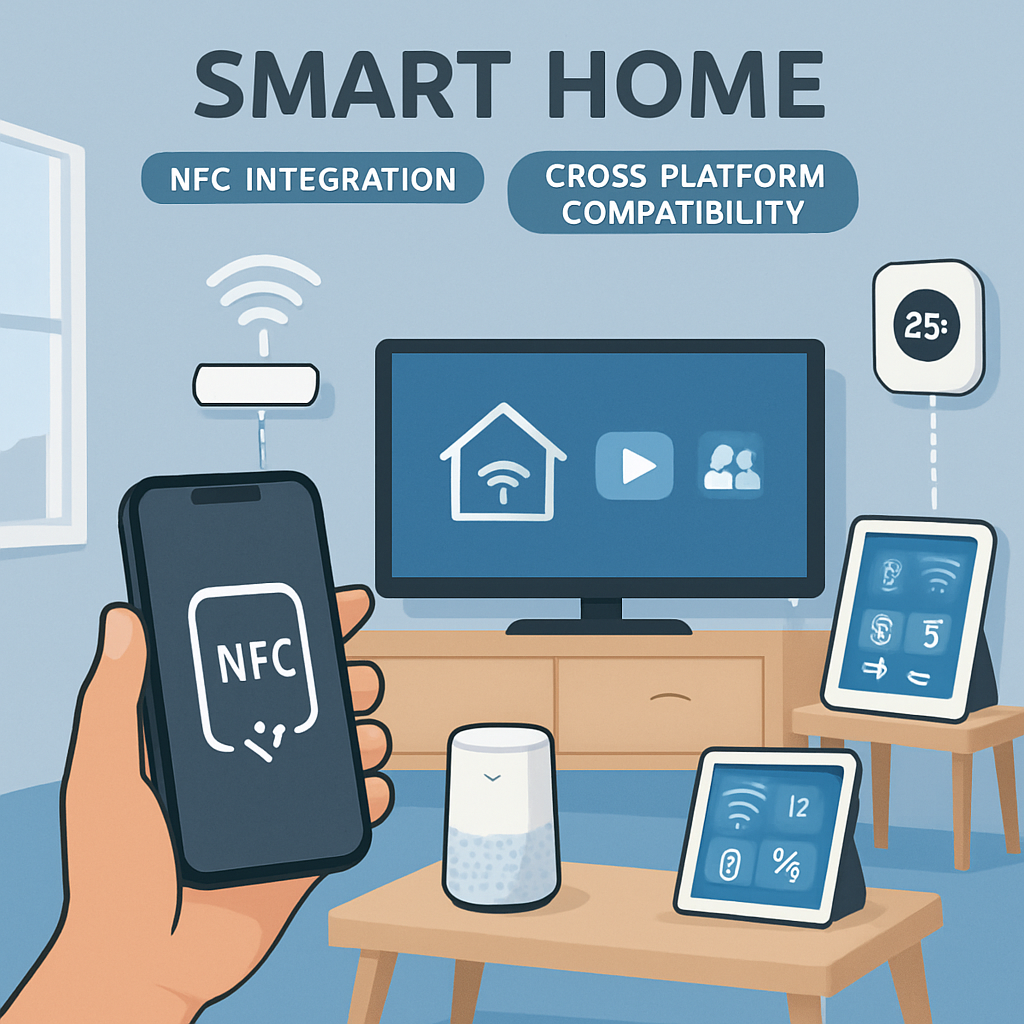
A notable feature in Matter 1.6 is the integration of Near Field Communication (NFC) technology for device commissioning. This advancement allows users to add new devices to their smart home networks by simply tapping them with an NFC-enabled smartphone or tablet. This method offers a more intuitive and efficient alternative to traditional setup processes, reducing the time and complexity involved in expanding a smart home system.
Enhanced Multi-Ecosystem Support
Matter 1.6 also focuses on bolstering support for multi-ecosystem environments. This improvement ensures that devices can seamlessly operate across different platforms, such as Apple HomeKit, Google Assistant, Amazon Alexa, and Samsung SmartThings. By fostering greater interoperability, users gain the flexibility to choose devices from various manufacturers without concern for compatibility issues, thereby enriching the overall smart home experience.
Expanded User Preferences and Customization
Another key aspect of the Matter 1.6 update is the expansion of user preferences and customization options. This enhancement empowers users to tailor their smart home setups to better align with individual needs and preferences. By providing more control over device behavior and interactions, Matter 1.6 enables a more personalized and satisfying smart home environment.
These developments underscore Matter’s commitment to creating a unified and user-centric smart home ecosystem. By addressing common pain points such as complex device setup and limited cross-platform compatibility, Matter 1.6 paves the way for broader adoption and a more cohesive smart home experience. As the standard continues to evolve, it is expected to drive innovation and encourage manufacturers to develop products that adhere to these improved protocols, ultimately benefiting consumers with more reliable and accessible smart home solutions.