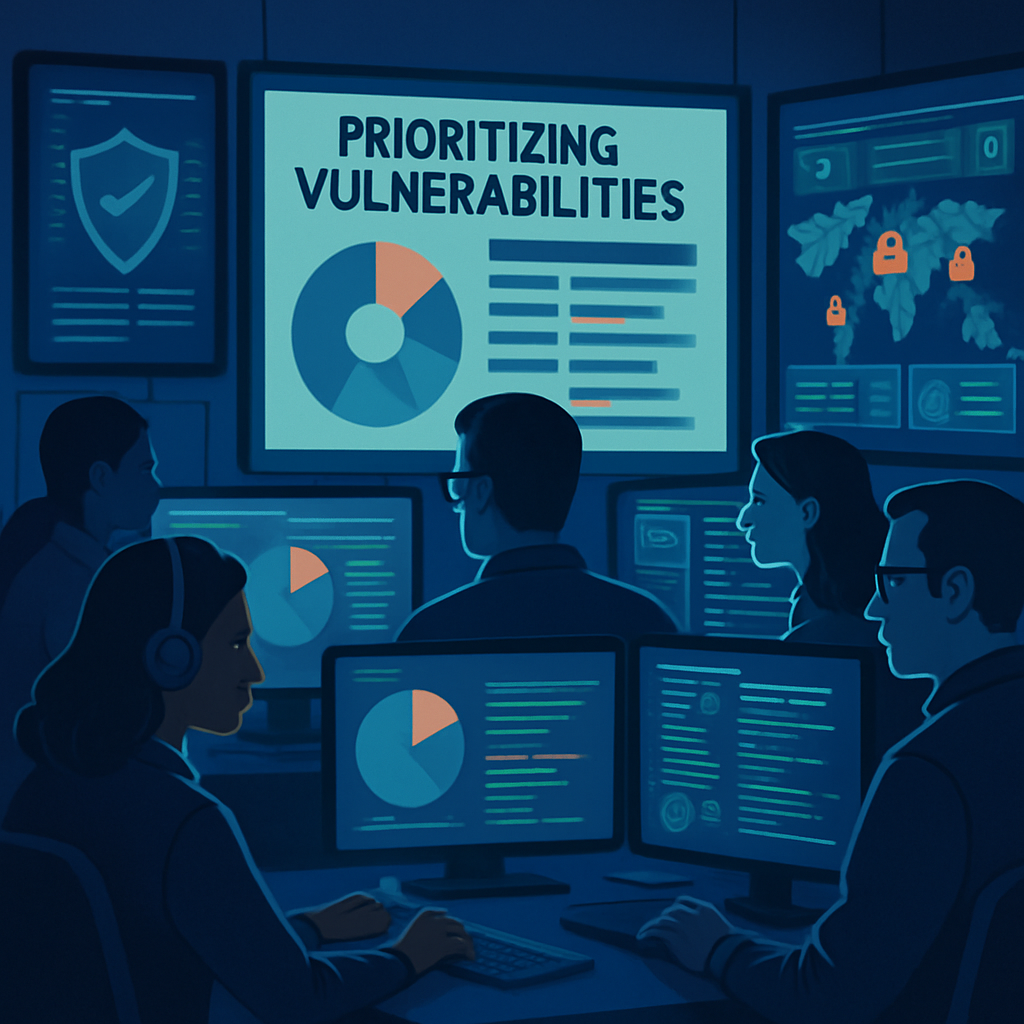
In the ever-evolving landscape of cybersecurity, organizations have significantly improved their ability to detect vulnerabilities through advanced tools and technologies. However, this increased visibility has introduced a new challenge: determining which of these numerous findings warrant immediate action. The focus has shifted from merely identifying potential risks to validating and prioritizing them effectively.
From Detection to Decision
Modern enterprises are inundated with data from various security tools, including vulnerability scanners, cloud security posture management systems, and threat intelligence feeds. While these tools provide comprehensive insights into potential threats, they also contribute to an overwhelming volume of information. Security teams are now tasked with discerning which vulnerabilities pose genuine, exploitable risks and require prompt remediation.
The 2025 Verizon Data Breach Investigations Report underscores this issue, revealing that while organizations are identifying more vulnerabilities than ever, the timelines for remediation often span days, weeks, or even years. This delay indicates that improved detection capabilities have not necessarily translated into enhanced security outcomes. The critical question remains: which risks should be addressed first?
Contextualizing Vulnerabilities
Understanding the context of a vulnerability is essential for effective prioritization. Security teams must assess factors such as the exploitability of the vulnerability, its reachability within the network, the criticality of affected systems, and the potential impact on business operations. This contextual analysis transforms a raw vulnerability report into actionable intelligence, enabling teams to allocate resources where they are most needed.
Organizations that excel in this area are not necessarily those with the fewest vulnerabilities but those that can efficiently distinguish between theoretical exposures and practical risks. By integrating technical findings with operational and business considerations, these organizations can make informed decisions swiftly, enhancing their overall security posture.
The Role of Adversarial Exposure Validation
To address the challenge of effective prioritization, many organizations are turning to Adversarial Exposure Validation (AEV). AEV involves simulating real-world attack scenarios to test the effectiveness of existing security controls and identify exploitable vulnerabilities. This proactive approach provides security teams with a clear understanding of which vulnerabilities are most likely to be targeted by adversaries and the potential impact of such attacks.
By incorporating AEV into their security programs, organizations can move beyond traditional detection methods and focus on validating the actual risk posed by identified vulnerabilities. This shift enables more confident decision-making and ensures that remediation efforts are directed toward the most pressing threats.
In conclusion, while advancements in detection technologies have enhanced visibility into potential security issues, the ability to validate and prioritize these findings is crucial. Adversarial Exposure Validation offers a strategic approach to understanding and mitigating real-world risks, empowering organizations to strengthen their defenses effectively.