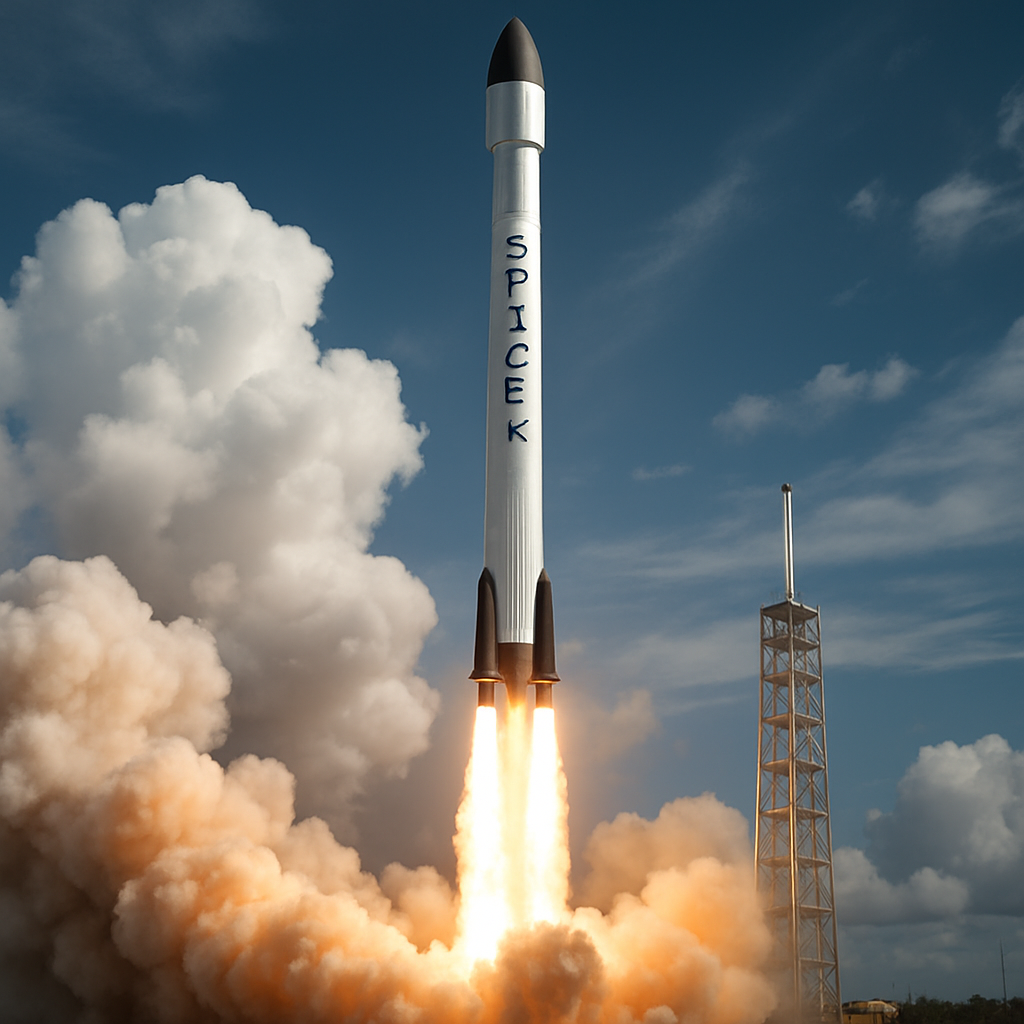
SpaceX, the aerospace company founded by Elon Musk in 2002, has made a monumental entry into the public markets with its initial public offering (IPO) on June 11, 2026. The company priced 555.6 million shares at $135 each, raising $75 billion and marking the largest IPO in history. This valuation has propelled Musk into the position of the world’s first trillionaire.
Trading under the ticker symbol SPCX on the Nasdaq, SpaceX’s shares opened at $150 on June 12, an 11% increase from the IPO price. The stock continued its upward trajectory, closing at $160.95, reflecting a 19% gain on the first day. This performance underscores the strong investor confidence in SpaceX’s vision and capabilities.
Financially, SpaceX reported revenues exceeding $18 billion in 2025, despite cumulative losses of over $37 billion since its inception. The company’s Starlink satellite internet service has been a significant contributor to its revenue stream, serving over 10 million users globally. Additionally, SpaceX has secured substantial contracts, including a $920 million-per-month deal with Google for compute services.
Elon Musk holds approximately 85.1% of the company’s voting power, ensuring his continued influence over SpaceX’s strategic direction. Other major stakeholders include COO Gwynne Shotwell and board member Luke Nosek, who stand to benefit significantly from the IPO.
Looking ahead, SpaceX plans to expand its Starship program and develop a constellation of AI-focused satellites. The company has unveiled the AI1 satellite, designed to support energy-intensive AI workloads using off-Earth power. This initiative aims to address the growing demand for AI compute resources and positions SpaceX at the forefront of space-based data centers.
Investors are advised to approach with caution due to the inherent volatility associated with IPOs and the ambitious nature of SpaceX’s projects. While the company’s innovative endeavors present substantial growth potential, they also come with significant risks. As SpaceX navigates its new status as a publicly traded entity, stakeholders will closely monitor its ability to execute on its ambitious plans and deliver sustainable returns.
In summary, SpaceX’s IPO represents a significant milestone in the aerospace and technology sectors. The company’s successful debut reflects strong market confidence, but the path forward will require careful execution of its ambitious projects to justify its lofty valuation.