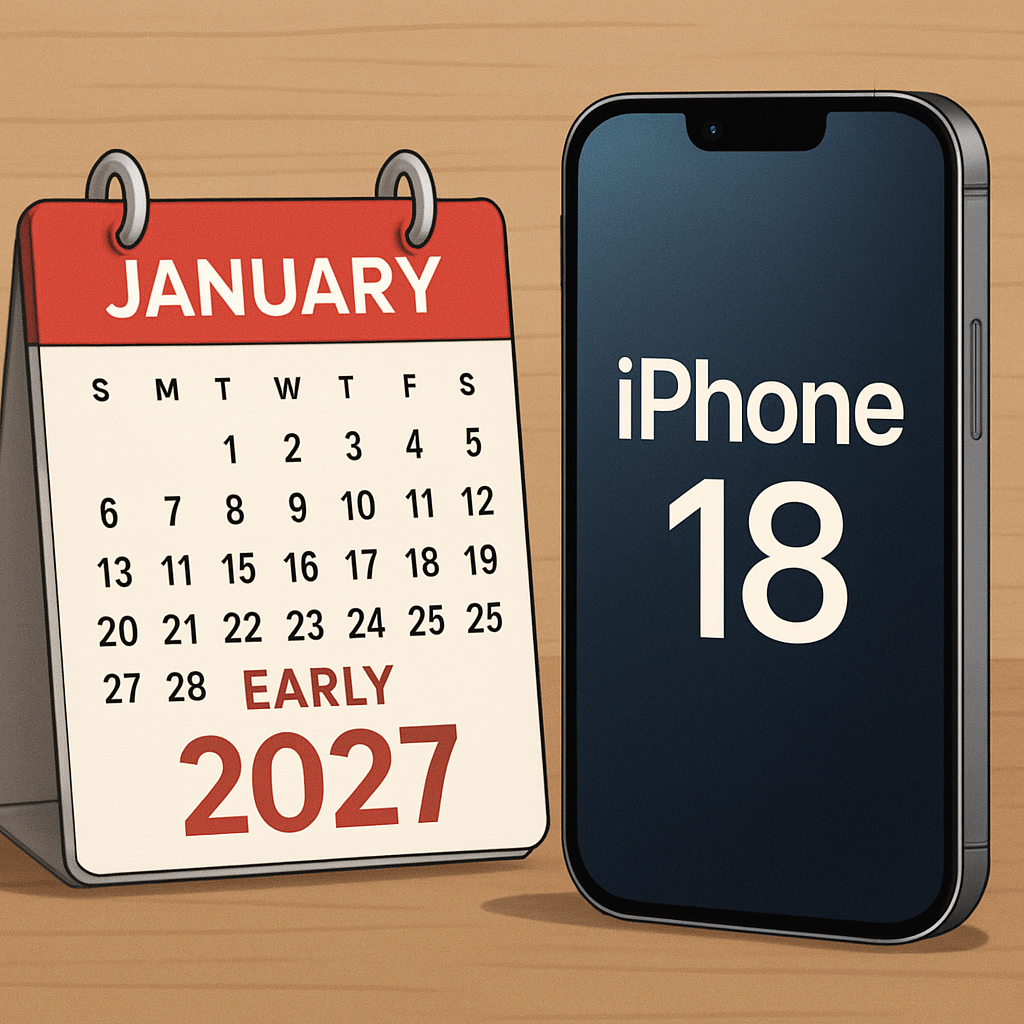
Apple’s standard iPhone 18 model is now expected to launch in early 2027, according to comments from a key supplier that align with previous reports of a delayed release for the base model.
Traditionally, Apple unveils its latest iPhone lineup each fall, typically around mid-September. However, this year marks a departure from that schedule. Multiple reports have indicated that the base iPhone 18 will be postponed until spring 2027, with only the iPhone 18 Pro models and Apple’s first foldable iPhone debuting this fall.
Recent remarks from Lin En-ping, chairman of Largan Precision—a primary supplier of iPhone camera lenses—appear to support these claims. During Largan’s annual shareholders’ meeting, Lin mentioned that a major U.S. customer had delayed the launch of a new model to the first quarter of 2027. This postponement has shifted component procurement later into the year, leading to increased factory utilization expected in the fourth quarter. While Lin did not specify the customer or product, the connection to Apple is evident given Largan’s role in supplying iPhone components.
Such disclosures are uncommon among Apple suppliers, who typically refrain from discussing clients’ product plans publicly. Lin’s comments, therefore, carry significant weight in corroborating the anticipated shift in Apple’s release strategy.
Reports suggest that Apple plans to stagger future iPhone launches across two release windows. Under this new approach, premium models would continue to debut in September, while more affordable models would follow in the spring. If these reports hold true, the standard iPhone 18 will arrive in early 2027 alongside the iPhone 18e and iPhone Air 2, approximately six months after the iPhone 18 Pro, iPhone 18 Pro Max, and the rumored foldable “iPhone Ultra.”
This staggered release strategy is expected to help Apple manage manufacturing resources more efficiently as its lineup expands from five to six devices. Additionally, it aims to maintain sales momentum throughout the year. If implemented, this would mark the first deliberate separation of Apple’s flagship iPhone releases since the company established its annual fall launch pattern with the iPhone 4S in 2011.
The standard iPhone 18 models are not anticipated to feature significant design changes, with Apple likely maintaining the 6.3-inch display for the iPhone 18 and the 6.1-inch display for the iPhone 18e.
Apple’s decision to adjust its release schedule reflects a strategic move to adapt to market dynamics and supply chain considerations. By introducing premium models in the fall and standard models in the spring, Apple can better align with consumer demand cycles and manage production challenges. This approach may also provide a competitive edge by keeping Apple’s product lineup fresh and engaging throughout the year.