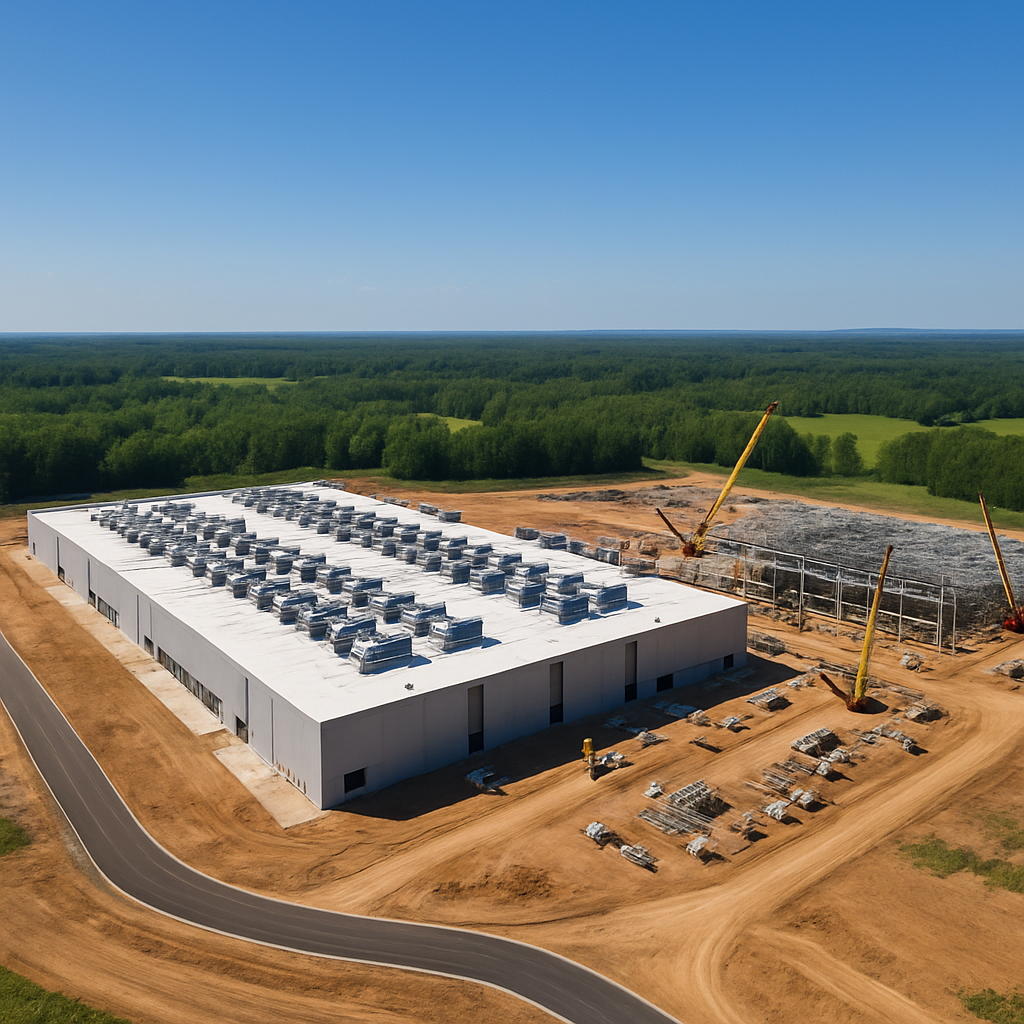
Google has announced a significant expansion of its data center operations in Jackson County, Alabama, committing $1.5 billion to enhance its existing facilities. This investment underscores Google’s ongoing efforts to bolster its infrastructure to meet the growing demands of cloud computing and artificial intelligence services.
The expansion project is slated to commence in 2026 and conclude by 2027. In alignment with the U.S. government’s Ratepayer Protection Pledge, Google has pledged to cover all associated power and infrastructure costs. This commitment ensures that local electricity rates remain unaffected by the increased energy consumption resulting from the data center’s growth.
A notable aspect of this expansion is Google’s plan to power the facility using nuclear energy. This initiative stems from a partnership established in 2025 between Google, Kairos Power, and the Tennessee Valley Authority (TVA). The agreement aims to supply up to 50 megawatts of clean nuclear power to Google’s data centers in both Alabama and Tennessee. By integrating nuclear energy, Google seeks to reduce its carbon footprint and enhance the sustainability of its operations.
Currently, Google has contracted with TVA to introduce over 300 megawatts of new generation capacity to the Tennessee Valley region. Until the nuclear power infrastructure becomes operational, Google is implementing measures to reduce power usage during peak demand periods, thereby supporting grid stability and minimizing environmental impact.
The Jackson County data center, which began operations in 2019, is situated on the site of the former Widows Creek coal plant. By repurposing existing electrical infrastructure, Google has enhanced the reliability of the data center while contributing to the region’s transition to cleaner energy sources.
This expansion reflects a broader trend among tech giants investing heavily in data center infrastructure to support the escalating demands of cloud services and AI technologies. Google’s commitment to sustainable energy solutions, such as nuclear power, highlights the industry’s shift towards environmentally responsible growth. As the project progresses, it will be crucial to monitor how these developments influence local economies, energy policies, and the broader tech landscape.