Anthropic has revised its privacy policy for Claude, its AI assistant, to incorporate provisions for age and identity verification among consumer users. This update, set to take effect on July 8, 2026, reflects the company’s commitment to enhancing security and compliance across its Free, Pro, and Max plans.
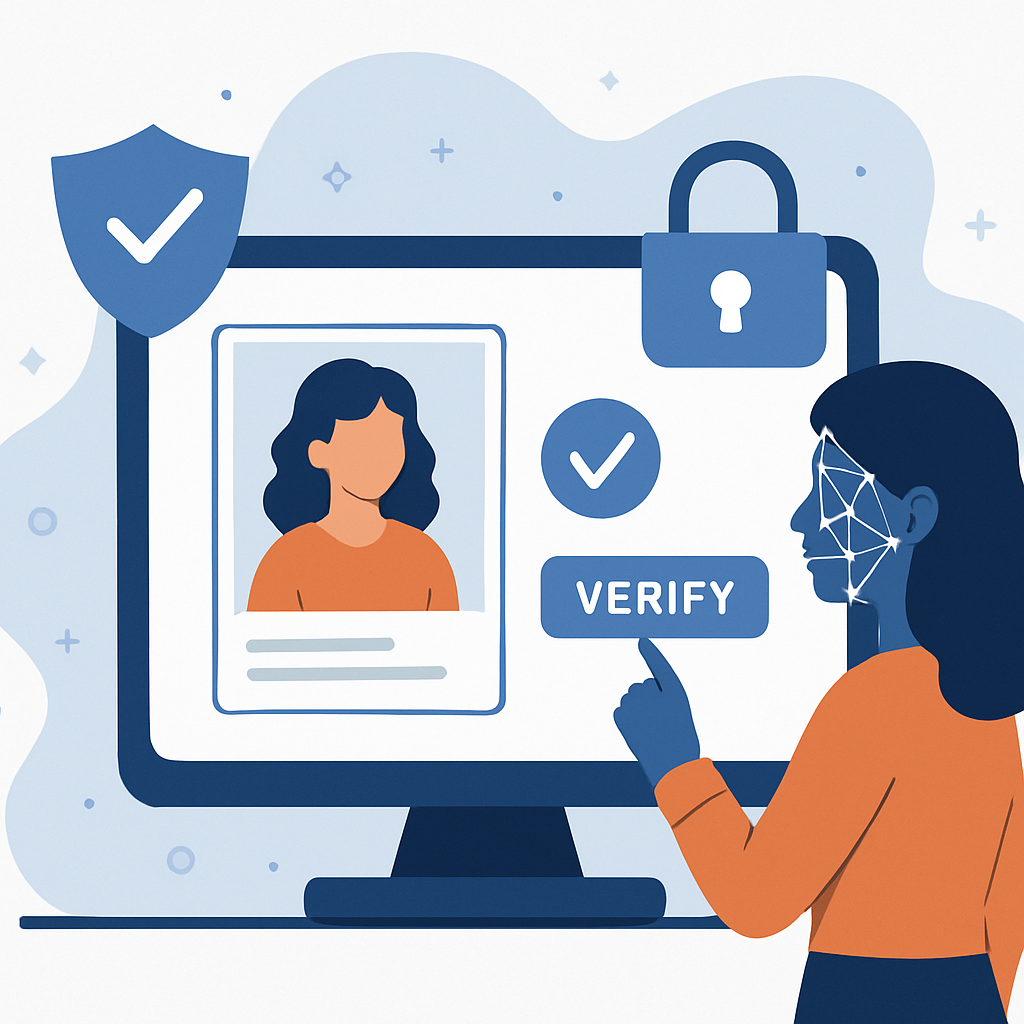
The updated policy explicitly states that Anthropic may request users to verify their age or identity to maintain the safety and security of its services. A new ‘Verification’ data category has been introduced, detailing the types of information that may be collected during this process and how it will be utilized.
While the specific procedures for verification are not fully outlined in the policy, the inclusion of this language authorizes Anthropic to implement ID and age checks for certain users or scenarios. This change is part of a broader refresh of the company’s consumer privacy documentation, which also provides more detail on handling multi-step tasks, connected applications, user research, and data-sharing scenarios.
It’s important to note that these changes apply solely to consumer accounts. Customers on the Claude Team, Enterprise, and Developer Platform are covered by separate terms and policies and are not affected by this update.
For users concerned about privacy and security, questions may arise regarding the scope and retention of collected data. Identity verification processes typically involve government-issued IDs, selfies, or other proof-of-identity attributes, often processed through specialized third-party providers. Even when data collection is framed as limited to safety, fraud prevention, or legal obligations, concerns persist about data retention duration, access permissions, and protection against misuse or breaches.
Anthropic addresses these concerns by reiterating constraints on its data practices in the updated policy. The company emphasizes that it does not sell user data and that Claude remains ad-free, reducing the incentive to repurpose personal information for advertising. Additionally, users have the option to opt out of having their conversations used to improve models, maintaining control over their chat content. Notably, the policy distinguishes between verification data and model training data, indicating that identity-related information is not intended to feed back into Claude’s learning process.
This move by Anthropic aligns with a broader industry trend where AI providers are implementing stronger age and identity controls in response to abuse, regulatory pressure, and the risks associated with increasingly capable models. For security practitioners and privacy advocates, such policy shifts serve as early indicators of forthcoming requirements for users seeking access to advanced features or higher-risk workflows on platforms like Claude.
As AI technologies continue to evolve and integrate more deeply into daily life, the balance between user convenience and security becomes increasingly critical. Anthropic’s proactive approach to updating its privacy policy reflects an understanding of this balance and a commitment to maintaining user trust through transparent and responsible data practices.