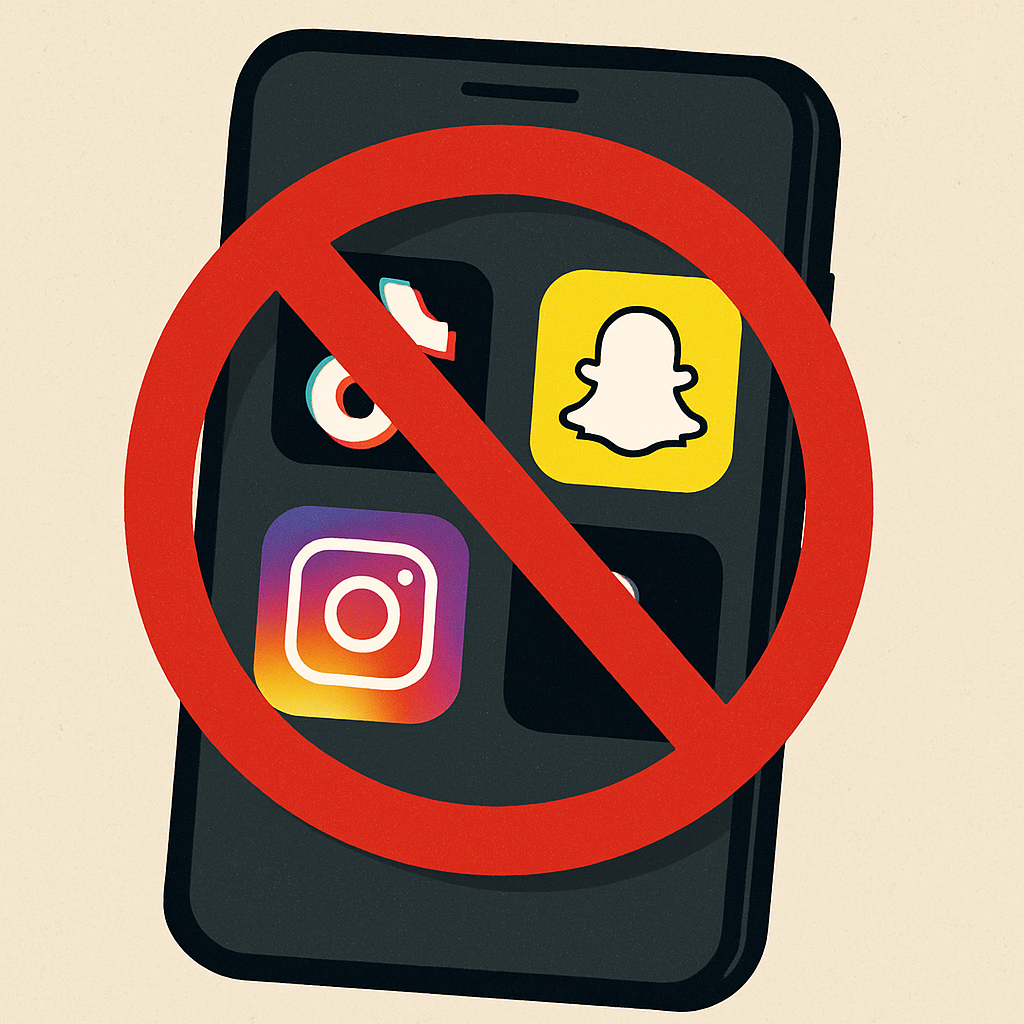
The United Kingdom is set to implement a comprehensive ban on social media usage for individuals under the age of 16, with the new regulations slated to take effect in 2027. Prime Minister Keir Starmer announced this initiative, emphasizing the government’s commitment to safeguarding children from potential online harms.
This forthcoming legislation will encompass major social media platforms, including Snapchat, TikTok, YouTube, Instagram, Facebook, and X. While an exhaustive list of affected services has yet to be released, the ban will target platforms primarily designed for social interaction and user-generated content sharing. Notably, messaging applications such as WhatsApp and Signal are excluded from these restrictions.
In addition to the age-based access limitations, the government plans to enforce several protective measures. Under-16 users will be prohibited from engaging in livestreaming activities, including those on gaming platforms. Furthermore, functionalities that allow unsolicited contact from strangers will be disabled by default for users under 17, aiming to prevent abrupt exposure to potential online risks as they approach adulthood.
Addressing concerns related to artificial intelligence, the legislation will mandate that “romantic companion” chatbots, which simulate intimate relationships, enforce a minimum user age of 18. More broadly, AI chatbots will be required to restrict features deemed inappropriate for users under 18.
Prime Minister Starmer acknowledged the challenges associated with implementing and enforcing such a comprehensive ban but underscored the necessity of prioritizing children’s safety and well-being. He highlighted that a significant majority of parental feedback—90%—from the “Growing Up in the Online World” consultation supported establishing a minimum age of 16 for social media access.
While the government’s intentions are clear, the effectiveness of this ban will largely depend on the cooperation of social media companies in enforcing age restrictions and the development of robust age verification mechanisms. Additionally, the potential for young users to circumvent these restrictions remains a concern, as evidenced by similar challenges faced in other countries implementing comparable measures.