Amazon CEO Andy Jassy recently expressed significant concerns to senior U.S. government officials regarding the security implications of Anthropic’s advanced AI models, particularly Claude Fable 5 and Mythos 5. These discussions reportedly influenced the Trump administration’s decision to impose stringent export controls on these models, effectively restricting their access by foreign entities.
Anthropic, a prominent player in the AI industry, had previously released Fable 5, a consumer-friendly version of its powerful Mythos-class AI. Despite implementing safeguards, the company acknowledged potential risks associated with public access to such advanced systems. Fable 5 was designed to perform complex tasks autonomously, aiming to serve as a digital collaborator rather than a mere assistant. To mitigate cybersecurity threats, Anthropic employed classifiers to detect sensitive requests, redirecting them to a safer model, Claude Opus 4.8. Early user feedback highlighted Fable 5’s advanced capabilities, though some concerns were raised about token consumption and limited access to its most powerful features.
In response to the government’s directive, Anthropic announced it had taken Fable 5 and Mythos 5 offline to comply with the new export controls. The company expressed disagreement with the government’s handling of the situation, citing a lack of transparency and specific reasoning regarding national security concerns. Anthropic labeled the situation a “misunderstanding” and hopes to restore model access soon. The Commerce Department has yet to comment on the matter.
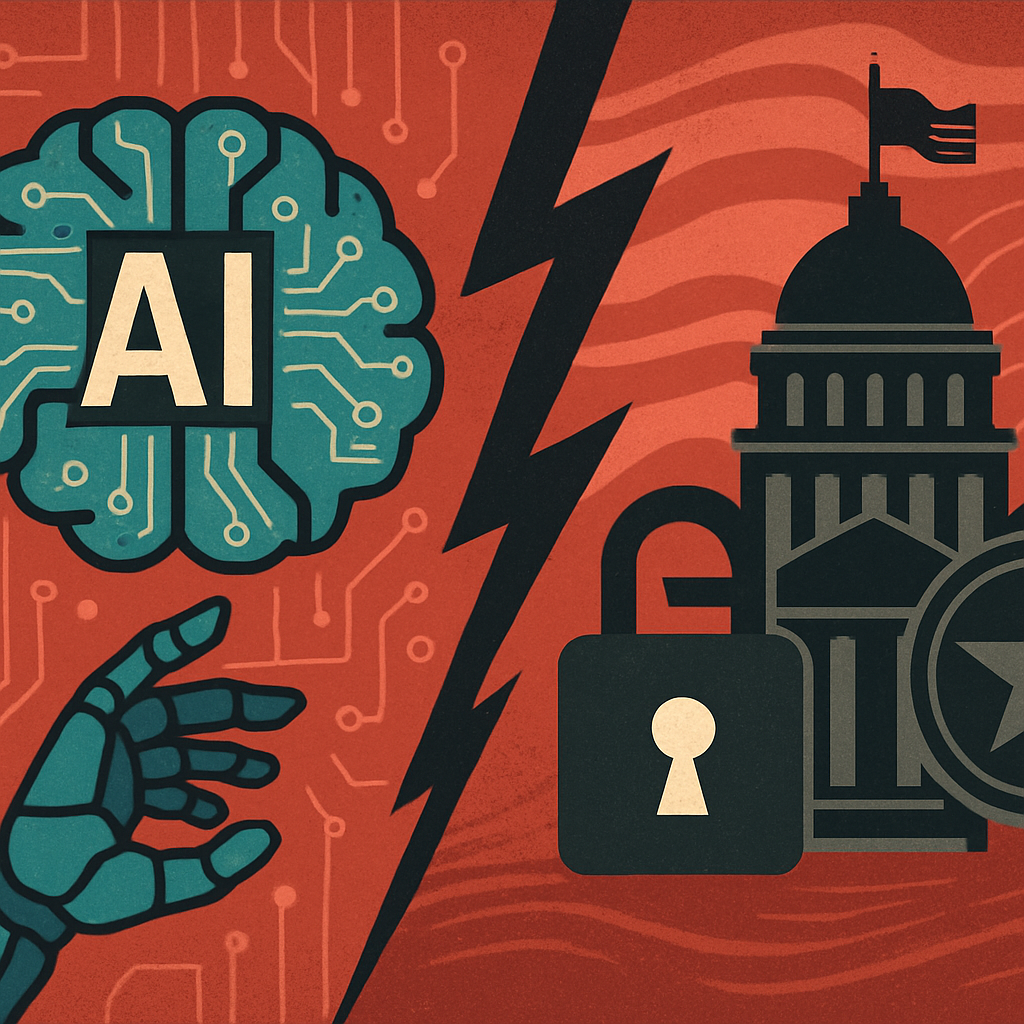
These developments underscore the growing tension between AI innovation and national security considerations. As AI technologies become increasingly sophisticated, the potential for misuse escalates, prompting governments to implement stricter regulations. The collaboration between tech industry leaders and government officials highlights the delicate balance between fostering technological advancement and ensuring security. Moving forward, it will be crucial for AI companies to engage proactively with regulatory bodies to navigate these challenges and establish frameworks that promote both innovation and safety.