WhatsApp has begun a broader rollout of its multi-account support feature for iPhone users, addressing a longstanding request for managing multiple accounts within a single app. This development allows users to seamlessly switch between different WhatsApp accounts on the same device without the need for workarounds or third-party applications.
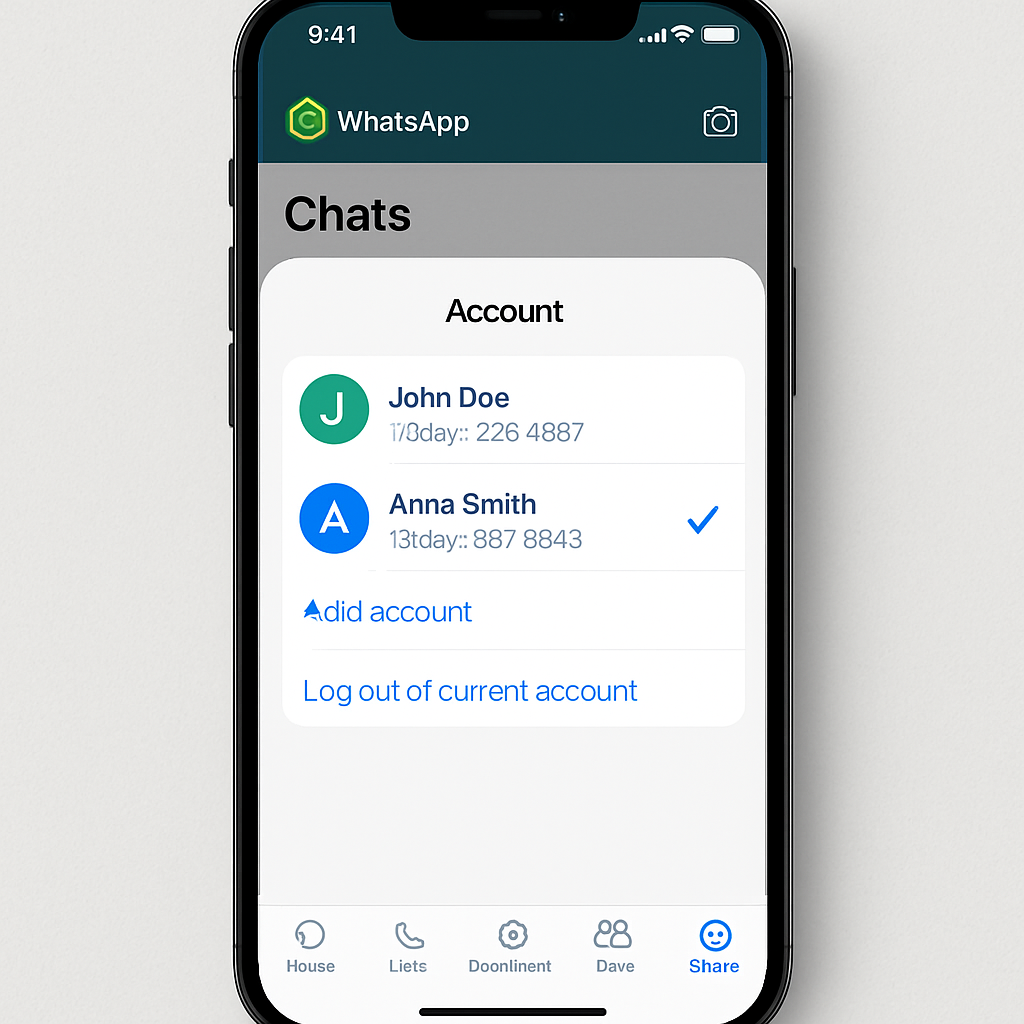
Initially introduced in a limited beta phase in November 2025, the multi-account feature is now becoming more widely available through the App Store version of WhatsApp. Users can determine if they have access to this functionality by navigating to Settings > Account and checking for an ‘Add account’ option. If present, they can add a new or existing account by following the standard registration process or by linking an existing account via QR code. Once set up, switching between accounts is managed directly from the Account menu.
Historically, iPhone users seeking to operate multiple WhatsApp accounts had to resort to using the WhatsApp Business app or other unofficial methods. The introduction of native multi-account support simplifies this process, enabling users to maintain separate personal and professional accounts within the same application.
It’s important to note that WhatsApp often employs phased rollouts for new features, meaning availability may vary among users. For instance, the app’s ‘Liquid Glass’ redesign took over seven months to reach a broader audience after its initial testing phase. Therefore, some users might experience delays in accessing the multi-account feature.
To check for the availability of this feature, users should update their WhatsApp application to the latest version via the App Store and follow the steps outlined above. This enhancement is expected to significantly improve user experience by providing greater flexibility and organization for those managing multiple accounts.
The expansion of multi-account support on iOS reflects WhatsApp’s commitment to enhancing user convenience and adapting to the evolving needs of its diverse user base. As the feature becomes more widely available, it will be interesting to observe how it influences user engagement and whether it prompts further innovations in account management within messaging platforms.