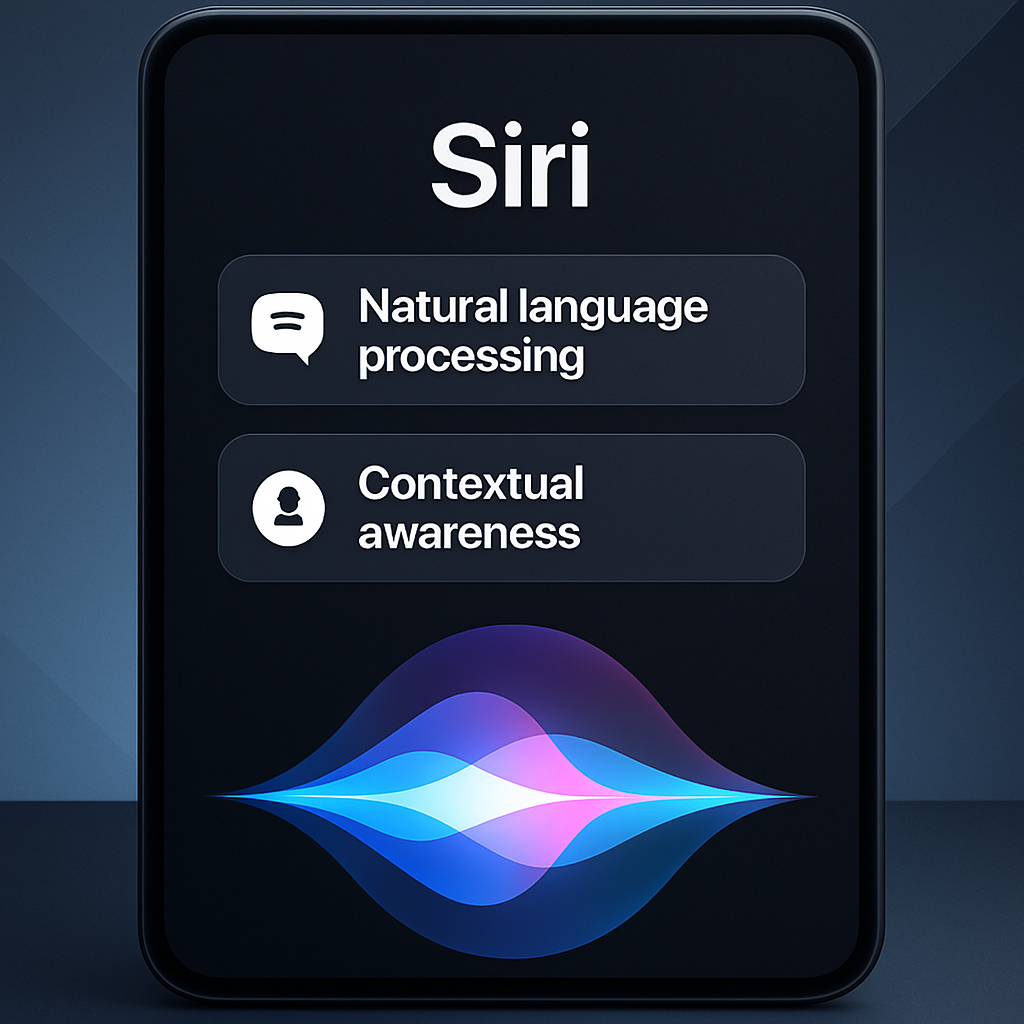
At the recent Worldwide Developers Conference (WWDC) 2026, Apple unveiled significant enhancements to Siri, introducing natural language processing, contextual awareness, and advanced in-app actions. These updates aim to streamline user interactions, making Siri more intuitive and efficient.
In a discussion on the Mostly Human podcast, Apple’s Senior Vice President of Software Engineering, Craig Federighi, and Senior Vice President of Worldwide Marketing, Greg Joswiak, elaborated on the company’s AI philosophy. Federighi emphasized that while AI has transformative potential, Apple is committed to integrating it in ways that are genuinely beneficial to users. He acknowledged the rapid pace of AI development and the uncertainties it brings, drawing parallels to the Industrial Revolution’s profound societal impacts.
Joswiak reinforced this perspective, stating that Apple’s focus is on leveraging AI to enhance product functionality rather than adopting it for its own sake. This approach is evident in features like the Messages app’s suggestion buttons, which allow users to add events to their calendars seamlessly, without the need for chatbot interactions.
Despite Siri’s new conversational capabilities, Federighi clarified that the assistant is designed to assist users efficiently without attempting to form personal connections. Unlike some AI systems that aim to engage users on a deeper level, Siri maintains a professional boundary, focusing solely on task completion.
Joswiak highlighted that Apple’s motivations differ from companies that prioritize user engagement to drive revenue. Instead, Apple aims to provide concise, helpful responses, allowing users to decide if they wish to continue the interaction.
Apple’s deliberate and user-centric approach to AI sets it apart in the tech industry. By focusing on practical applications that enhance user experience without overstepping boundaries, Apple demonstrates a commitment to responsible AI integration. This strategy not only respects user autonomy but also aligns with the company’s broader emphasis on privacy and security.