Apple is set to launch its inaugural foldable smartphone, the iPhone Ultra, this fall. This device introduces several groundbreaking features that distinguish it from previous iPhone models.
Innovative Design and Display
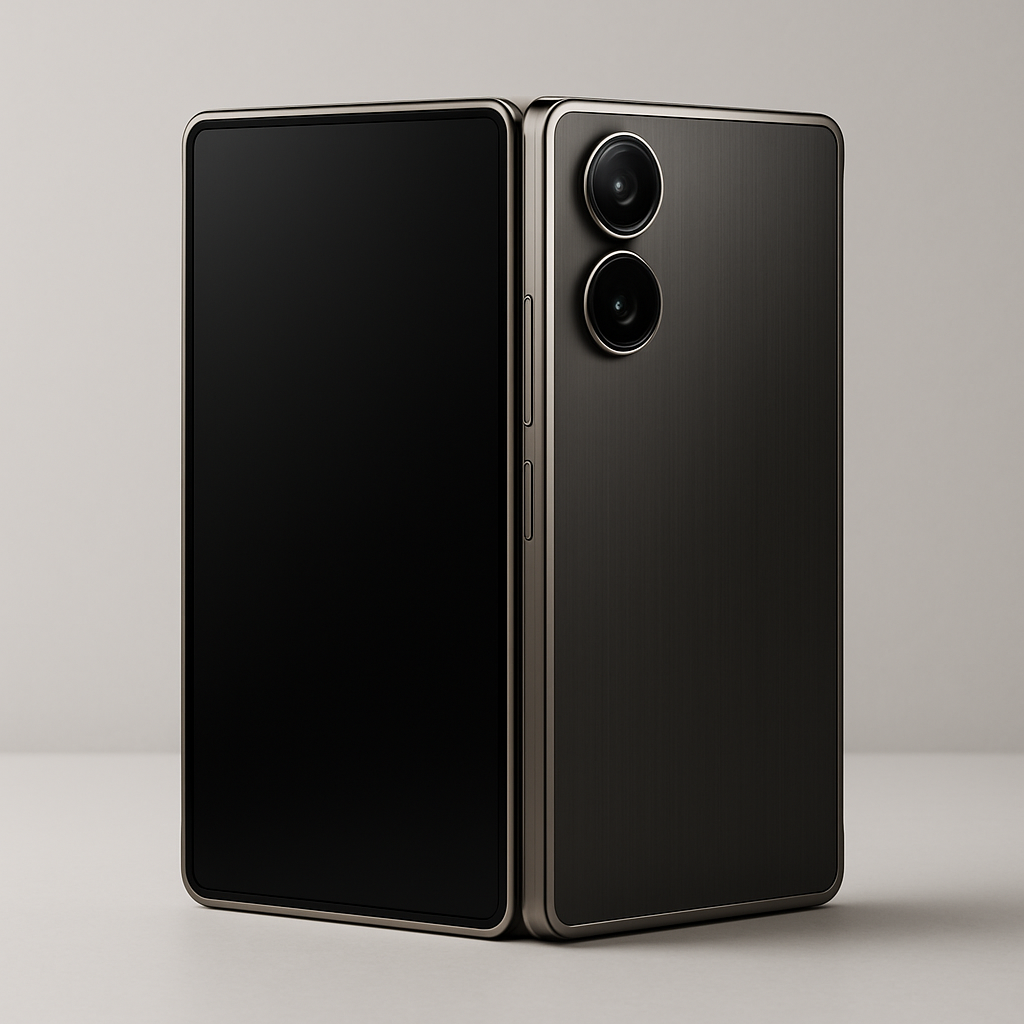
The iPhone Ultra adopts a unique book-style fold, resulting in a device that is wider than it is tall when unfolded. The outer display measures between 5.3 to 5.5 inches, while the inner display expands to approximately 7.6 to 7.8 inches, closely resembling the size and shape of an iPad mini. Notably, the inner screen is designed to be crease-free, addressing a common issue in existing foldable devices.
Constructed with a titanium border, the iPhone Ultra is ultra-thin when unfolded. When folded, it resembles two iPhone Airs stacked together but maintains a slimmer profile.
Camera Configuration
The device features a dual rear camera setup, comprising a 48MP Main lens and a 48MP Ultra Wide lens. Unlike the Pro models, the iPhone Ultra does not include a Telephoto lens, which means users will not have access to enhanced zoom capabilities. Additionally, the device is equipped with two front-facing cameras—one for each display—likely utilizing the 18MP Center Stage camera introduced with the iPhone 17.
Software Enhancements
Running on iOS 27, the iPhone Ultra offers exclusive multitasking features. Users can operate apps side by side and benefit from app layouts reminiscent of the iPad. While it doesn’t support the full windowing features of iPadOS 26, these enhancements aim to improve productivity on the foldable device.
Performance and Connectivity
Under the hood, the iPhone Ultra is powered by the new A20 Pro chip, built using a 2-nanometer process and incorporating Wafer-level Multi-Chip Module (WMCM) technology for improved efficiency. The device also includes the C2 cellular modem, marking Apple’s transition to in-house designed cellular solutions.
Touch ID Integration
In a departure from recent models, the iPhone Ultra reintroduces Touch ID, integrated into the power button. This decision stems from the device’s slim design, which couldn’t accommodate the necessary components for Face ID on both displays.
With a starting price rumored around $1,999 for the 256GB model, the iPhone Ultra positions itself as the most expensive iPhone to date. By combining the functionalities of an iPhone and an iPad into a single foldable device, Apple aims to justify this premium pricing.
The introduction of the iPhone Ultra signifies Apple’s commitment to innovation in the smartphone market. By addressing common issues found in existing foldable devices, such as display creases, and integrating advanced hardware and software features, Apple is poised to set a new standard for premium smartphones. Consumers and industry observers will be keenly watching how this device performs in the market and influences future smartphone designs.