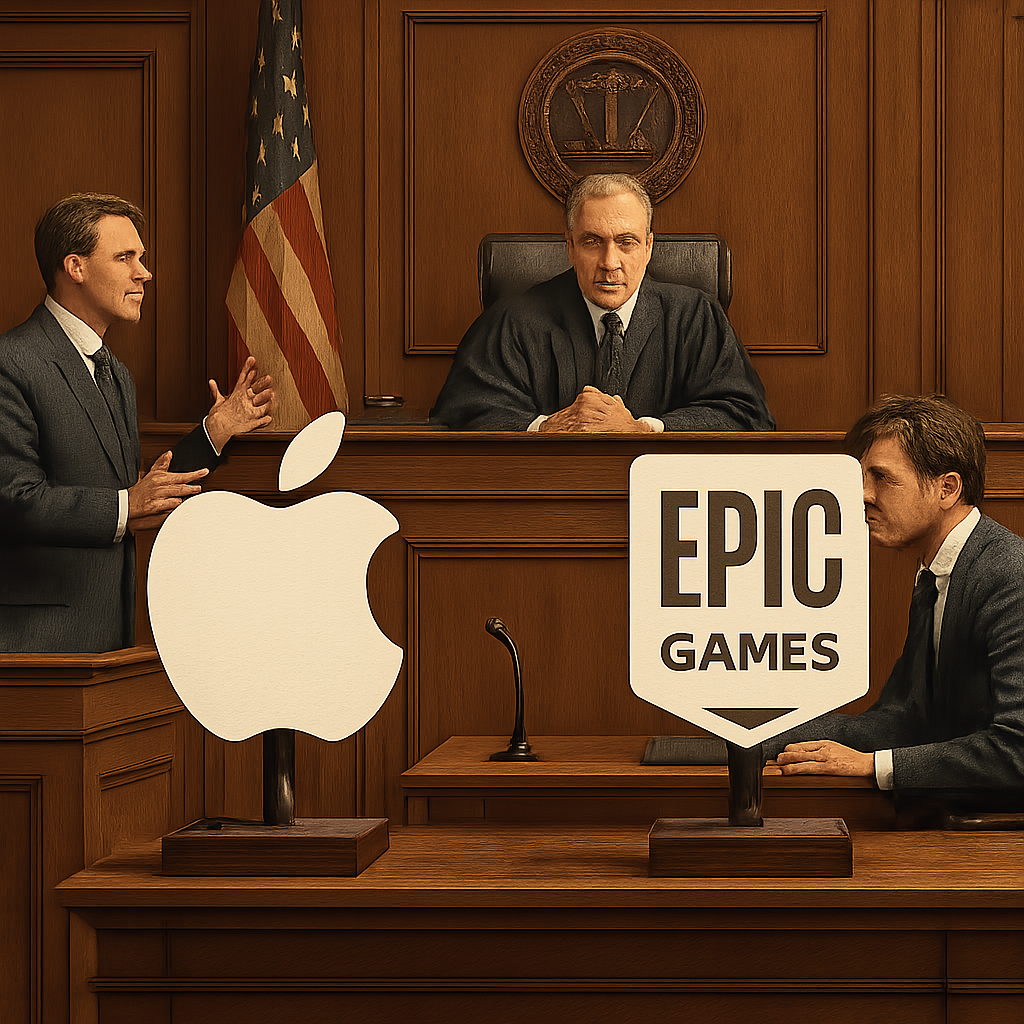
Apple has submitted a 12-page response to Epic Games’ recent attempt to have its Supreme Court petition dismissed, asserting that Epic’s filing “confirms the need for review.”
On June 4, 2026, Epic filed a 35-page opposition urging the Supreme Court to reject Apple’s appeal. In its response, Apple addresses two primary arguments presented by Epic.
Dispute Over Anti-Steering Injunction
Apple contends that Epic misrepresents the scope of the injunction against it. According to Apple, the order only restricted specific anti-steering practices and did not address App Store commissions. Apple argues that Epic’s framing attempts to rewrite the ruling rather than accurately describe it.
Interpretation of Supreme Court Precedent
The second dispute involves a 2025 Supreme Court precedent, “Trump v. CASA, Inc.” Epic claims that Apple is wrongly asserting an exemption from this ruling. Apple responds that the earlier decision explicitly states CASA “has no bearing” on antitrust cases, rendering Epic’s argument irrelevant.
This filing is the latest development in a legal battle that began in 2020 when Epic deliberately challenged Apple’s App Store payment rules. In 2021, Apple won most of the original case but lost on the anti-steering issue. Judge Yvonne Gonzalez Rogers ordered Apple to allow developers to link to external payment options. Apple complied but imposed a 27% commission on link-out transactions, leading to minimal adoption by developers.
In April 2025, Judge Gonzalez Rogers found Apple in willful violation and barred it from charging any commission on external links. She also accused Apple VP of finance Alex Roman of providing testimony “replete with misdirection and outright lies” regarding the timing of the 27% fee decision, referring both Roman and Apple to federal prosecutors for potential criminal contempt investigation. Apple subsequently dropped the link fees and appealed.
In December 2025, the Ninth Circuit agreed that Apple had violated the injunction but remanded the case to the district court to determine a reasonable commission rate. In May 2026, Apple petitioned the Supreme Court, questioning the propriety of the contempt finding and whether the injunction should apply to all developers nationwide rather than just Epic.
An attempt to pause fee proceedings during this process was later reversed after Epic challenged it. In May 2026, Fortnite returned to the App Store worldwide, with Epic CEO Tim Sweeney declaring the start of the “final battle” of the dispute.
As reported by MacRumors, this ongoing legal saga underscores the complexities of antitrust issues in the digital marketplace. The outcome of this case could have significant implications for app store policies and developer relations across the industry.
Source: MacRumors