Pentagon Identifies Alibaba, Baidu, BYD, and Unitree as Supporters of China’s Military
The United States Department of Defense has recently expanded its list of entities purportedly supporting the Chinese military, now including major corporations such as Alibaba, Baidu, electric vehicle manufacturer BYD, and robotics firm Unitree. This development is poised to intensify the already strained relations between the U.S. and China, potentially complicating business interactions between American companies and these Chinese entities.
Background on the 1260H List
The 1260H list derives its name from Section 1260H of the 2021 National Defense Authorization Act, which mandates the identification of companies allegedly linked to China’s military apparatus. Inclusion on this list can lead to significant restrictions, including prohibitions on U.S. investments and limitations on business engagements. The recent additions bring the total number of companies on the list to 188, reflecting the U.S. government’s ongoing efforts to address concerns over China’s military-civil fusion strategy.
Implications for U.S.-China Relations
The expansion of the 1260H list is likely to exacerbate tensions between the two nations. Historically, the U.S. has employed various measures to counter perceived threats from Chinese technological advancements, including imposing tariffs and export controls. For instance, in both of his terms, President Donald Trump implemented a 100% tax on imported Chinese electric vehicles as part of broader trade policies aimed at addressing trade imbalances and national security concerns.
Responses from the Affected Companies
The companies newly added to the list have expressed strong objections to their inclusion. Baidu stated, We categorically reject the inclusion of Baidu on the list, and there is no credible justification for adding Baidu to the list. The suggestion that Baidu is a military company is entirely baseless. We will not hesitate to use all options available to us to have the company removed from the list. Similarly, Alibaba asserted, Alibaba is not a Chinese military company nor part of any military-civil fusion strategy. We will take all available legal action against attempts to misrepresent our company.
Broader Context and Previous Additions
This recent update follows the addition of other major Chinese technology firms to the list. In January 2025, Tencent, known for its significant investments in U.S. startups, was designated as a Chinese military company by the Department of Defense. This designation raised concerns about the potential impact on Tencent’s U.S. investments and collaborations. The inclusion of companies like Tencent underscores the U.S. government’s broader strategy to scrutinize and potentially restrict Chinese entities perceived to have ties to military activities.
Impact on the Automotive and Robotics Sectors
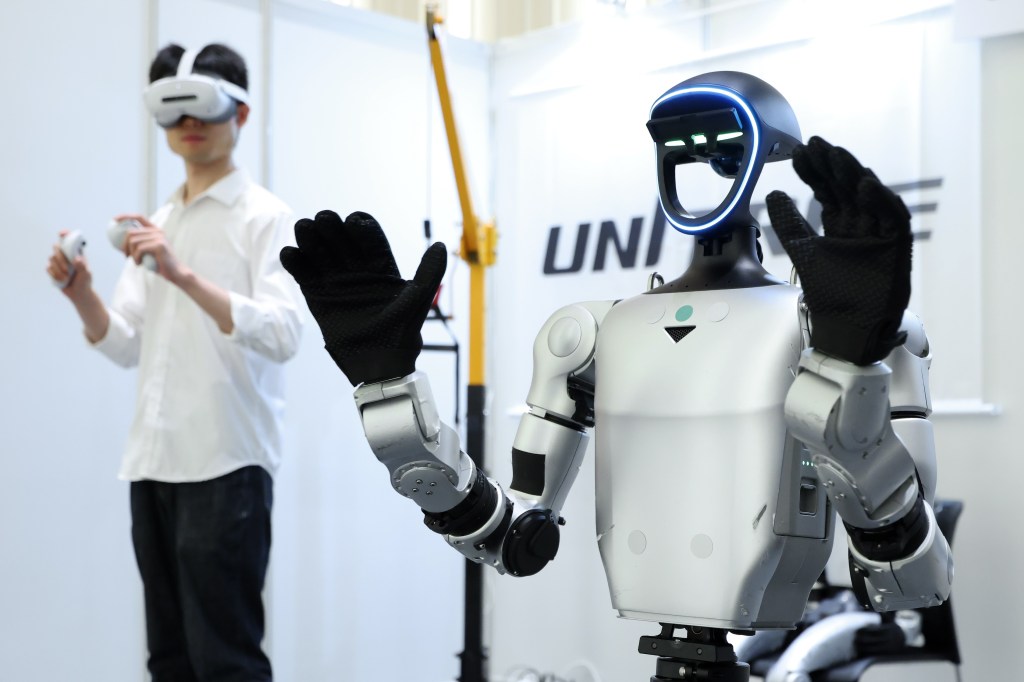
The inclusion of BYD, Nio, and other automotive industry players highlights the U.S. government’s focus on sectors critical to technological and military advancements. BYD, a leading electric vehicle manufacturer, and Nio, known for its innovative EV designs, are now under increased scrutiny. Additionally, the addition of robotics companies like Unitree and lidar sensor manufacturers such as RoboSense and Hesai reflects concerns over the dual-use nature of technologies in these fields.
Potential Consequences and Future Outlook
The expansion of the 1260H list may lead to several consequences:
– Business Restrictions: U.S. companies may face limitations or prohibitions when engaging in business with the listed Chinese entities, affecting supply chains and partnerships.
– Investment Challenges: U.S. investors might be restricted from investing in these companies, potentially impacting their financial performance and growth prospects.
– Legal Actions: The affected companies may pursue legal avenues to contest their inclusion on the list, leading to prolonged legal battles and further diplomatic tensions.
As the situation develops, it remains to be seen how these designations will influence U.S.-China relations and the global technology landscape. Both nations may need to navigate these challenges carefully to avoid escalating conflicts and to foster a more stable international business environment.