macOS 27: Fulfilling Longtime Mac Users’ Top Wishes
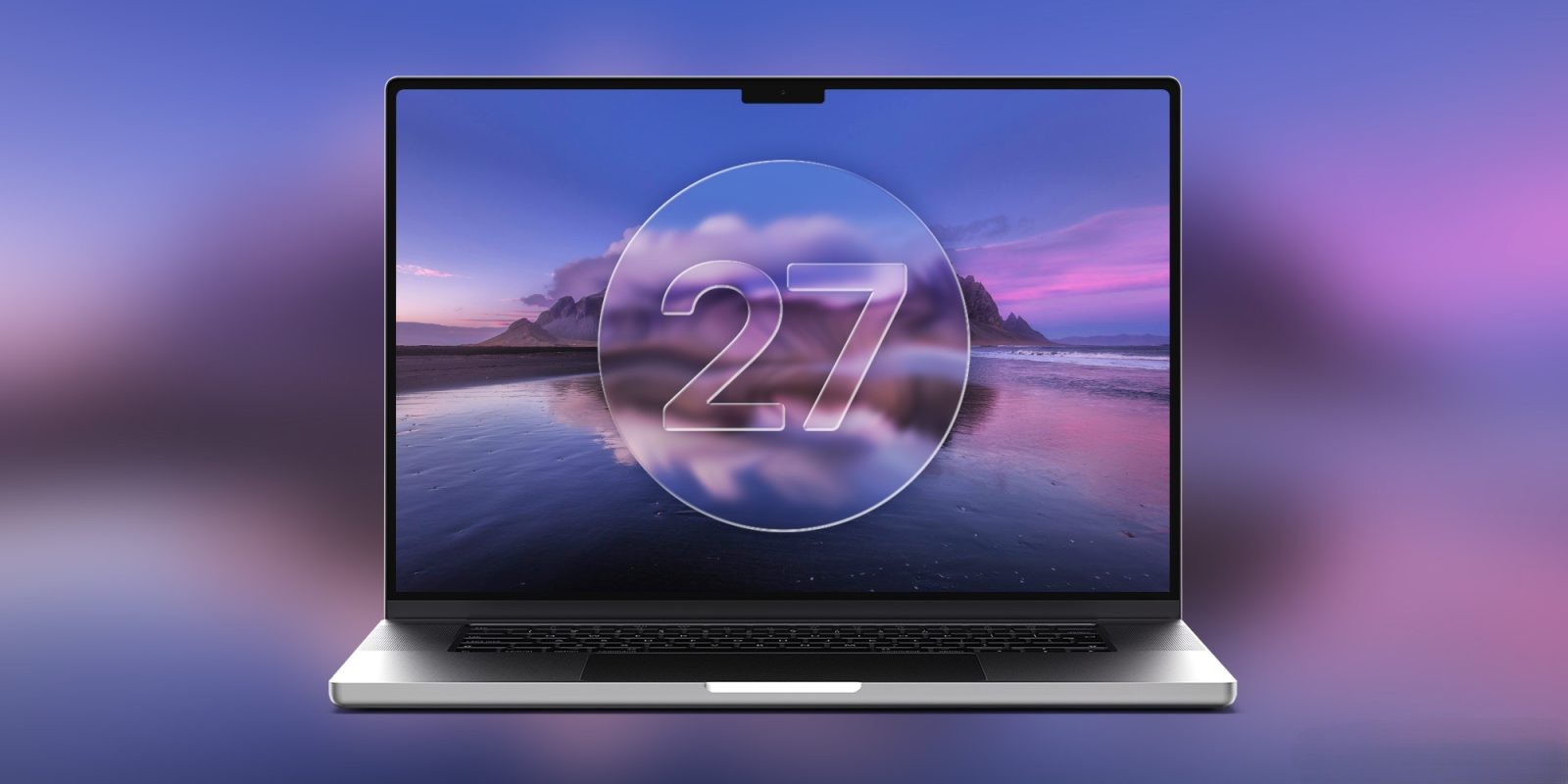
Apple’s upcoming macOS 27 is poised to address two significant desires of longtime Mac users: a renewed emphasis on software quality reminiscent of the Snow Leopard era and refinements to the Liquid Glass interface.
A Return to Snow Leopard’s Focus on Quality
In 2009, Apple released Mac OS X Snow Leopard, an update celebrated for its focus on performance enhancements and stability rather than introducing a plethora of new features. This approach resonated with users who valued a reliable and efficient operating system.
Recent reports suggest that macOS 27 will adopt a similar philosophy. According to Bloomberg’s Mark Gurman, Apple is prioritizing improving the software’s quality and underlying performance, aiming to make Macs with Apple-designed chips feel faster and more responsive. This strategy is expected to result in a more stable and efficient user experience, addressing concerns about software reliability that have emerged in recent years.
Refinements to the Liquid Glass Interface
The introduction of the Liquid Glass design in macOS Tahoe brought a fresh aesthetic to the Mac interface. However, some users found the transparency and shadow effects to be less effective on larger Mac screens compared to their performance on iPhones and iPads.
In response, Apple is reportedly making subtle adjustments to the Liquid Glass design in macOS 27. These refinements aim to enhance readability and usability by fine-tuning transparency levels and shadow effects. While not a complete overhaul, these changes are expected to provide a more polished and user-friendly interface.
Additional Enhancements in macOS 27
Beyond these two major areas, macOS 27 is anticipated to introduce several other improvements:
– Siri Enhancements: A more intelligent and capable Siri is expected, with features that could include a standalone app allowing for both voice and text interactions, maintaining a history of past chats, and initiating new conversations with suggested prompts. ([mac.install.guide](https://mac.install.guide/macos/macos27?utm_source=openai))
– Photos App Upgrades: The Photos app is set to gain new AI-powered editing tools, such as Extend, Enhance, and Reframe, which will assist users in expanding image content, automatically adjusting color and lighting, and changing perspectives in spatial photos. ([macrumors.com](https://www.macrumors.com/roundup/macos-27/?utm_source=openai))
– Accessibility Features: New accessibility options are on the horizon, including support for the Sony Access controller, generated subtitles using on-device speech recognition, and an enhanced Accessibility Reader capable of handling complex document layouts. ([macrumors.com](https://www.macrumors.com/roundup/macos-27/?utm_source=openai))
Compatibility and Transition to Apple Silicon
A significant shift with macOS 27 is its exclusive support for Apple silicon Macs, marking the end of compatibility with Intel-based models. This transition underscores Apple’s commitment to its in-house chip technology and is expected to optimize performance and efficiency across the Mac lineup. ([macrumors.com](https://www.macrumors.com/2026/06/03/macos-27-wont-run-on-these-macs/?utm_source=openai))
Conclusion
macOS 27 appears to be a thoughtful update that addresses longstanding user requests for improved software quality and interface refinements. By focusing on performance enhancements and subtle design tweaks, Apple aims to deliver a more stable and user-friendly experience for Mac users. The anticipated unveiling at WWDC 2026 will provide a comprehensive look at these updates and set the stage for their implementation in the coming months.