iFixit Unveils the Truth Behind Counterfeit Apple Watch Ultra 3, AirPods Max 2, and AirPods Pro 3
In a recent exploration of Shenzhen’s Huaqiangbei district, renowned for its vast electronics markets, iFixit procured counterfeit versions of Apple’s latest devices: the Apple Watch Ultra 3, AirPods Max 2, and AirPods Pro 3. Their subsequent teardown reveals the stark contrasts between these imitations and genuine Apple products, highlighting significant disparities in design, functionality, and build quality.
Counterfeit Apple Watch Ultra 3: A Superficial Resemblance
At first glance, the fake Apple Watch Ultra 3 mirrors the authentic model’s design. However, upon closer inspection, several discrepancies emerge:
– User Interface Anomalies: Activating the watch reveals a flawed operating system. Tapping on any app icon triggers Night Mode, tinting the display red, instead of launching the intended application.
– Inferior Taptic Feedback: The haptic feedback lacks the precision and responsiveness characteristic of Apple’s Taptic Engine, resulting in a subpar user experience.
– Deceptive Sensor Design: The back of the watch features painted-on sensors, with only the heart rate sensor being functional. This contrasts sharply with the genuine model’s array of operational health sensors.
– Substandard Materials: The casing is constructed from plastic rather than the premium ceramic or sapphire used in authentic models, compromising durability and aesthetic appeal.
– Battery Concerns: Internally, a loosely placed 260 mAh battery—less than half the capacity of the genuine version—is soldered directly to the main board, raising safety and longevity issues.
Counterfeit AirPods Max 2: A Facade of Quality
The imitation AirPods Max 2 attempt to replicate the premium feel of Apple’s over-ear headphones but fall short in several areas:
– Material Discrepancies: The use of plastic instead of aluminum for the ear cups and headband results in a less sturdy and luxurious feel.
– Comfort Compromises: Ear cushions are overly soft, lacking the supportive comfort provided by the genuine memory foam pads.
– Functional Limitations: Essential features like Active Noise Cancellation and Transparency Mode are absent, significantly diminishing the listening experience.
– Deceptive Pairing Process: While the counterfeit headphones mimic Apple’s pairing animations, they fail to deliver the seamless connectivity and integration of the authentic product.
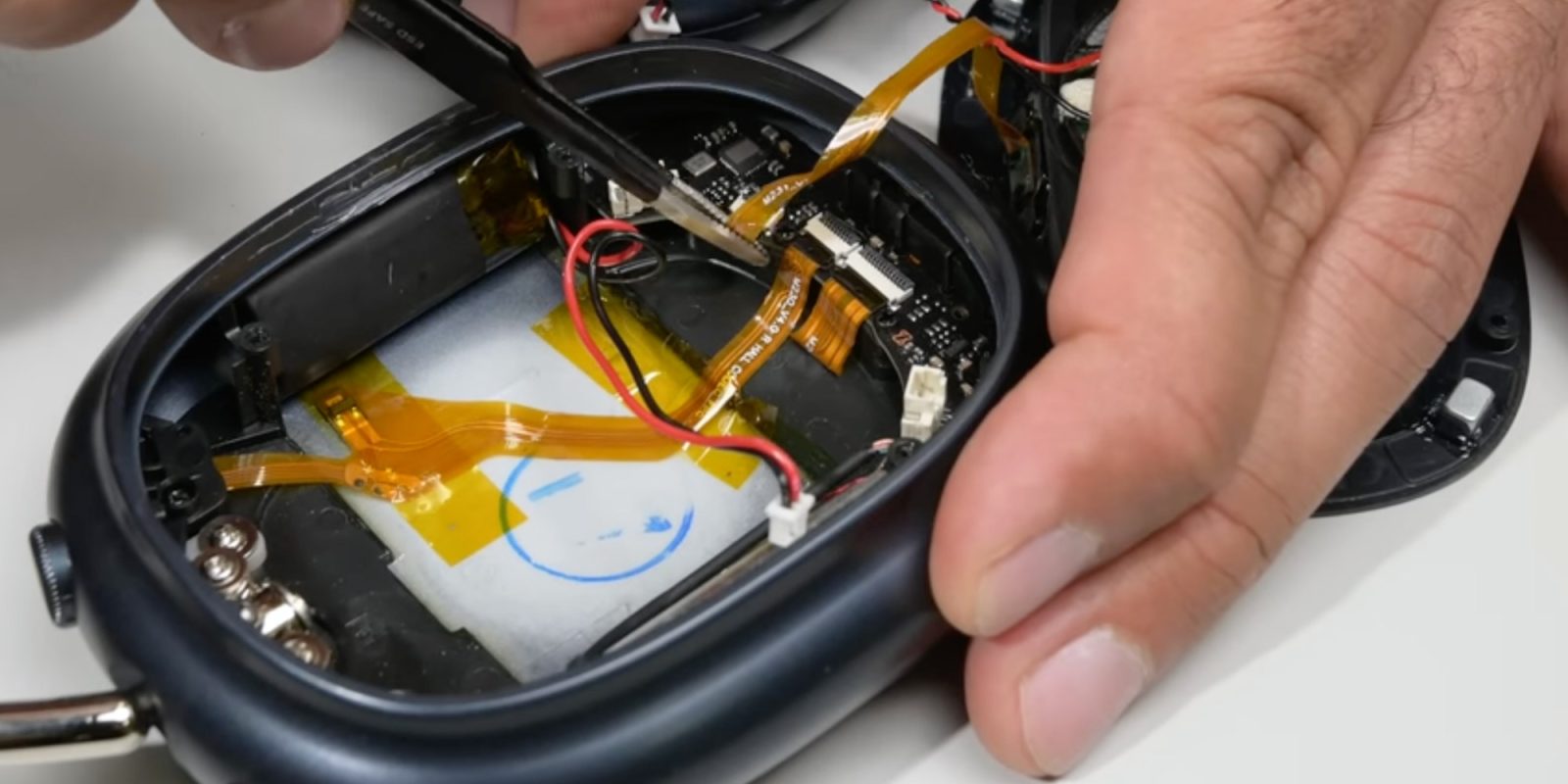
– Internal Shortcomings: The teardown reveals poorly soldered cables prone to disconnection and the inclusion of metal weights designed solely to mimic the heft of the genuine headphones, rather than contributing to functionality.
Counterfeit AirPods Pro 3: A Closer Counterfeit
Among the three, the fake AirPods Pro 3 bear the closest resemblance to their authentic counterparts, yet critical flaws are evident:
– Structural Weaknesses: Attempting to remove the silicone ear tips results in detaching the entire front piece of the earbuds, exposing fragile internal components and indicating poor assembly quality.
– Adhesive Overuse: The ear tips are glued to the earbuds, complicating maintenance and replacement, unlike the easily removable tips of genuine AirPods Pro.
– Internal Component Inferiority: CT scans reveal the absence of MEMS microphones, the presence of low-quality drivers, and a rudimentary construction, all contributing to inferior audio performance.
The Broader Implications of Counterfeit Electronics
The proliferation of counterfeit electronics poses significant risks to consumers and the industry:
– Safety Hazards: Inferior materials and construction can lead to device malfunctions, overheating, or even explosions, endangering users.
– Compromised User Experience: Lack of essential features and poor performance result in dissatisfaction and potential harm to brand reputation.
– Economic Impact: Counterfeit products undermine legitimate sales, affecting the revenue and innovation capacity of authentic manufacturers.
– Environmental Concerns: Substandard devices often have shorter lifespans, contributing to increased electronic waste and environmental degradation.
Identifying and Avoiding Counterfeit Products
To protect oneself from counterfeit electronics, consumers should:
– Purchase from Authorized Retailers: Ensure authenticity by buying directly from official stores or certified sellers.
– Verify Product Details: Check for inconsistencies in packaging, build quality, and functionality that may indicate a counterfeit.
– Be Wary of Unbelievable Deals: Prices significantly lower than market value are often a red flag for counterfeit goods.
– Research and Reviews: Consult official product specifications and customer reviews to familiarize oneself with the genuine product’s features and quality.
Conclusion
iFixit’s teardown of counterfeit Apple devices underscores the importance of vigilance in the electronics market. While these fakes may superficially resemble genuine products, their inferior quality and potential risks highlight the necessity for consumers to remain informed and cautious. By prioritizing authenticity and quality, consumers can ensure a safer and more satisfying technology experience.