Googlebook: A New Era in Laptops Tailored for the Mobile-First Generation
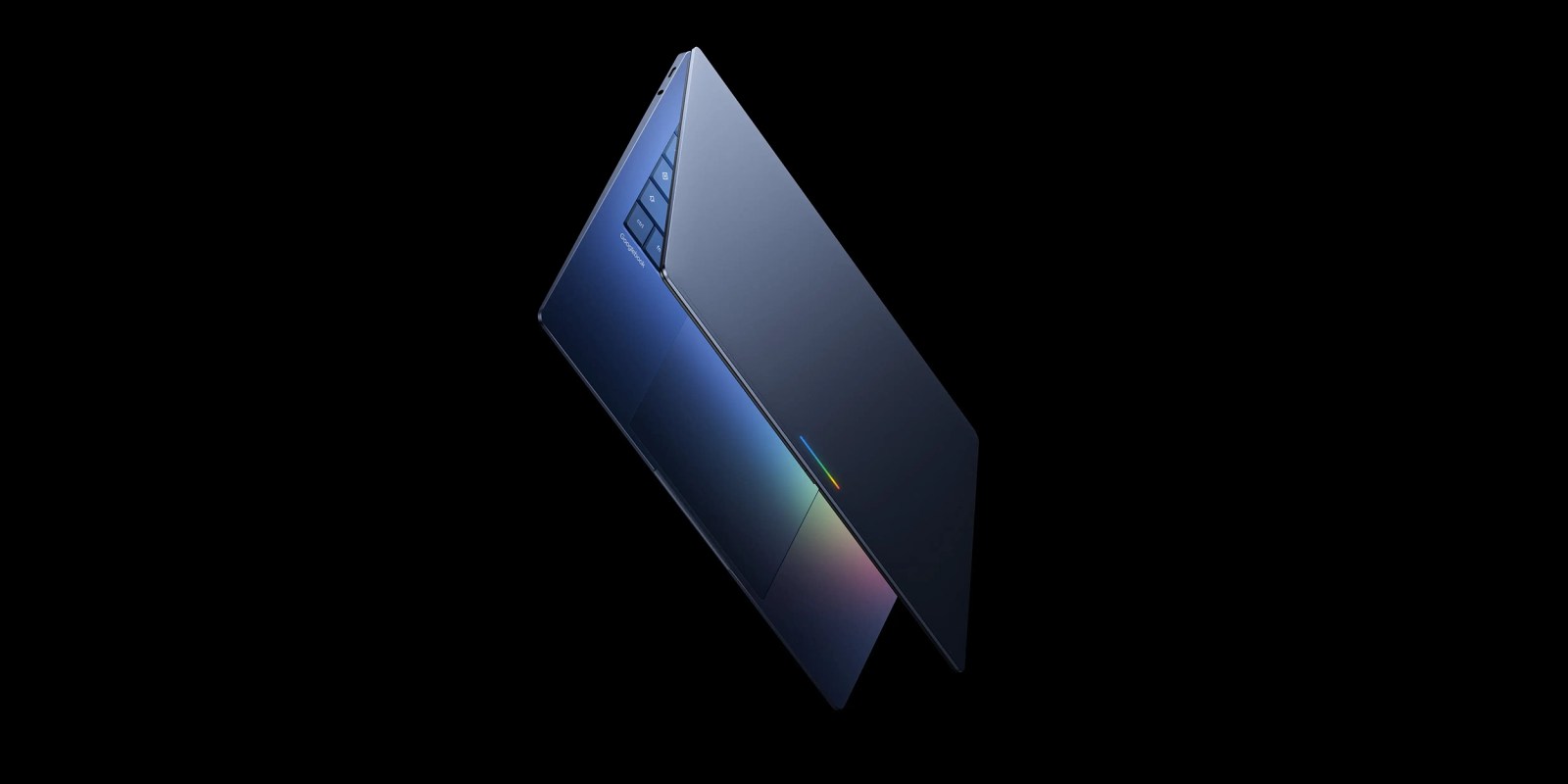
In the rapidly evolving landscape of personal computing, Google’s introduction of the Googlebook marks a significant shift towards integrating mobile-centric experiences into the laptop domain. This initiative aims to cater to a generation that has grown up in a mobile-first world, offering a device that seamlessly bridges the gap between smartphones and traditional laptops.
Understanding the Googlebook Initiative
Announced at The Android Show in May 2026, the Googlebook represents a fusion of Android and ChromeOS, designed to deliver a cohesive and intuitive user experience. Central to this new category of laptops is the integration of Gemini Intelligence, an AI-driven feature set that provides proactive assistance tailored to user needs. One standout feature is the Magic Pointer, which allows users to interact with on-screen content through intuitive gestures, enhancing productivity and engagement. ([9to5google.com](https://9to5google.com/2026/05/12/googlebooks-announcement/?utm_source=openai))
Addressing Initial Skepticism
The unveiling of the Googlebook has elicited a spectrum of reactions. Some industry observers have expressed reservations about Google’s foray into the laptop market, questioning the necessity and viability of such a product. Critics argue that the initial presentation lacked compelling reasons for the Googlebook’s existence, especially when compared to established platforms like ChromeOS. Concerns have been raised about the potential redundancy of introducing a new operating system that might not offer substantial advantages over existing solutions. ([9to5google.com](https://9to5google.com/2026/05/17/google-hasnt-shown-any-reason-for-googlebook-laptops-to-exist-so-why-should-we-be-excited/?utm_source=openai))
Reevaluating the Target Audience
Upon closer examination, it becomes evident that the Googlebook is not designed to replace traditional laptops for all users. Instead, it targets a specific demographic: individuals who have grown up in a mobile-centric environment and are more comfortable with Android’s ecosystem. This approach acknowledges that not every product needs to cater to every user. By focusing on the preferences and habits of the mobile-first generation, Google aims to provide a device that feels familiar and intuitive to this audience. ([9to5google.com](https://9to5google.com/2026/06/04/the-googlebook-might-not-be-for-you-and-thats-okay-video/?utm_source=openai))
Bridging the Mobile-Desktop Divide
The Googlebook’s design philosophy centers on merging the best aspects of mobile and desktop experiences. By leveraging Android’s widespread familiarity and integrating it into a laptop form factor, Google seeks to create a device that offers the versatility of a laptop with the user-friendly interface of a smartphone. This strategy is particularly appealing to users who rely heavily on mobile applications and services but require the functionality of a larger screen and physical keyboard for certain tasks.
Hardware and Performance Considerations
Initial reports suggest that the first wave of Googlebook devices will feature a range of hardware configurations, including processors from Intel, MediaTek, and Qualcomm’s Snapdragon series. This diversity indicates a commitment to providing options that cater to various performance needs and price points. However, the success of the Googlebook will heavily depend on its ability to deliver a seamless and responsive user experience, which requires careful optimization of both hardware and software components. ([9to5google.com](https://9to5google.com/2026/06/04/googlebook-devices-intel-snapdragon-mediatek/?utm_source=openai))
The Role of AI and Customization
A key differentiator for the Googlebook is its integration of AI capabilities through Gemini Intelligence. Features like Create My Widget allow users to generate custom widgets that display personalized information directly on the desktop, enhancing productivity and personalization. These AI-driven features aim to provide users with proactive assistance, streamlining workflows and adapting to individual preferences over time. ([9to5google.com](https://9to5google.com/2026/05/12/googlebooks-announcement/?utm_source=openai))
Implications for Existing Chromebook Users
For current Chromebook users, Google’s introduction of the Googlebook raises questions about the future of ChromeOS. Google has addressed these concerns by affirming its continued commitment to supporting Chromebooks, ensuring that they will receive updates and support throughout their existing lifespans. Additionally, many Chromebooks will have the option to transition to the new Googlebook experience, providing flexibility for users who wish to adopt the new platform. ([9to5google.com](https://9to5google.com/2026/05/13/google-on-its-continued-commitment-to-chromebooks-after-googlebook/?utm_source=openai))
Conclusion
The Googlebook represents a bold step by Google to redefine the laptop experience for a generation that prioritizes mobile-first interactions. While it may not appeal to all users, its focus on integrating Android’s familiarity with the functionality of a laptop positions it as a compelling option for those seeking a device that aligns with their digital habits. As the product evolves and more details emerge, it will be interesting to see how the Googlebook influences the broader landscape of personal computing.