Maryland Governor Supports Apple Towson Workers Amid Store Closure Controversy
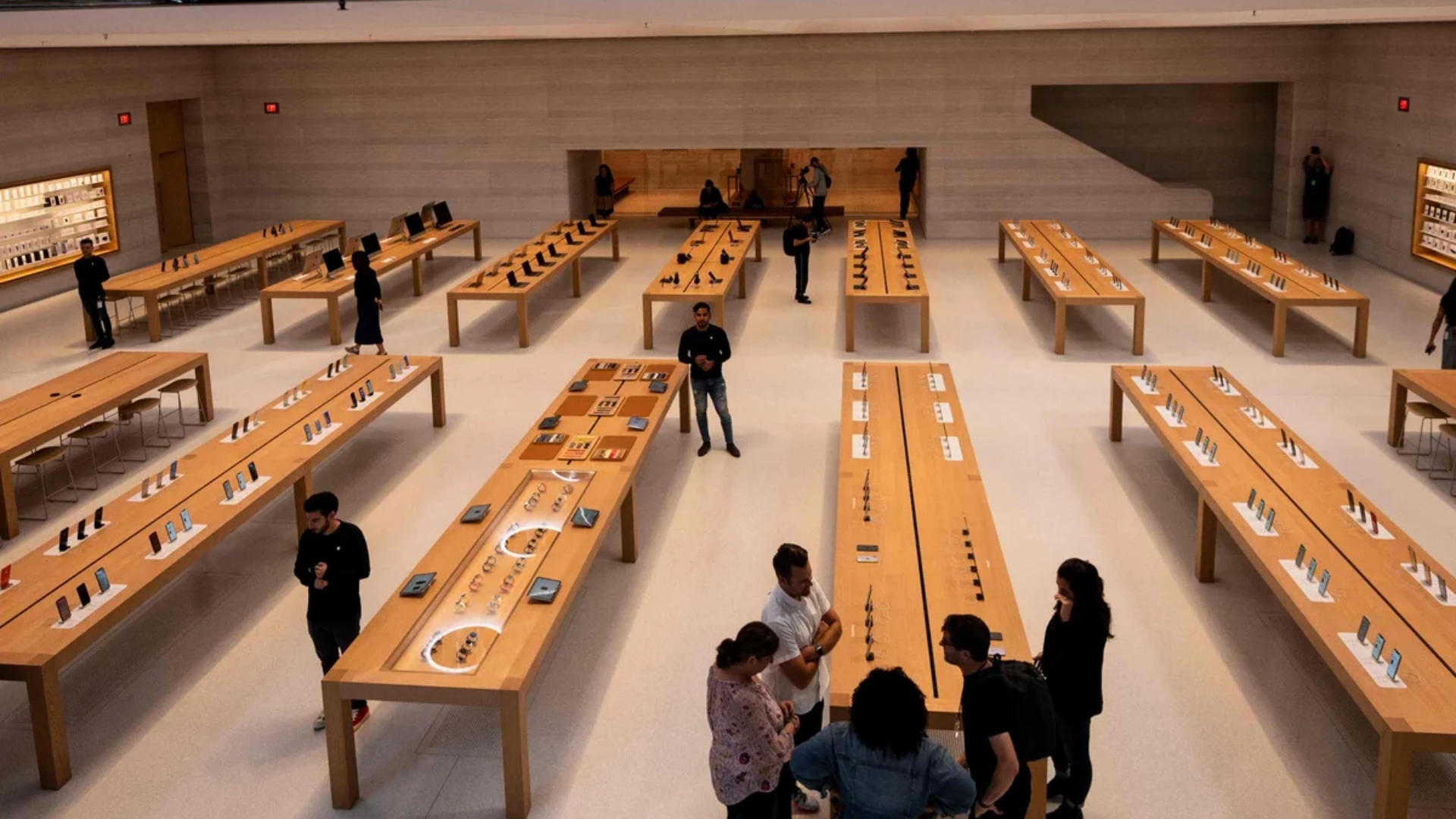
In a significant development, Maryland Governor Wes Moore has publicly expressed his support for the employees of Apple’s Towson Town Center store, which is slated for closure on June 20, 2026. This store holds the distinction of being the first Apple retail location in the United States to unionize, having done so in 2022.
Background of the Closure
Earlier this year, Apple announced the impending closure of three of its retail stores: Towson Town Center in Maryland, North County in Escondido, California, and Trumbull in Trumbull, Connecticut. The company cited declining mall conditions and the departure of several retailers as reasons for these closures. However, the decision to close the Towson store has sparked significant controversy due to its unionized status.
Governor Moore’s Statement
Governor Moore highlighted the Towson store’s vital role in the local economy, emphasizing its contribution to job creation, business activity, and customer service in the region. He commended the employees for demonstrating that robust business performance and worker representation can coexist effectively.
The governor urged Apple to offer Towson employees the same transfer opportunities that are available to workers at non-unionized stores. While he stopped short of directly accusing Apple of anti-union practices, his statement adds to the mounting pressure on the company as the closure date approaches.
Union’s Response and Legal Actions
The International Association of Machinists and Aerospace Workers (IAM Union), representing the Towson employees, has been vocal in its criticism of Apple’s handling of the closure. The union contends that the affected employees should be granted broader relocation options, rather than being constrained by the terms of the existing labor agreement.
In April, the IAM Union filed an unfair labor practice charge with the National Labor Relations Board (NLRB), alleging that Apple unlawfully discriminated against unionized workers by denying them the ability to transfer easily to other locations. The union argues that this treatment deviates from Apple’s typical practice in similar situations.
Apple’s Position
Apple has maintained that it is adhering to the agreement negotiated with the union. Following the IAM Union’s legal action, the company stated that it strongly disagrees with the allegations and intends to present its case to the NLRB. Apple asserts that the current collective bargaining agreement stipulates that in the event of a store closure, employees are only guaranteed a transfer or rehire if a new location opens within a 50-mile radius of the Towson store. Outside of this specific scenario, the union negotiated for severance packages rather than automatic transfers to existing stores.
Political and Community Support
Governor Moore’s support is part of a broader wave of political and community backing for the Towson employees. Several Maryland lawmakers and dozens of members of Congress have urged Apple to reconsider the closure or to expand transfer opportunities for the affected workers. The union has welcomed this support and continues to call on Apple to take action before the store’s scheduled closure.
Protests and Public Demonstrations
In late May, the IAM Union, along with elected officials, labor allies, and community leaders, held a public solidarity rally to demand accountability from Apple and support for the nearly 90 IAM Local 4538 members facing job loss due to the store’s closure. The protest took place outside the County Courthouse, drawing attention to the ongoing dispute and garnering media coverage.
Implications for Labor Relations
The situation at the Towson store has broader implications for labor relations within Apple and the tech industry at large. The closure of the first unionized Apple retail store and the subsequent disputes over employee transfers and severance packages highlight the challenges and complexities of unionization efforts in the tech sector.
As the closure date approaches, all eyes are on Apple to see how the company will navigate this contentious issue. The outcome could set a precedent for how tech companies handle unionized workforces and store closures in the future.
Conclusion
The closure of Apple’s Towson Town Center store has become a focal point for discussions on labor rights, corporate responsibility, and the balance between business decisions and employee welfare. With support from Governor Wes Moore and other political figures, the Towson employees continue to advocate for fair treatment and equitable opportunities as they face the impending closure of their store.