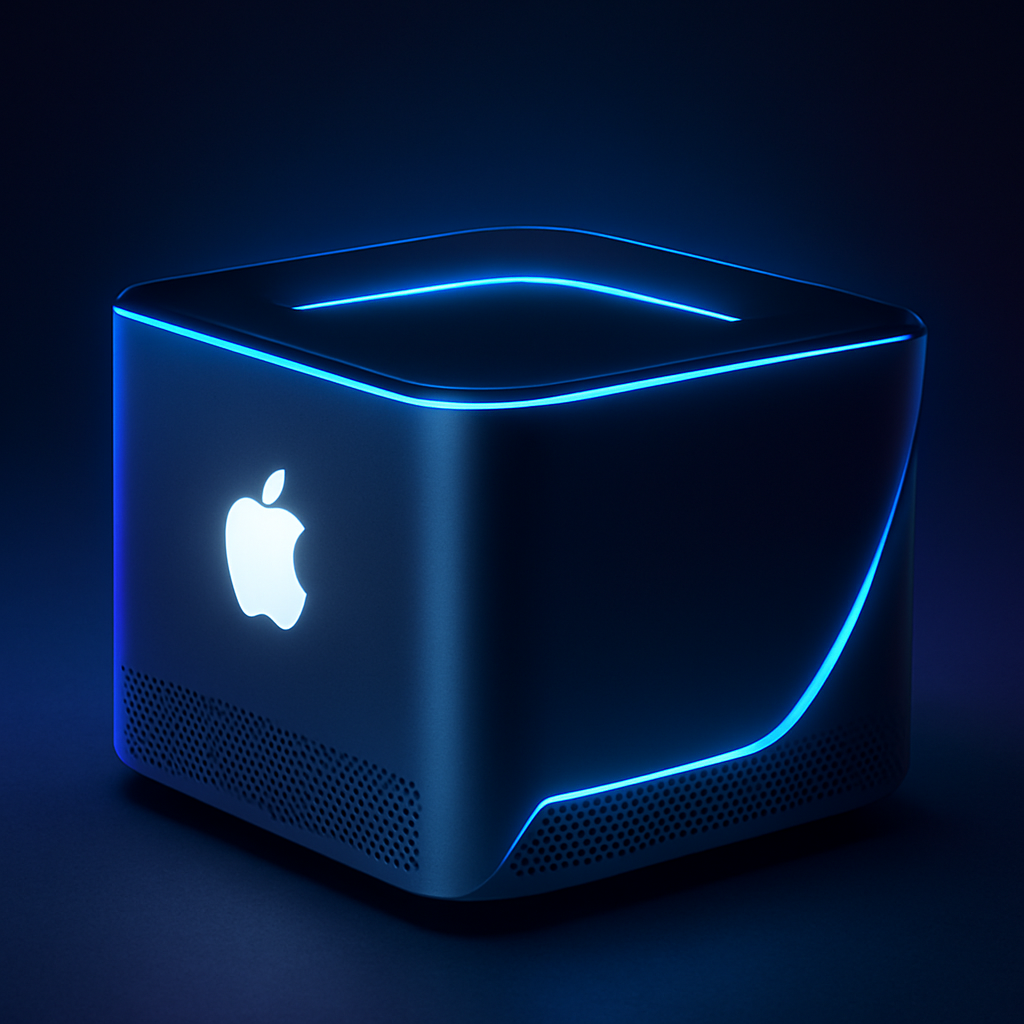
Unveiling macOS 27: Clues Point to ‘Big Bear’ as the Next Name
As the tech community eagerly anticipates Apple’s Worldwide Developers Conference (WWDC) 2026, speculation is mounting about the official name for macOS 27. Recent observations suggest that Apple may have inadvertently revealed the upcoming moniker through subtle hints in its promotional materials.
Decoding the Clue
Apple’s tradition of naming its macOS versions after notable Californian landmarks has been a consistent theme since 2013. From Mavericks to Ventura, each name reflects a unique aspect of California’s diverse geography. This year, keen-eyed observers have identified a potential hint embedded within Apple’s social media promotions for WWDC 2026.
Designer Andreas Storm highlighted a particular detail in a post on X (formerly Twitter). He noted that the hashmoji—a small icon appearing next to specific hashtags like #WWDC26—features a glowing Apple logo. More intriguingly, the filename for this image is labeled Project_Big_Bear_2026_Hashmoji_only.png. This discovery has led to widespread speculation that Big Bear could be the chosen name for macOS 27.
The Significance of Big Bear
Big Bear Lake is a renowned destination in Southern California, nestled within the San Bernardino Mountains. Known for its picturesque landscapes and recreational activities, it aligns seamlessly with Apple’s pattern of selecting iconic Californian locations for its operating system names. The choice of Big Bear would continue this tradition, celebrating another facet of the state’s natural beauty.
A Pattern of Subtle Revelations
This isn’t the first instance where Apple has seemingly left breadcrumbs leading to the name of its upcoming macOS release. In previous years, similar subtle hints have been identified, suggesting that these leaks might be intentional teasers designed to generate buzz and engagement within the tech community.
Alternative Possibilities
While Big Bear appears to be a strong contender, it’s essential to consider other potential names that fit Apple’s naming convention. California boasts numerous notable locations that could serve as inspiration, such as Redwood, Mono, Shasta, Almanor, Donner, Oroville, and Tulare. Each of these names carries its own unique significance and could be potential candidates for future macOS versions.
Beyond the Name: Anticipated Features of macOS 27
Beyond the name, macOS 27 is expected to introduce several significant updates and changes:
1. Enhanced Apple Intelligence Integration: Building upon previous iterations, macOS 27 is anticipated to feature a more advanced Siri, leveraging a new Apple Foundation Model trained with Google’s Gemini. This evolution aims to provide a more conversational and context-aware user experience.
2. End of Intel Support: Apple has announced that macOS 27 will be the final version to fully support Intel-based Macs. This move signifies a complete transition to Apple Silicon, emphasizing the company’s commitment to its proprietary hardware.
3. Rosetta 2 Phase-Out: With the discontinuation of Intel support, Rosetta 2—a translation layer that allowed Intel-based applications to run on Apple Silicon—will also be phased out. Users relying on Intel-only applications are advised to seek native Apple Silicon alternatives or consider upgrading their hardware.
4. Design Refinements: Following the introduction of the Liquid Glass design in macOS Tahoe, macOS 27 is expected to bring further refinements based on user feedback, enhancing readability and user interface consistency.
Conclusion
While the official announcement is still pending, the evidence pointing towards Big Bear as the name for macOS 27 is compelling. Apple’s history of embedding subtle hints in its promotional materials adds weight to this speculation. As WWDC 2026 approaches, the tech community remains on high alert for any additional clues or official confirmations.