Microsoft’s Bold Leap: Transitioning from Traditional Software to AI Agents
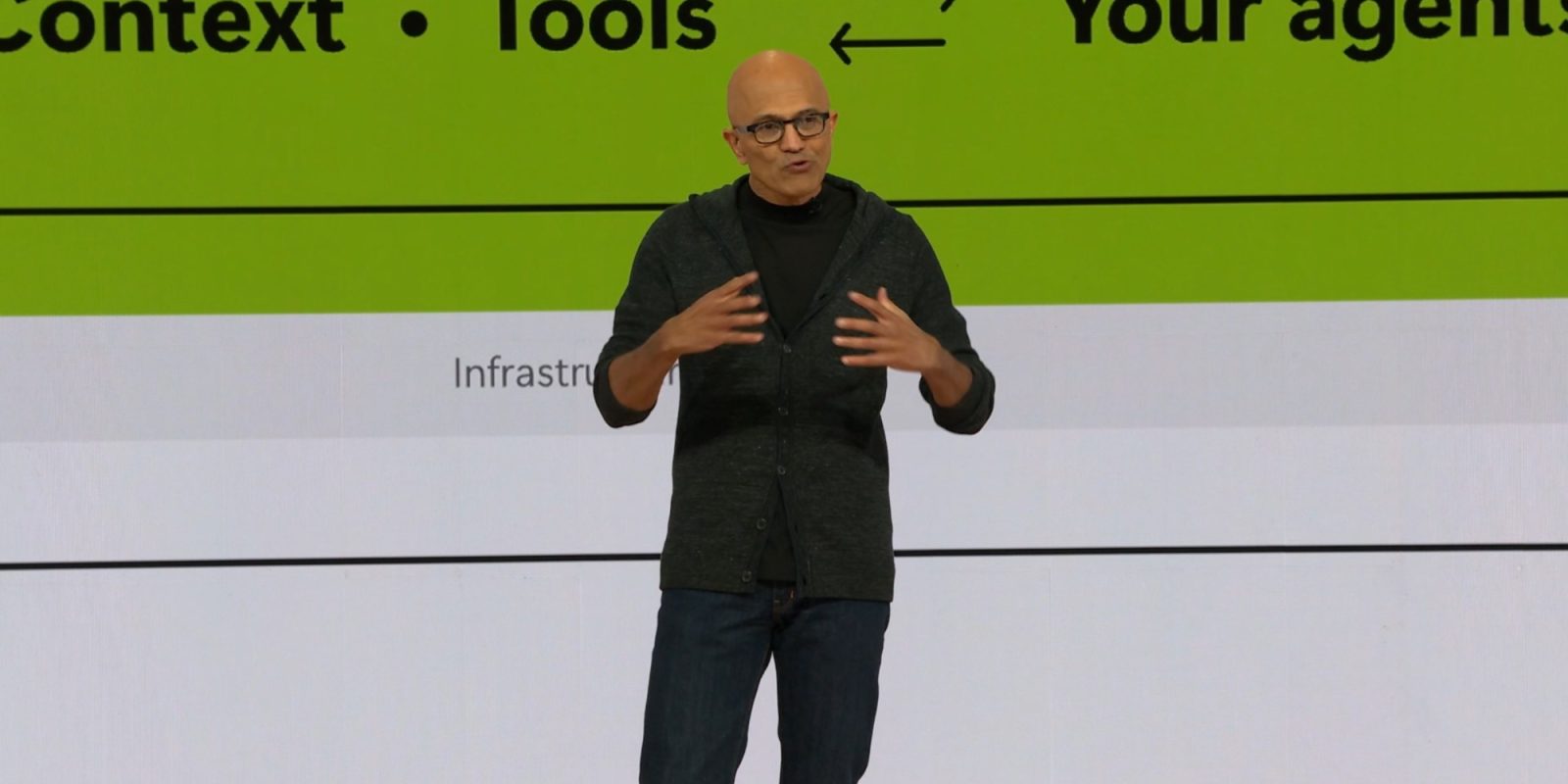
In a groundbreaking announcement at the recent Microsoft Build conference, CEO Satya Nadella unveiled Project Solara, a collaborative initiative with Qualcomm aimed at pioneering an agent-first computing paradigm. This strategic move signifies a departure from conventional operating systems and applications, steering towards the development of intelligent AI agents designed to deliver personalized and context-aware user experiences.
The Advent of Project Solara
Project Solara represents a synergistic effort between Microsoft and Qualcomm to create a comprehensive chip-to-cloud platform. This platform integrates advanced silicon, sophisticated software, and robust cloud services to power AI agents that are not only more personal and aware but also consistently present in users’ daily lives. Qualcomm describes Solara as a new chip-to-cloud platform where silicon, software, and cloud come together to power AI experiences that are more personal, more aware, and always with you.
In a joint video presentation, Nadella and Qualcomm President and CEO Cristiano Amon elaborated on the initiative, emphasizing the transformative potential of AI agents in reshaping user interactions with technology. Nadella articulated this vision succinctly:
> There’s a real platform shift. We’re moving from building operating systems, devices for apps, to agents.
Implications for the Computing Landscape
This strategic pivot underscores Microsoft’s commitment to redefining the computing experience. By focusing on AI agents, the company aims to create systems that proactively understand and anticipate user needs, thereby enhancing efficiency and engagement. This approach marks a significant evolution from the traditional reliance on static operating systems and discrete applications.
The introduction of Project Solara also sets the stage for industry-wide discussions on the future of computing. With Apple’s Worldwide Developers Conference (WWDC) on the horizon, the tech community is keenly anticipating how other industry leaders will respond to this agent-centric paradigm. Notably, Apple is expected to unveil iOS 27’s enhanced Siri capabilities, potentially signaling its own foray into more advanced AI-driven user interactions.
Historical Context and Strategic Evolution
Microsoft’s journey towards this agent-first approach is rooted in a series of strategic decisions and organizational restructurings. In 2013, the company underwent a significant reorganization to foster greater collaboration between hardware, software, and services, mirroring approaches taken by competitors like Apple. This restructuring aimed to unify the company’s diverse product lines and streamline innovation.
The following year, Satya Nadella assumed the role of CEO, bringing a fresh perspective and a focus on cloud computing and AI. Under his leadership, Microsoft has consistently emphasized the importance of integrating AI into its product ecosystem, laying the groundwork for initiatives like Project Solara.
The Role of AI Agents in Future Computing
AI agents are poised to revolutionize the way users interact with technology. Unlike traditional applications that require explicit user input, AI agents can autonomously perform tasks, make recommendations, and adapt to individual preferences. This shift promises to enhance productivity by reducing the cognitive load on users and enabling more intuitive interactions.
For instance, an AI agent could manage a user’s schedule, prioritize emails, and provide real-time information based on contextual cues. By leveraging machine learning and natural language processing, these agents can offer a seamless and personalized computing experience that evolves with the user’s needs.
Challenges and Considerations
While the transition to an agent-first computing model offers numerous benefits, it also presents several challenges. Ensuring user privacy and data security is paramount, as AI agents require access to personal information to function effectively. Microsoft and its partners must implement robust safeguards to protect user data and maintain trust.
Additionally, the development of AI agents necessitates significant advancements in hardware and software integration. Project Solara’s chip-to-cloud approach aims to address these technical hurdles by creating a cohesive platform that seamlessly combines processing power, software capabilities, and cloud resources.
Industry Implications and Competitive Landscape
Microsoft’s announcement is likely to influence the broader tech industry, prompting competitors to accelerate their own AI initiatives. As companies vie to develop the most effective and user-friendly AI agents, we can expect a surge in innovation and the introduction of new products and services designed to enhance the agent-based computing experience.
For consumers, this competition could lead to more sophisticated and accessible AI tools that integrate seamlessly into daily life. From smart home devices to enterprise solutions, the proliferation of AI agents has the potential to transform various aspects of technology usage.
Conclusion
Microsoft’s unveiling of Project Solara and its commitment to an agent-first computing future mark a significant milestone in the evolution of technology. By shifting focus from traditional operating systems and applications to intelligent AI agents, the company aims to create more personalized, efficient, and intuitive user experiences. As this vision unfolds, it will be crucial to monitor how Microsoft and the broader industry navigate the challenges and opportunities presented by this transformative approach.