Google Empowers Creators with Fitbit Air Design Blueprints for Custom Accessories
In a move that underscores its commitment to fostering innovation and community engagement, Google has unveiled the hardware specifications and accessory design guidelines for the Fitbit Air tracker. This initiative invites independent designers and artisan makers to craft personalized bands and accessories, enhancing the versatility and appeal of the Fitbit Air.
Embracing Community Creativity
Since its debut last month, the Fitbit Air has inspired users to devise inventive ways to personalize their devices. Recognizing this burgeoning creativity, Google has made the hardware specifications and accessory design guidelines publicly accessible. This democratization of design resources empowers not only established third-party accessory manufacturers but also independent designers and artisans to develop unique, high-quality accessories for the Fitbit Air.
Access to Detailed Design Resources
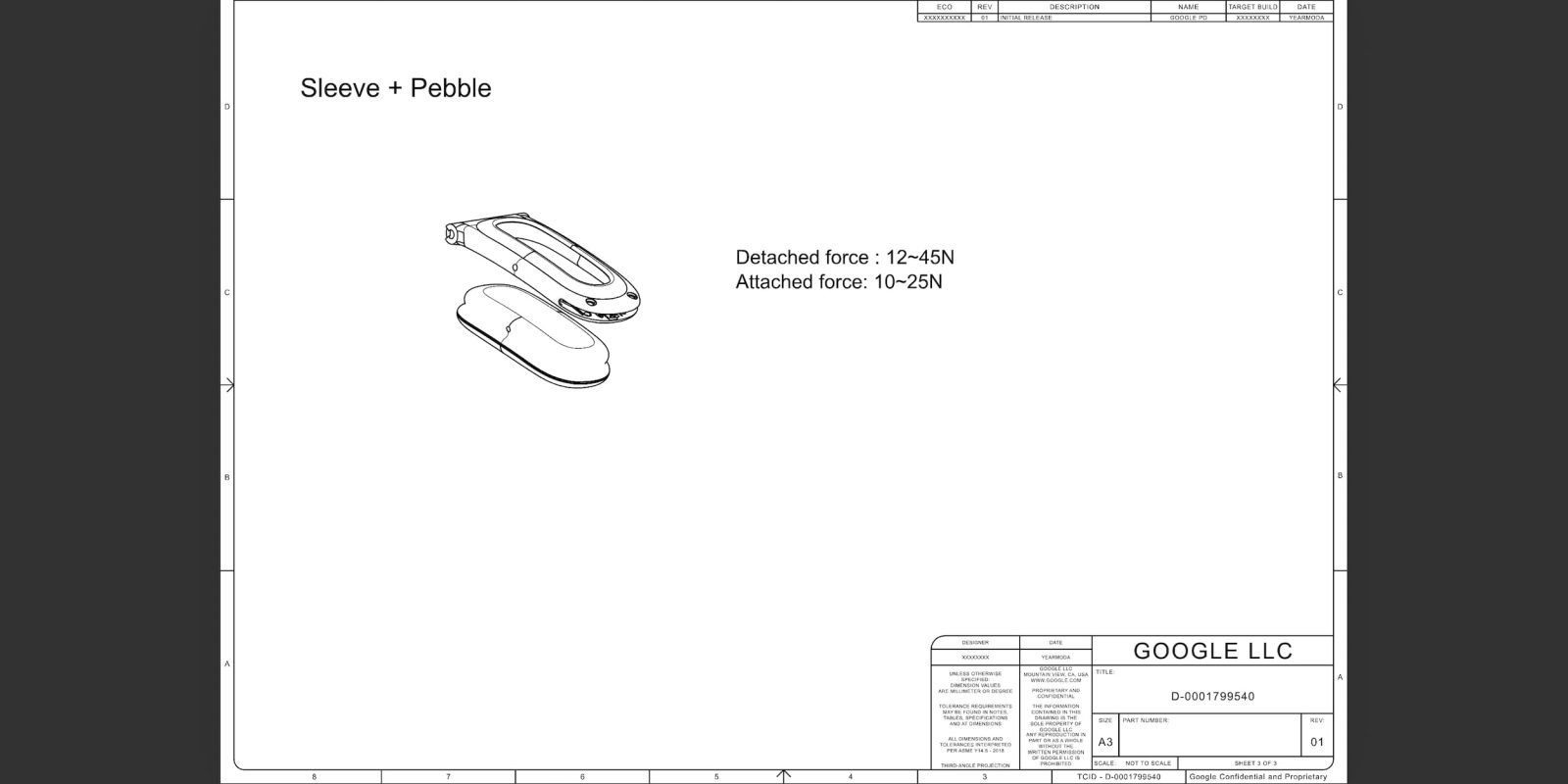
To facilitate this creative endeavor, Google has released comprehensive 2D CAD drawings of the Fitbit Air’s core component—the pill-shaped pebble housing the device’s sensors—and the sleeve utilized by the Performance Loop Band. These detailed schematics provide essential information on mating dimensions, tolerances, and force specifications for attachment and detachment, ensuring that custom accessories are both functional and secure.
Key Design Considerations
Developers and designers are encouraged to adhere to several critical guidelines to maintain the device’s performance and user comfort:
– Sensor Clearance: The optical heart rate and SpO2 sensors located on the base of the tracker must remain unobstructed and in consistent contact with the skin. Accessories should be designed to apply gentle, steady pressure to the sensing area to ensure accurate readings.
– Sensor Pressure: For optimal performance during movement, accessories should maintain a minimum pressure of 35 mmHg (0.68 psi) in the sensing region. This sustained contact pressure is vital for reliable photoplethysmography (PPG) measurements.
– Secure Retention: The Fitbit Air employs a tension-based snap-in mechanism. Custom enclosures should conform to the provided CAD tolerances to keep the tracker securely in place during vigorous activities while allowing for easy removal when swapping bands.
– Material Safety: To prevent skin irritation or allergic reactions, accessories should be made from skin-friendly materials. Google provides a list of chemical limits, environmental standards, and testing requirements to guide material selection.
A Nod to Google’s Open-Source Ethos
This initiative reflects Google’s longstanding tradition of embracing open-source principles and community-driven innovation. By providing these design resources, Google not only enhances the customization options for Fitbit Air users but also fosters a collaborative environment where creativity and personalization are celebrated.
The Fitbit Air: A Canvas for Personal Expression
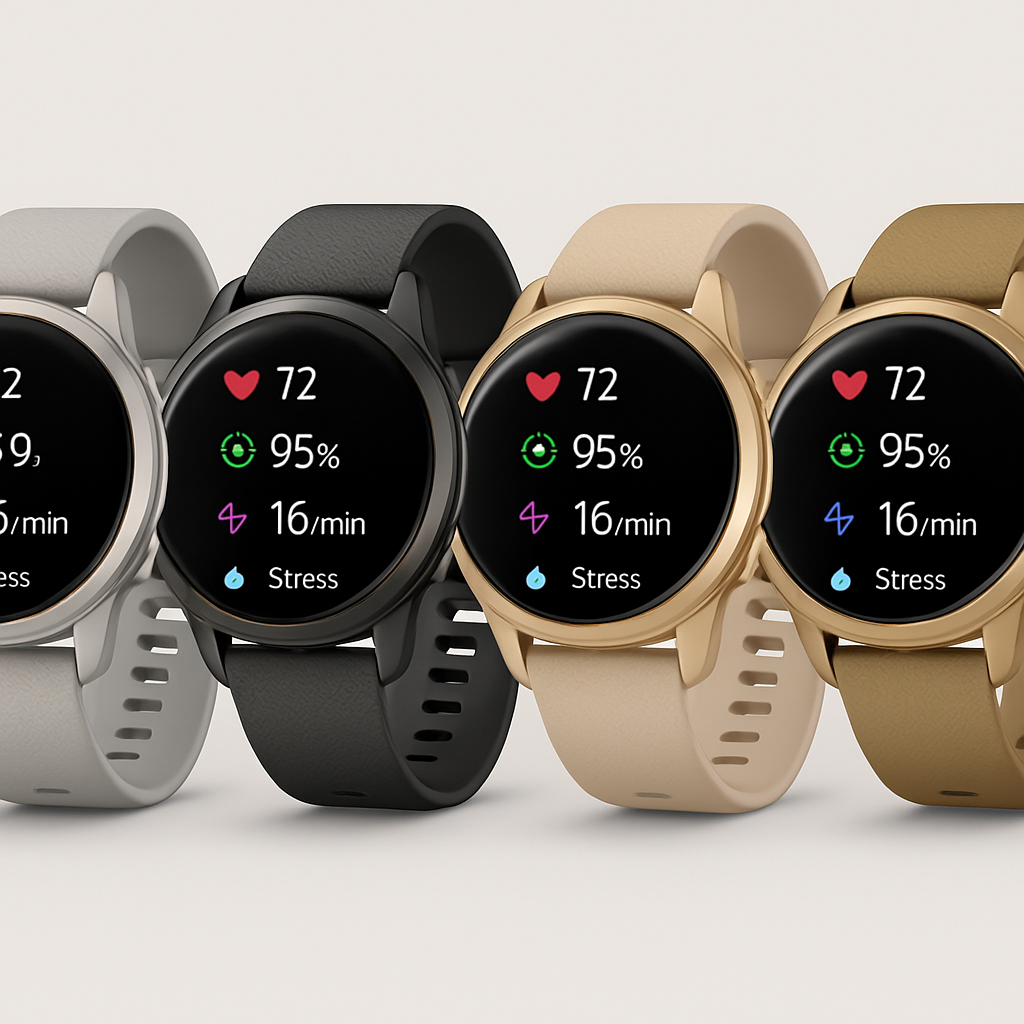
The Fitbit Air’s design inherently supports personalization. Its swappable pebble design allows users to easily change bands, making it an ideal platform for custom accessories. By releasing these blueprints, Google acknowledges and supports the community’s desire to make the Fitbit Air a true reflection of individual style and preference.
Encouraging a Diverse Accessory Ecosystem
By opening up the design process, Google aims to cultivate a diverse ecosystem of accessories that cater to a wide range of tastes and needs. This approach not only benefits users seeking unique customization options but also provides opportunities for designers and small businesses to contribute to the Fitbit Air’s accessory market.
Conclusion
Google’s release of the Fitbit Air’s design blueprints marks a significant step toward greater personalization and community involvement in wearable technology. By empowering independent creators to design custom accessories, Google enriches the user experience and reinforces its commitment to innovation and inclusivity. As designers and artisans begin to explore these new possibilities, Fitbit Air users can look forward to a growing array of accessories that reflect their unique styles and preferences.