SpaceX Secures $6.45 Billion in Space Force Contracts Ahead of Historic IPO
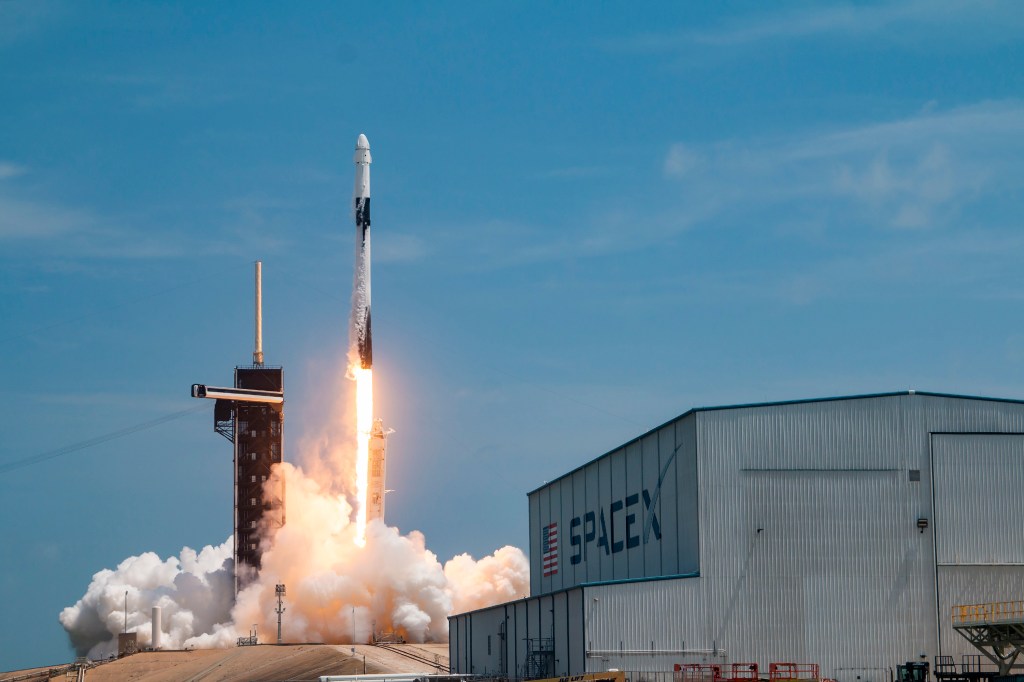
As SpaceX approaches its highly anticipated initial public offering (IPO) next month, the company has secured substantial contracts from the U.S. Space Force, totaling $6.45 billion. These agreements underscore SpaceX’s pivotal role in national defense and its strong ties with the federal government.
Major Contracts Awarded
On May 29, 2026, the U.S. Space Force announced a $4.16 billion contract with SpaceX to develop satellites for the Golden Dome, a missile and air defense system championed by President Trump. This initiative aims to enhance the nation’s defense capabilities through advanced satellite technology.
Earlier that week, SpaceX secured an additional $2.29 billion contract to establish a communications network in low Earth orbit. This network is expected to provide secure and reliable communication channels for military operations, further solidifying SpaceX’s position as a key defense contractor.
Dependence on Government Contracts
These contracts highlight SpaceX’s significant reliance on government funding. According to the company’s recent IPO filing, approximately 20% of its 2025 revenue was derived from government agencies. This dependency underscores the importance of maintaining strong relationships with federal entities to sustain and grow the company’s operations.
Political Connections and Market Dominance
Elon Musk, SpaceX’s founder and CEO, has invested around $300 million in political contributions to support President Trump’s election campaigns, fostering a close relationship with the administration. However, SpaceX’s dominance in the launch market over the past decade also plays a crucial role in securing these contracts. The company’s proven track record and technological advancements make it a preferred partner for government projects.
Investor Caution Amidst Policy Changes
Despite these lucrative contracts, SpaceX has cautioned potential investors about the risks associated with government dealings. The IPO filing notes that the company’s business with governmental entities is subject to changes in policies, priorities, regulations, mandates, and funding levels. This acknowledgment serves as a reminder of the uncertainties inherent in government contracts and the need for strategic planning to mitigate potential risks.
Historical Context and Future Prospects
SpaceX’s relationship with the U.S. government has evolved significantly over the years. In 2016, the company was awarded its first national security contract, an $82.7 million agreement with the U.S. Air Force to launch a GPS-3 satellite into orbit. This milestone marked the beginning of SpaceX’s foray into national defense projects.
Since then, SpaceX has continued to expand its portfolio of government contracts. In September 2023, the company secured its first contract for Starshield, the defense-focused version of its Starlink satellite internet service, from the U.S. Space Force. This one-year contract, valued at up to $70 million, provided end-to-end service via the Starlink constellation, supporting over 50 mission partners across all branches of the U.S. military.
The recent $6.45 billion in contracts further solidify SpaceX’s role as a key player in national defense. The Golden Dome project, in particular, represents a significant advancement in missile and air defense capabilities. By leveraging SpaceX’s expertise in satellite technology, the U.S. aims to enhance its defensive posture against emerging threats.
The communications network contract also highlights the growing importance of secure and reliable communication channels for military operations. As warfare becomes increasingly reliant on information and connectivity, the establishment of a robust low Earth orbit network is crucial for maintaining a strategic advantage.
Implications for the Upcoming IPO
The timing of these contracts is particularly noteworthy as SpaceX prepares for its IPO, which is projected to be one of the largest in history. The infusion of $6.45 billion in government contracts not only boosts the company’s financial standing but also enhances its attractiveness to potential investors.
However, the reliance on government contracts also introduces certain risks. Changes in political leadership, policy shifts, and budgetary constraints can impact the continuity and value of these agreements. Investors must consider these factors when evaluating SpaceX’s long-term growth prospects.
Conclusion
SpaceX’s recent $6.45 billion in contracts with the U.S. Space Force underscores the company’s integral role in national defense and its strong ties with the federal government. As the company approaches its historic IPO, these agreements enhance its financial position and market appeal. However, the inherent uncertainties associated with government contracts necessitate careful consideration by potential investors. SpaceX’s ability to navigate these complexities will be crucial in sustaining its growth and maintaining its leadership in the aerospace industry.