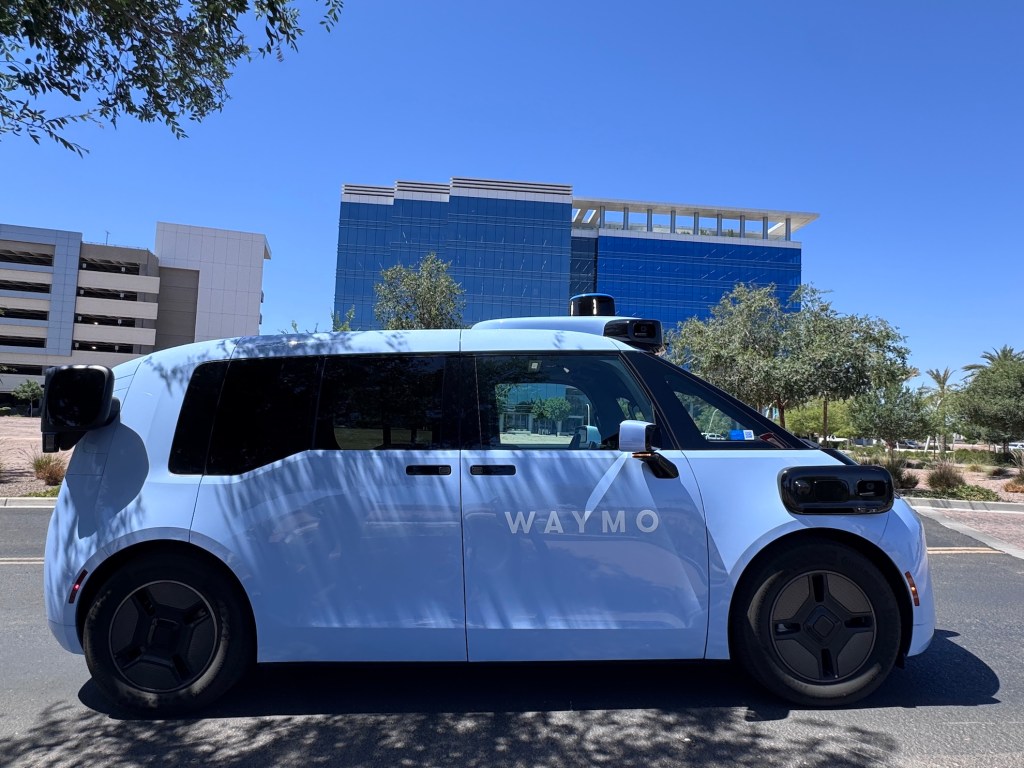
Waymo Unveils Ojai: A Cost-Effective, Chinese-Made Robotaxi Now Serving Riders
Waymo, the autonomous vehicle subsidiary of Alphabet, has introduced its latest innovation: the Ojai, an all-electric, minivan-style robotaxi designed to enhance cost efficiency and durability. This new vehicle is now available to select riders in Los Angeles, Phoenix, and San Francisco, marking a significant step in Waymo’s mission to revolutionize urban transportation.
Strategic Partnership and Development
The Ojai is the product of a strategic collaboration between Waymo and Zeekr, a brand under China’s Geely Holdings. This partnership, initiated in 2021, aimed to create a purpose-built robotaxi that combines advanced autonomous technology with practical design. The vehicle’s foundation is Zeekr’s Sustainable Experience Architecture-M (SEA-M), a platform tailored for future mobility solutions such as robotaxis and logistics vehicles.
Design and Technological Features
Designed in Sweden and manufactured in China, the Ojai boasts a suite of advanced technologies. It is equipped with Waymo’s sixth-generation autonomous system, which includes:
– 13 high-resolution cameras
– Four lidar sensors
– Six radar units
– Multiple external audio receivers
This modular system is adaptable to various vehicle types, including the Zeekr minivan and the Hyundai Ioniq 5, underscoring Waymo’s commitment to scalable autonomous solutions.
User-Centric Interior
The Ojai’s interior is meticulously crafted to enhance passenger comfort and accessibility. Key features include:
– A flat floor and low step-in height for easy entry and exit
– Gondola-style doors on both sides
– Charging ports and cup holders
– Ample legroom and headroom
– Grab bars and braille labels for inclusivity
– Three large adaptive screens for route information, music selection, climate control, and rider tips
These design elements aim to provide a seamless and enjoyable ride experience for a diverse user base.
Operational Efficiency and Scalability
Waymo’s approach to the Ojai emphasizes operational efficiency. The vehicles are initially produced without Chinese connected car technology and are then shipped to Waymo’s facility in Arizona. There, they are outfitted with Waymo’s proprietary hardware and software, ensuring compliance with U.S. standards and regulations. This process positions Waymo to scale production to tens of thousands of units annually, starting with the Ojai and followed by the Hyundai Ioniq 5.
Current Deployment and Future Plans
Currently, the Ojai is available to a select group of riders in Los Angeles, Phoenix, and San Francisco. These initial rides are offered free of charge to gather user feedback and refine the robotaxi experience. Waymo plans to expand access to more riders and additional cities in the near future, aiming to integrate the Ojai into its broader autonomous ride-hailing services.
Addressing Operational Challenges
The launch of the Ojai comes at a pivotal time for Waymo. The company recently paused its robotaxi services on freeways in Los Angeles, Miami, Phoenix, and San Francisco to improve vehicle behavior in construction zones. Additionally, services in Atlanta and San Antonio were temporarily suspended to address issues related to flooding. The introduction of the Ojai represents a strategic move to overcome these challenges and advance Waymo’s goal of providing reliable and scalable autonomous transportation.
Conclusion
The debut of the Ojai signifies a major milestone in Waymo’s journey toward widespread autonomous ride-hailing services. By combining innovative design, advanced technology, and strategic partnerships, Waymo is poised to redefine urban mobility and set new standards in the autonomous vehicle industry.