Apple Develops Advanced Security Feature to Safeguard Unlocked Stolen iPhones
Apple is actively developing a cutting-edge security feature aimed at protecting iPhone users from unauthorized access when their devices are stolen while unlocked. This initiative seeks to prevent thieves from exploiting the brief window when an iPhone is unlocked to access personal data, alter Apple ID settings, or lock owners out of their accounts.
Current Security Measures and Their Limitations
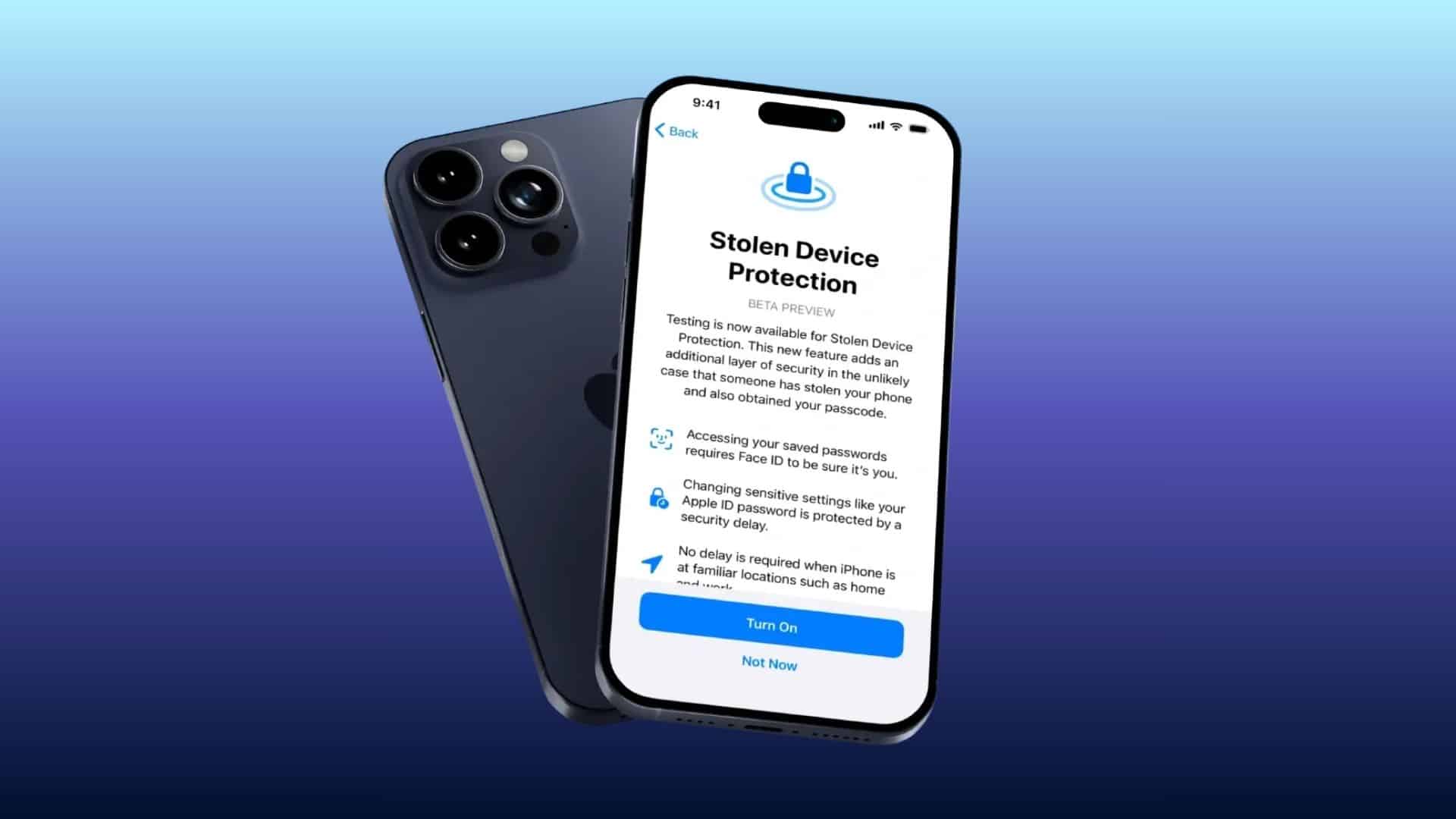
Apple’s existing security arsenal includes features like Find My, Activation Lock, and Stolen Device Protection. These tools are effective under normal circumstances but have vulnerabilities when a device is stolen while unlocked. In such scenarios, thieves can swiftly access sensitive information, including apps, passwords, and payment methods, before security protocols are fully engaged.
Innovative Detection Mechanism
According to code unearthed by 9to5Mac, Apple is working on a system that can automatically detect when an iPhone has been forcefully taken from its owner. Once the system believes the device has been snatched, it will instantly lock the iPhone to block access.
Integration with Existing Security Protocols
Apple plans to integrate this new feature with existing Stolen Device Protection rules. The iPhone will assess its connection to familiar Wi-Fi networks or its presence in trusted locations, such as home or work, before determining the level of security measures to implement. If the device is identified as being in an unfamiliar location, the system will automatically restrict access to protected settings and account changes.
Broader Context and Implications
This development is part of Apple’s ongoing commitment to enhancing user security. In recent months, Apple has introduced several security updates and features:
– Background Security Improvements: Apple has rebranded its Rapid Security Response system as Background Security Improvements in the iOS 26.1 developer beta. This feature installs security updates silently in the background, eliminating the need for users to trigger them manually. This change strengthens iPhone security by shortening the time between vulnerability discovery and patch delivery. ([macobserver.com](https://www.macobserver.com/news/apple-moves-security-updates-to-the-background-in-ios-26-1/?utm_source=openai))
– Stolen Device Protection: Apple introduced Stolen Device Protection in 2024 to prevent unauthorized access when someone steals an iPhone and knows the passcode. The system adds strict checks when the device is away from familiar places like home or work, reducing the risk of sensitive account changes. ([macobserver.com](https://www.macobserver.com/news/ios-26-4-1-enables-stolen-device-protection-automatically-for-enterprise-devices/?utm_source=openai))
– Critical Security Alerts: Apple has started sending Lock Screen alerts to iPhones and iPads running older iOS and iPadOS versions, warning users about active web-based attacks targeting outdated software. These notifications appear as a “Critical Software” alert from the Settings app and clearly state that attackers are exploiting older iOS versions, including the one currently installed on the device, which means users need to act quickly to secure their data. ([macobserver.com](https://www.macobserver.com/news/apple-sends-critical-security-alerts-to-outdated-iphones-and-ipads/?utm_source=openai))
User Recommendations
While Apple continues to enhance its security features, users are advised to:
– Keep Software Updated: Regularly update your iPhone to the latest iOS version to benefit from the newest security features and patches.
– Enable Existing Security Features: Activate features like Find My, Activation Lock, and Stolen Device Protection to add layers of security to your device.
– Be Cautious in Public Spaces: Remain vigilant when using your iPhone in public areas to minimize the risk of theft.
Conclusion
Apple’s proactive approach to developing this new security feature underscores its dedication to user safety. By leveraging advanced detection mechanisms and integrating them with existing security protocols, Apple aims to provide comprehensive protection against the evolving tactics of device theft.