Harnessing India’s Gig Economy to Train the Next Generation of Robots
In recent years, India’s gig economy has experienced remarkable growth, particularly in sectors like online food delivery and home services. Companies such as Zomato and Swiggy have gone public, and platforms like Urban Company, Snabbit, and Pronto have gained significant traction. Amidst this expansion, Silicon Valley-based startup Human Archive is leveraging this trend by collaborating with these service providers to collect first-person video data, aiming to enhance the training of physical AI systems.
Innovative Data Collection Approach
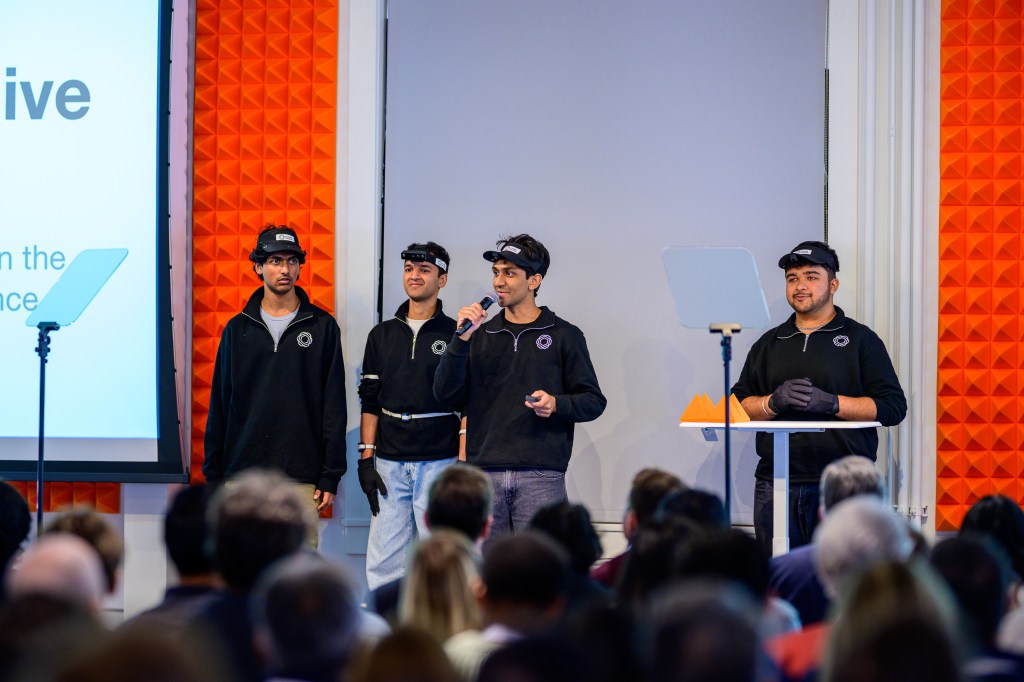
Human Archive equips workers with specialized headgear fitted with cameras to capture egocentric (first-person perspective) video footage of routine tasks. This data is invaluable for training robots to perform everyday activities with human-like proficiency. The startup has deployed over 1,000 such devices across various locations, partnering with companies in the home services, hospitality, and restaurant industries.
Recent Funding and Founding Team
On May 26, 2026, Human Archive announced securing $8.2 million in funding from investors including Wing Venture Capital, NVP Capital, Y Combinator, and notable figures from OpenAI, Nvidia, Google, Mercor, AfterQuery, BAIR, SAIL, Brad Boa, and Meta. The company was founded by UC Berkeley students Samay Maini, Rushil Agarwal, and Shloke Patel, along with Stanford’s Raj Patel, who serves as CEO. Their collective expertise spans robotics, hardware development, and tactile data analysis.
Addressing the AI Training Data Bottleneck
The AI industry faces a significant challenge: a scarcity of high-quality, real-world training data depicting humans performing everyday tasks. Human Archive aims to bridge this gap by tapping into India’s burgeoning gig economy, providing a scalable source of such data. By capturing detailed, real-world interactions, the startup seeks to accelerate the development of robots capable of seamlessly integrating into human environments.
Challenges in Forming Partnerships
Despite its innovative approach, Human Archive has encountered resistance from major Indian home services companies, including Pronto and Urban Company, which declined collaboration opportunities. This reluctance became public when reports surfaced about Pronto’s active search for data collection partnerships and Snabbit’s initial discussions with Human Archive that did not materialize. Urban Company’s CEO, Abhiraj Singh Bhal, publicly stated the company’s decision to abstain from such arrangements, leading to a public exchange with Human Archive’s leadership.
Expanding Data Collection Methods
To distinguish itself, Human Archive is developing additional devices such as tactile gloves, full-body motion capture suits, and wrist cameras. These tools aim to capture comprehensive data, including motion and tactile force, synchronized with RGB-D (color and depth) imagery. The startup believes that integrating various sensor data enhances the value of the collected information, providing a more holistic dataset for AI training.
Operational Strategies and Worker Compensation
Human Archive collaborates with smaller startups to offer discounted services to customers who consent to data collection during service visits. Workers participating in data collection receive a base rate of $1 per hour. While this compensation is lower than some competitors, Human Archive’s presence in India allows it to maintain cost-effectiveness. The company emphasizes its commitment to providing flexible earning opportunities, contributing to the AI economy while supporting immediate livelihoods.
Privacy and Compliance Considerations
The practice of video recording raises privacy concerns. Human Archive asserts that its data collection methods comply with India’s Digital Personal Data Protection (DPDP) Act. The company provides privacy policy notices and consent information detailing the purpose and processing of data collection. All collected data is anonymized, with faces blurred to protect individual identities. However, India’s Ministry of Electronics and Information Technology is reviewing the consent mechanisms and data-collection practices of startups engaging in egocentric data collection through home service workers.
Global Expansion and Future Plans
While primarily operating in India, Human Archive has initiated expansion into Southeast Asia and the United States. The company is developing a platform that allows individuals to participate in data collection and earn money, with pilot programs offering services like cleaning or cooking in exchange for data collection by participating workers. These initiatives are in early stages, reflecting the startup’s ambition to scale its data collection efforts globally.
Conclusion
As the demand for physical AI grows, the need for extensive, high-quality training data becomes increasingly critical. Human Archive’s innovative approach to data collection positions it as a key player in this evolving landscape. The success of its model will depend on its ability to forge strategic partnerships and deliver unique, comprehensive datasets that meet the needs of AI labs worldwide.