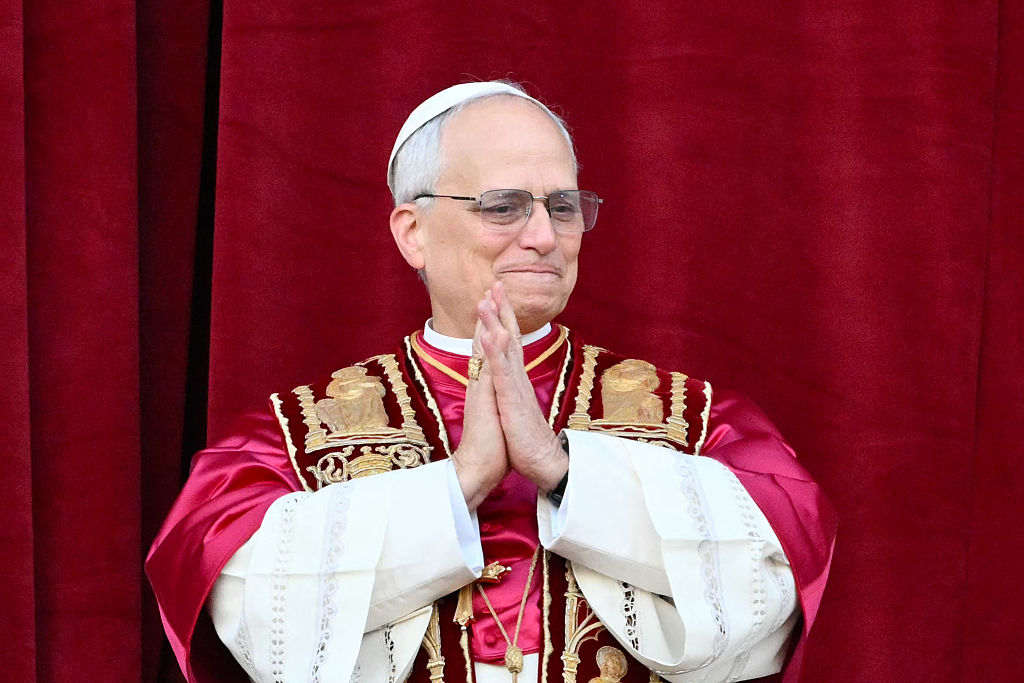
Pope Leo XIV’s Encyclical ‘Magnifica Humanitas’ Calls for Ethical Oversight in AI Development
On May 25, 2026, Pope Leo XIV unveiled his inaugural encyclical, Magnifica Humanitas, focusing on safeguarding the human person in the time of artificial intelligence. While the document centers on AI, it delves deeper into longstanding societal issues such as inequality, warfare, democratic erosion, and the consolidation of power among elites who may not prioritize the collective well-being of humanity.
In the comprehensive 200-page document, presented alongside Chris Olah, co-founder of AI company Anthropic, Pope Leo XIV emphasizes that technology developed and controlled by a select few cannot inherently serve the common good. He articulates concerns that when power is concentrated, it becomes opaque and evades public oversight, leading to distorted development forms that foster new dependencies, exclusions, manipulations, and inequalities.
The encyclical highlights that, akin to previous technological shifts, AI tends to amplify the power of those already possessing economic resources, expertise, and access to data. This concentration enables elites to shape information and consumption patterns, influence democratic processes, and steer economic dynamics to their advantage.
This publication follows closely after President Donald Trump’s decision to delay signing an executive order on AI, which aimed to grant the government oversight over new models before their release. Reports suggest that venture capitalist and former White House AI advisor David Sacks influenced this postponement.
Pope Leo XIV advocates for AI to be guided by clear criteria and effective oversight, emphasizing the necessity of involving communities affected by these technologies. He calls for an end to the AI arms race—the relentless pursuit of more powerful algorithms and larger datasets by companies and nations seeking geopolitical or commercial dominance. He asserts that disarming this race involves discrediting the assumption that technical power automatically confers the right to govern.
Drawing parallels to historical events, the encyclical references Pope Leo XIII’s 1891 Rerum Novarum, which addressed similar power concentrations during the Industrial Revolution. Contemporary examples include Elon Musk’s acquisition of Twitter and its use to influence political outcomes, as well as substantial financial contributions from tech elites to super PACs opposing AI regulation.
The document underscores the unprecedented power and capabilities of modern AI, raising significant stakes for society. Paolo Carozza, a professor at Notre Dame Law School and member of the Pontifical Academy of Social Sciences, notes that AI-driven misinformation and deepfakes have eroded our ability to discern truth, with profound implications for democratic politics. He also highlights the tech industry’s practices of harvesting and manipulating human data, posing fundamental challenges to cognitive freedom.