Apple Enhances Heart Rate Monitoring in watchOS 27 Amid AI Health Coach Delays
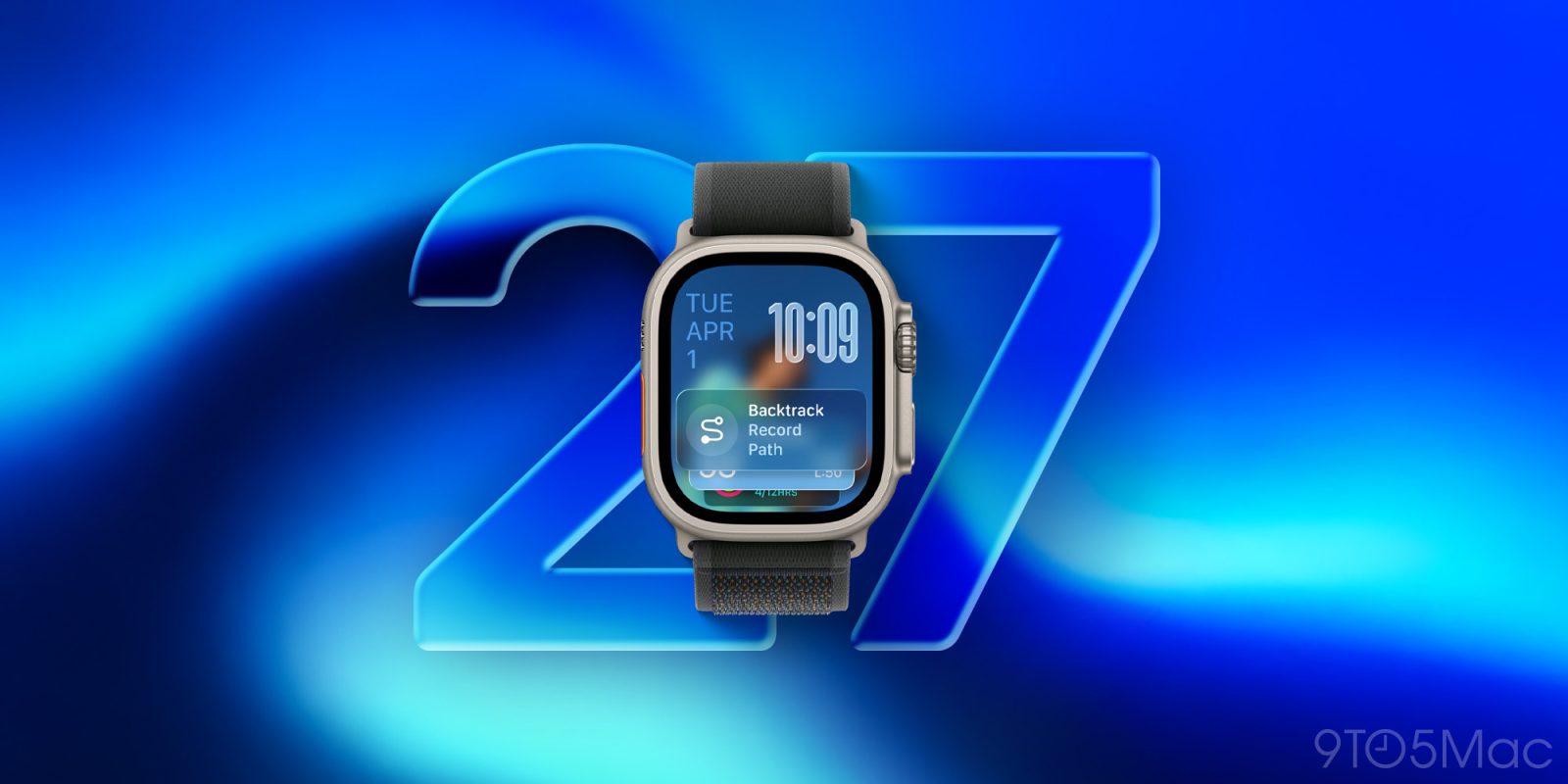
Apple is set to introduce significant improvements to heart rate monitoring in its upcoming watchOS 27 update, enhancing the Apple Watch’s capabilities as a health and fitness companion. However, the anticipated AI-powered health coaching service, known internally as Project Mulberry, is facing delays and may not debut alongside the initial release of watchOS 27.
Advancements in Heart Rate Monitoring
The Apple Watch has long been recognized for its health monitoring features, with heart rate tracking being a cornerstone. In watchOS 27, Apple plans to refine this functionality to provide users with more accurate and consistent heart rate data. While specific details on the enhancements are limited, the focus appears to be on improving the precision and reliability of heart rate measurements.
Currently, the Apple Watch measures heart rate using an optical sensor that employs photoplethysmography. This technology detects blood flow by shining green LED lights onto the skin and measuring the amount of light absorbed. The device takes periodic readings throughout the day and continuous measurements during workouts. Despite its effectiveness, factors such as skin tone, body composition, and movement can affect accuracy.
Recent studies have highlighted disparities in heart rate measurement accuracy across different skin tones and body compositions. For instance, research indicates that individuals with darker skin tones or higher body mass indices may experience increased measurement errors. These findings underscore the importance of Apple’s efforts to enhance the heart rate monitoring capabilities of the Apple Watch to ensure equitable health tracking for all users.
Project Mulberry: AI Health Coach Delays
Project Mulberry, Apple’s ambitious AI-driven health coaching service, aims to provide personalized health insights by analyzing data from the Apple Watch and Health app. The service is designed to offer tailored recommendations and guidance to help users achieve their health and fitness goals. Initially slated for release with iOS 26.4, the project has encountered setbacks, leading to a postponement to iOS 27.
According to reports, the development of Project Mulberry has been scaled back, and its launch may be further delayed within the iOS 27 update cycle. The decision to delay stems from Apple’s desire to refine the service to ensure it meets the company’s high standards and effectively competes with existing health subscription services. As a result, users may have to wait longer for the introduction of this AI-powered health coach.
Implications for Apple Watch Users
The enhancements to heart rate monitoring in watchOS 27 are expected to provide users with more accurate and reliable data, which is crucial for tracking fitness progress and monitoring overall health. Improved heart rate accuracy can lead to better calorie burn estimates, more precise workout metrics, and enhanced detection of potential health issues.
On the other hand, the delay of Project Mulberry means that users will have to wait longer for personalized AI-driven health coaching. While the Apple Watch continues to offer robust health and fitness features, the addition of an AI health coach could provide a more comprehensive and tailored experience. Users can anticipate that when Project Mulberry does launch, it will offer a well-developed and competitive service that integrates seamlessly with Apple’s health ecosystem.
Conclusion
Apple’s commitment to enhancing the health monitoring capabilities of the Apple Watch is evident in the upcoming improvements to heart rate tracking in watchOS 27. These advancements aim to provide users with more accurate and reliable health data, addressing previous limitations and ensuring a more inclusive experience. While the delay of Project Mulberry may be disappointing to some, it reflects Apple’s dedication to delivering high-quality and effective health solutions. Users can look forward to a more refined and personalized health coaching service in the future, complementing the existing features of the Apple Watch.