Apple’s OLED MacBook Pro Nears Reality as Samsung Achieves High Production Yields
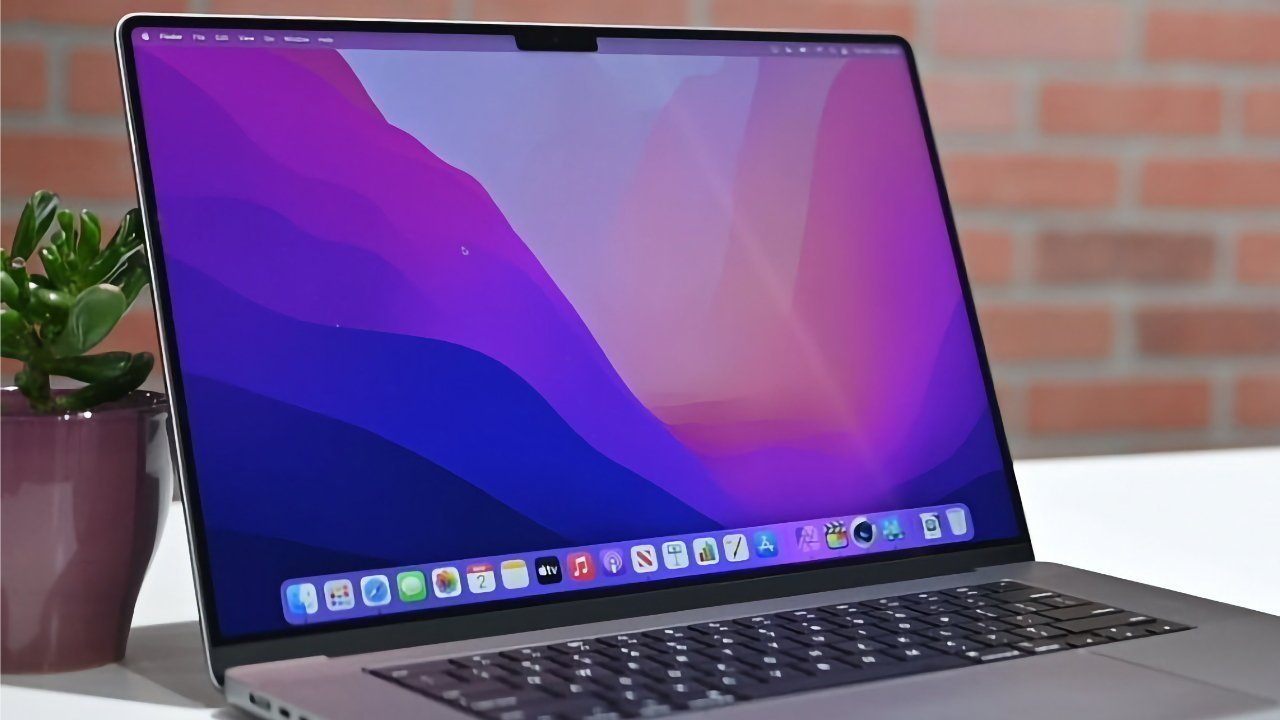
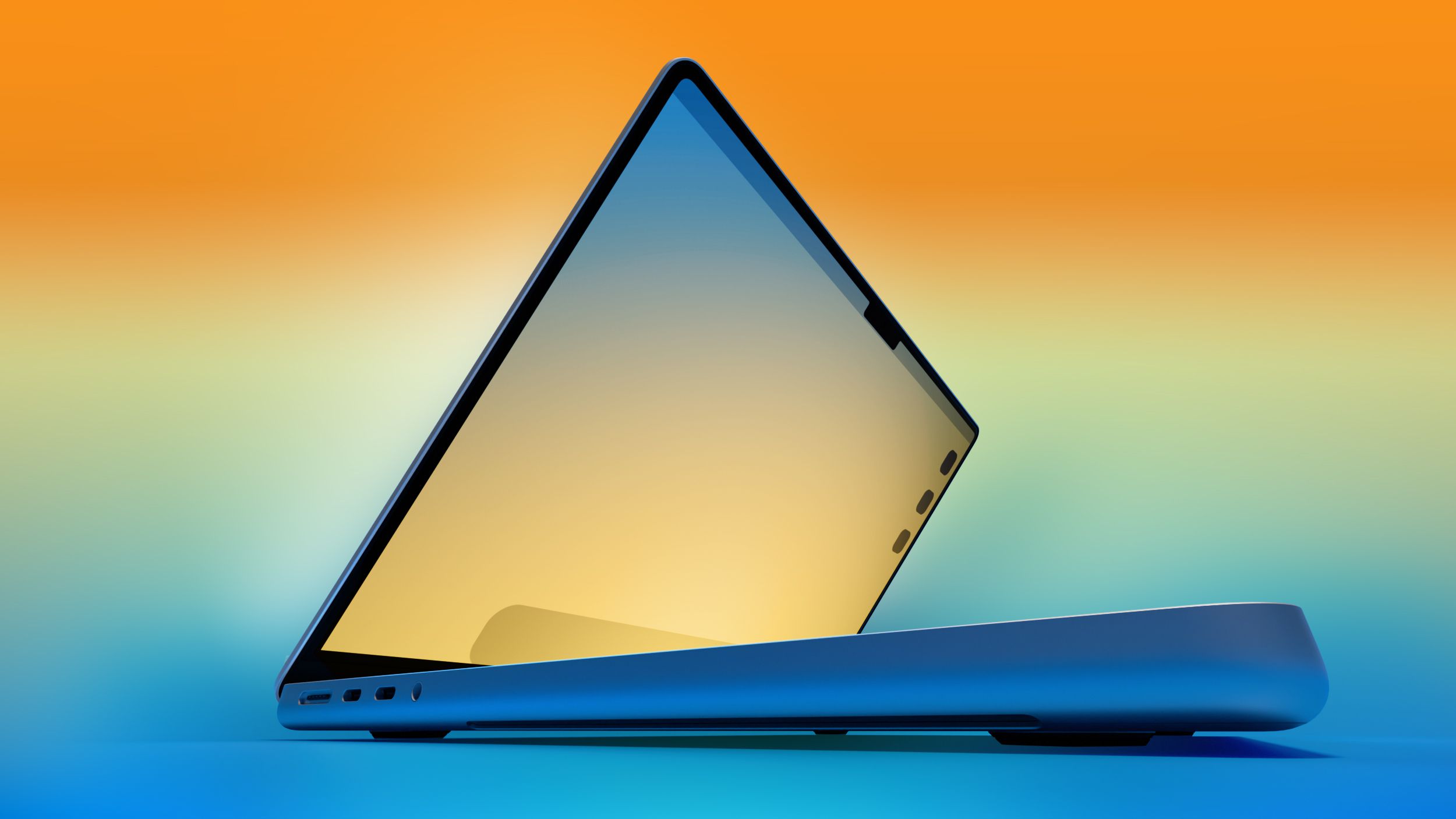
Apple’s journey toward integrating OLED technology into its MacBook Pro lineup has reached a significant milestone. Samsung Display, the primary supplier for these advanced panels, has reportedly achieved production yields exceeding 90% on its Gen 8.6 OLED production line. This development marks a crucial step toward the mass production of OLED displays tailored for Apple’s forthcoming 14-inch and 16-inch MacBook Pro models.
Breakthrough in OLED Panel Production
According to reports from Korean publication The Elec, certain stages of Samsung’s manufacturing process are now attaining yields as high as 95%. In the display industry, such high yield rates are considered golden yield, indicating a stable and efficient production process suitable for large-scale manufacturing. This achievement is particularly noteworthy given the complexities involved in producing larger OLED panels for laptops, which demand higher brightness levels and longer lifespans compared to their smartphone counterparts.
Anticipated Shipping and Integration
With these improved production efficiencies, Samsung is poised to commence shipping OLED laptop panels as early as June. The initial supply volume is estimated to be around 2 million units for the year. These panels are expected to feature in the next-generation MacBook Pro models, aligning with Apple’s commitment to enhancing display quality and energy efficiency in its devices.
Technological Advancements in Display
The upcoming MacBook Pro displays are anticipated to incorporate several cutting-edge technologies:
– Tandem Two-Stack OLED Technology: This design involves stacking two OLED layers, resulting in increased brightness and extended display lifespan. This technology has been previously utilized in Apple’s OLED iPad Pro models, setting a precedent for its application in MacBooks.
– Oxide TFT Backplanes: Utilizing oxide thin-film transistor (TFT) backplanes can lead to improved power efficiency, thereby enhancing battery life—a critical factor for portable devices like laptops.
– Hybrid Encapsulation: To protect the OLED panels from moisture and oxygen, a hybrid encapsulation method is employed. This technique combines both rigid and flexible encapsulation layers, ensuring durability and reliability of the display over time.
Samsung’s Investment and Production Capacity
Samsung’s investment in the Gen 8.6 IT OLED production line began in 2023, with the company currently operating one of two planned production lines. The Gen 8.6 line utilizes larger glass substrates, which are more suitable for producing laptop-sized panels. This approach not only improves yield rates but also reduces manufacturing costs, making OLED technology more accessible for larger devices.
Depending on market demand for the OLED MacBook Pro models, Samsung has the capacity to activate the second production line, potentially increasing output to meet consumer needs. This scalability ensures that Samsung can adapt to varying levels of demand, providing flexibility in production planning.
Introduction of Touchscreen Capability
In a significant shift from previous models, the upcoming MacBook Pro is rumored to feature touchscreen functionality. This addition aligns with Apple’s broader strategy to enhance user interaction across its device ecosystem. The integration of touch capabilities into the MacBook Pro could bridge the gap between traditional laptops and tablets, offering users a more versatile computing experience.
Projected Launch Timeline
Industry analysts, including Bloomberg’s Mark Gurman, have consistently projected that the 14-inch and 16-inch OLED MacBook Pro models are slated for release between late 2026 and early 2027. However, the latter timeframe is now considered more probable due to ongoing industry-wide challenges, such as the global chip shortage. This shortage has impacted various sectors, leading to delays in production and product launches across the tech industry.
Implications for the MacBook Pro Lineup
The transition to OLED displays represents a significant evolution in the MacBook Pro’s design and functionality. OLED technology offers several advantages over traditional LCDs, including:
– Enhanced Image Quality: OLED panels provide higher contrast ratios and deeper blacks, resulting in more vibrant and lifelike images.
– Improved Power Efficiency: OLED displays can be more energy-efficient, potentially extending battery life—a crucial factor for users who require mobility.
– Thinner and Lighter Designs: The flexibility and thinness of OLED panels may allow for sleeker and more portable MacBook Pro designs.
Challenges in OLED Adoption
Despite the promising advancements, the adoption of OLED technology in laptops presents certain challenges:
– Manufacturing Complexity: Producing larger OLED panels with consistent quality is more complex than manufacturing smaller smartphone displays. Achieving high yield rates is essential to make the production economically viable.
– Cost Considerations: OLED panels are generally more expensive to produce than LCDs. Balancing the cost while maintaining affordability for consumers is a critical consideration for Apple.
– Durability Concerns: OLED displays are susceptible to issues like burn-in, where static images can leave permanent marks on the screen. Implementing technologies like tandem two-stack OLED and hybrid encapsulation aims to mitigate these concerns.
Conclusion
The recent advancements in OLED panel production by Samsung Display mark a pivotal moment in the evolution of Apple’s MacBook Pro lineup. With high production yields and the integration of advanced display technologies, the future MacBook Pro models are set to offer enhanced visual experiences and improved energy efficiency. While challenges remain, the collaboration between Apple and Samsung Display is poised to redefine the standards for laptop displays, bringing OLED technology to a broader audience of MacBook users.