Patina Secures $2 Million to Revolutionize the Fragrance Industry with AI-Generated Scent Molecules
In a significant move poised to disrupt the traditional fragrance industry, Patina, a pioneering fragrance technology startup, has successfully raised $2 million in funding from investors including Betaworks and True Ventures. This infusion of capital is set to propel Patina’s mission of creating novel scent molecules through the integration of advanced molecular design, machine learning, and comprehensive scent research.
The fragrance sector has remained largely unchanged for nearly half a century, with a handful of specialized laboratories dominating the creation of scent molecules. These labs typically supply their creations to fragrance houses and cosmetic companies, which then develop perfumes, candles, and flavored products for the consumer market. Patina aims to challenge this status quo by introducing innovative methodologies to scent creation.
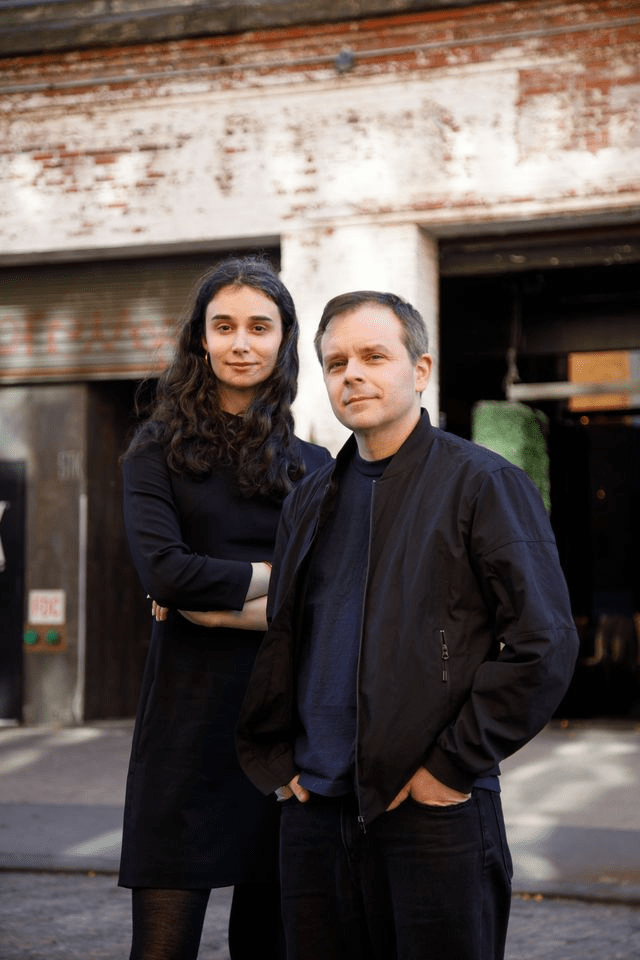
Founded by artist and perfumer Sean Raspet and food and software engineer Laura Sisson, Patina’s inception is rooted in a shared fascination with human sensory experiences. Raspet’s artistic endeavors led him to experiment with new scent and flavor molecules, while Sisson’s background introduced her to the scientific modeling of human senses. Their paths converged in 2024 at a scent art gallery in New York, where Raspet was showcasing his molecular creations, and Sisson was developing olfactory learning models.
We started collaborating on research, and it became clear that the timing was right to finally build the tools to understand scent at the biological level, Raspet shared with TechCrunch. That felt like a company.
Since its launch last year, Patina has been diligently working on Sense1, a foundational model designed to replicate the scent receptors in the human nose. This ambitious project aims to establish the first universal code for smell and taste. Traditionally, scents are described using subjective terms like floral or woody, leading to inconsistencies across different regions and languages. By focusing on the receptor level, Patina seeks to create unprecedented molecules and reconstruct rare natural ingredients with precision.
Patina is already in discussions with leading fragrance houses and fashion brands to develop custom scents. The current market trends indicate a growing consumer demand for innovative, safer, and more expressive perfumes. Additionally, the industry faces challenges with the rising costs and scarcity of natural ingredients like rose oil. Synthetic alternatives developed by Patina could offer sustainable solutions by replicating the scent of rose oil at the biological level, eliminating the need for plant extraction.
These replications are less carbon-intensive than the original plant extract, consuming significantly less water and petrochemicals, Raspet noted.
Patina’s approach positions it alongside other innovators in the field, such as startups like Osmo and established industry leaders like Givaudan and Symrise. A notable aspect of Patina’s strategy is its focus on intellectual property. Currently, only fragrance molecules can be patented, not the formulas themselves, making scents easily replicable. By leveraging AI, Patina can rapidly develop custom scent ingredients, reducing the time from months to mere weeks, thereby leveling the playing field for smaller companies in the fragrance industry.