Unlocking the Power of Google’s AI Agents: A New Era in Personalized Search
At the 2026 Google I/O keynote, Google unveiled a groundbreaking advancement in search technology: the introduction of AI-driven information agents. These agents are designed to operate continuously, providing users with real-time updates on topics of personal interest without the need for repeated manual searches. ([techcrunch.com](https://techcrunch.com/2026/05/19/how-to-use-googles-new-information-agents/?utm_source=openai))
Understanding Google’s AI Information Agents
Traditional search engines require users to input queries to retrieve information. Google’s new information agents, however, proactively monitor and deliver relevant content based on user-defined interests. This shift signifies a move from reactive to proactive information retrieval, enhancing user engagement and efficiency.
Key Features and Functionalities
1. Continuous Monitoring: These agents operate 24/7, ensuring users receive timely updates on their chosen topics without manual intervention.
2. Comprehensive Synthesis: Beyond aggregating links, the agents analyze data from multiple sources, offering synthesized insights, contextual explanations, and diverse perspectives.
3. Actionable Insights: Users receive not just information but also actionable recommendations, enabling informed decision-making.
Practical Applications
The versatility of Google’s information agents extends across various domains:
– Financial Monitoring: Investors can track specific companies, stock prices, and economic trends. The agent can provide real-time market activity updates, summarize earnings reports, and alert users to significant changes.
– Travel Planning: For those planning trips, the agent can monitor flight prices, suggest optimal booking times, and notify users of price fluctuations.
– Sports Enthusiasts: Fans can stay updated on their favorite teams, receive live event notifications, and access game summaries.
– News Consumption: Users can follow breaking news tailored to their interests, ensuring they never miss critical updates.
– Market Trends: Individuals can keep an eye on housing or job market trends, receiving alerts about new listings or opportunities.
– Daily Logistics: The agent can track weather forecasts and traffic conditions, assisting in daily planning.
Getting Started with AI Information Agents
To utilize this feature:
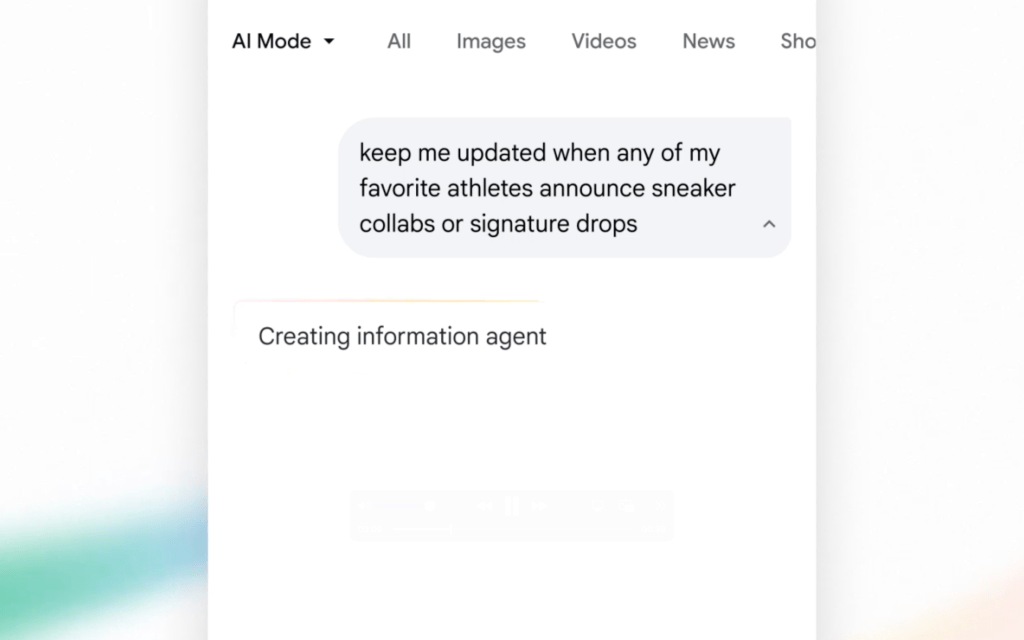
1. Access AI Mode: Open the AI Mode in Google Search.
2. Set Up Alerts: Enter a prompt such as, Keep me updated on nearby movie tickets for ‘The Mandalorian and Grogu.’
3. Receive Notifications: When relevant information becomes available, the Google app will send a push notification.
4. Manage Topics: View and adjust your active tracked topics in your AI Mode history, allowing for refinement or deactivation of alerts.
Availability and Subscription Details
Google plans to roll out information agents in the summer of 2026. Initially, the feature will be available to Google AI Pro and Ultra subscribers in the U.S., with subsequent expansion to additional markets.
Complementary Enhancements in Google Search
Alongside the introduction of information agents, Google has announced a significant redesign of its Search interface:
– Intelligent Search Box: This reimagined feature supports longer, more conversational queries, marking the most substantial change to Search in over 25 years.
– AI-Powered Query Suggestions: Moving beyond traditional autocomplete, this system assists users in crafting nuanced and context-aware searches.
Implications for Users
The integration of AI agents into Google Search represents a paradigm shift in information retrieval:
– Enhanced Personalization: Users receive content tailored to their specific interests, reducing information overload.
– Increased Efficiency: Automated monitoring and notifications save time and effort, streamlining the search process.
– Proactive Engagement: The system anticipates user needs, delivering relevant information without explicit queries.
Conclusion
Google’s introduction of AI-driven information agents marks a transformative moment in the evolution of search technology. By shifting from reactive to proactive information delivery, these agents offer users a more personalized, efficient, and engaging experience. As this feature becomes available, it is poised to redefine how individuals interact with information in the digital age.