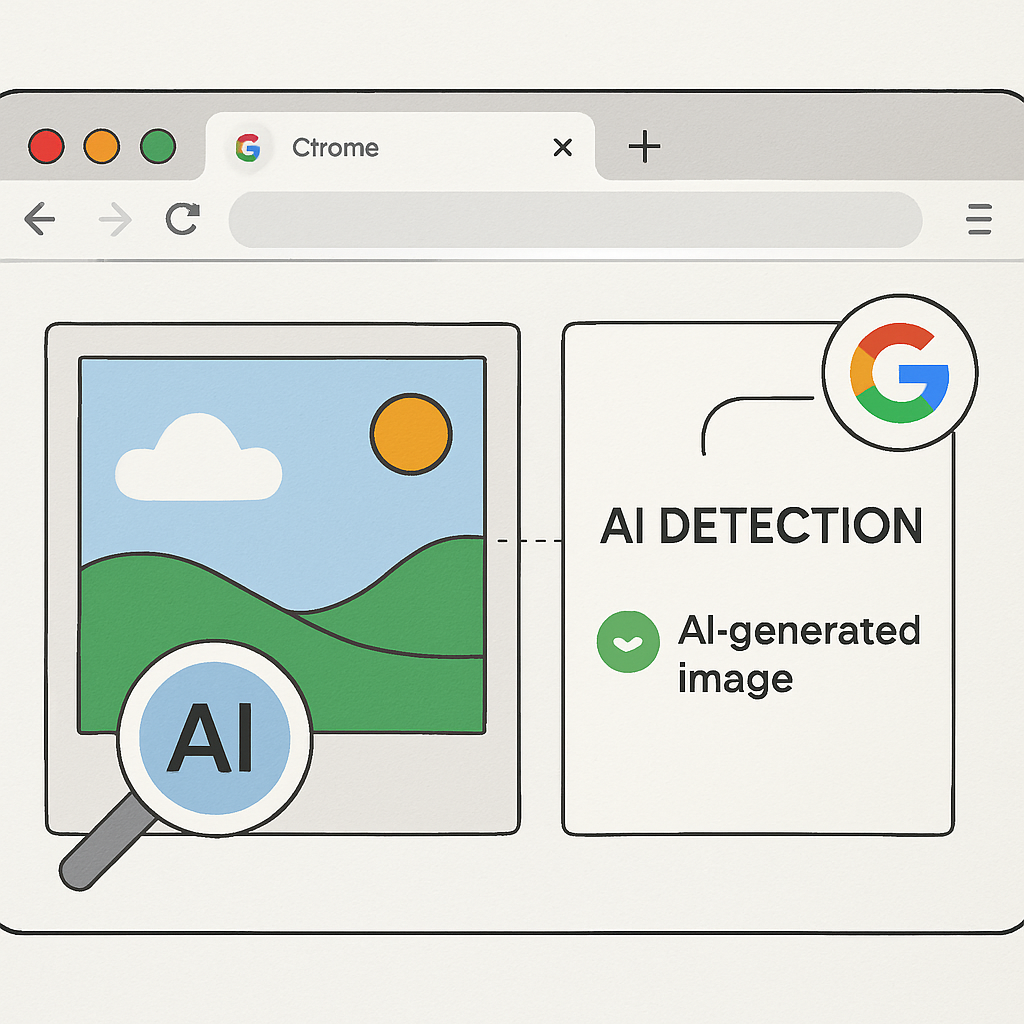
In response to the proliferation of AI-generated content, Google is enhancing its platforms with advanced detection capabilities. As reported by 9to5Google, the company is expanding its SynthID verification tools to Google Search and Chrome, enabling users to identify AI-generated images, videos, and audio more effectively.
Previously, SynthID allowed users to verify content through Gemini, Google’s AI model. Now, this functionality extends to Search features like Lens, AI Mode, and Circle to Search. Users can inquire about an image’s origins, and Gemini will analyze metadata—including camera details and editing history—to determine if AI was involved. Chrome users can expect similar features in the coming weeks.
Central to this initiative is the adoption of C2PA Content Credentials, an industry standard that Google has supported for some time. Starting with the Pixel 10 series, photos taken with the native camera app include these credentials, facilitating AI verification. This support is now expanding to video capture on Pixel 8 devices and newer models. Additionally, SynthID has partnered with companies like Nvidia, OpenAI, Kakao, and ElevenLabs to broaden the scope of AI content detection.
Google is also collaborating with content creation platforms to integrate these detection tools. Through Google Cloud’s Gemini Enterprise Agent Platform, businesses can identify AI-generated content from various models, including Google’s own. Partners in this endeavor include Shutterstock, Avid, and Canva, though Adobe is notably absent from the list.
Furthermore, Google’s partnership with Meta ensures that authentic photos and videos posted to Instagram from Pixel devices are recognized and labeled accordingly, helping creators avoid unwarranted accusations of using generative AI.
By embedding AI detection tools directly into widely used platforms like Search and Chrome, Google aims to provide users with greater transparency and trust in the content they encounter online. This move reflects a growing industry trend toward accountability in the era of AI-generated media.
Source: 9to5Google