Apple Introduces Alternative App Marketplaces in Brazil with iOS 26.5 Update
In a significant development for Brazilian iPhone users, Apple has introduced a new feature in the iOS 26.5 update that allows the selection of alternative app marketplaces beyond the traditional App Store. This change follows a settlement with Brazil’s Administrative Council for Economic Defense (CADE), the nation’s competition authority, addressing concerns over Apple’s App Store policies.
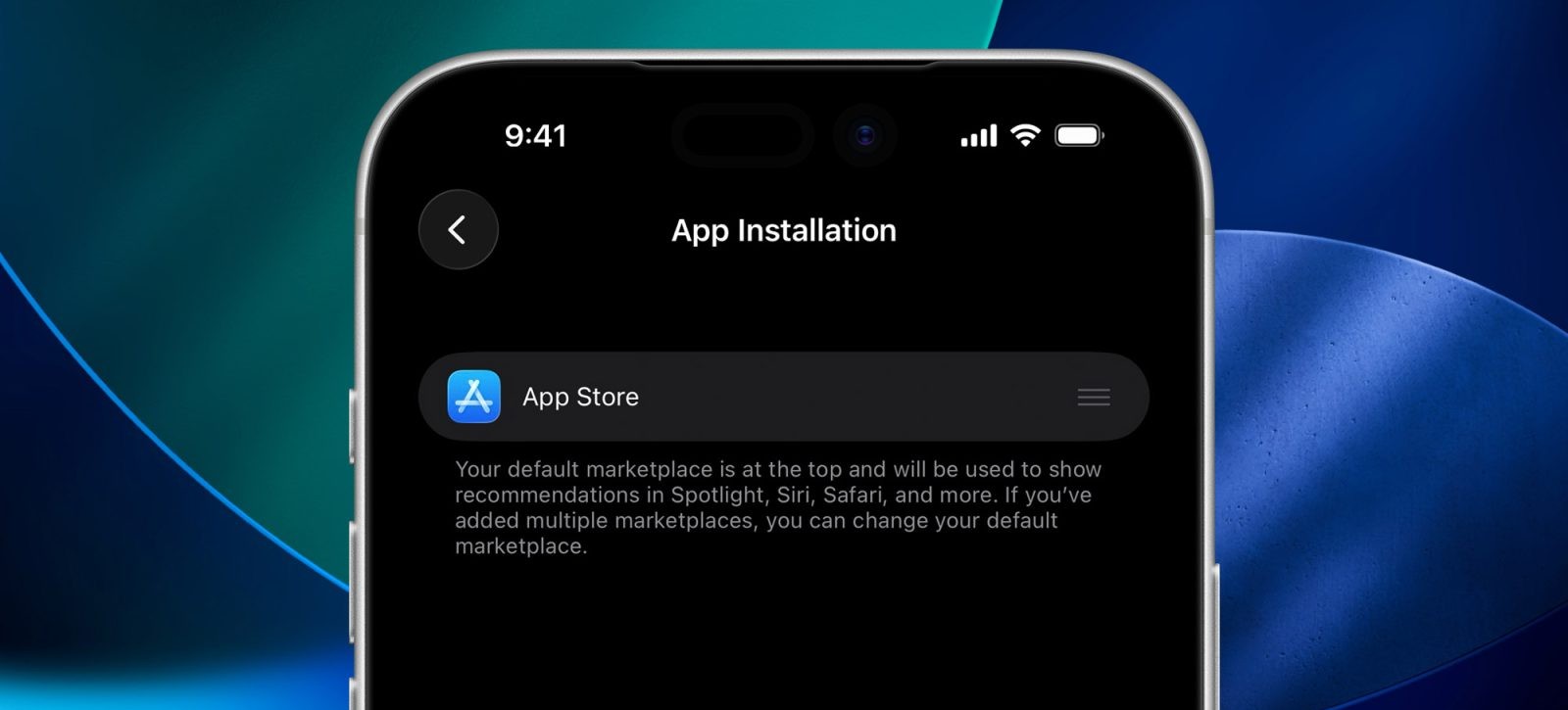
New ‘App Installation’ Setting
The latest iOS 26.5 update includes an App Installation option located under Settings > Apps. This feature enables users to manage their default app marketplace preferences, including the selection of platforms for opening web links, sending emails, and making contactless payments. Currently, the App Store is the only available option, but the inclusion of this setting indicates forthcoming support for alternative app stores.
Apple’s description of the setting states:
> Your default marketplace is at the top and will be used to show recommendations in Spotlight, Siri, Safari, and more. If you’ve added multiple marketplaces, you can change your default marketplace.
This suggests that users will soon have the ability to choose their preferred app distribution platforms, marking a departure from Apple’s historically exclusive App Store model.
Background and Regulatory Context
The introduction of this feature is a direct response to CADE’s mandate requiring Apple to permit app distribution through alternative stores. This decision emerged from an antitrust investigation initiated in 2022 after a complaint by Latin American e-commerce giant MercadoLibre, which accused Apple of monopolistic practices concerning app distribution and payment processing.
In May 2025, CADE upheld its order against Apple, emphasizing the need for more flexible app distribution methods to foster competition and innovation within Brazil’s digital marketplace. Apple’s compliance with this order reflects a broader trend of tech companies adapting to regional regulatory requirements.
Implementation and User Experience
While the App Installation setting currently lists only the App Store, its presence indicates that support for alternative app marketplaces is imminent. Users can anticipate a more personalized app discovery experience, with recommendations in Spotlight, Siri, and Safari tailored to their chosen default marketplace.
This development aligns with global movements towards app sideloading and alternative distribution methods. For instance, in the European Union, the Digital Markets Act has prompted similar changes, leading to the emergence of platforms like AltStore PAL, which offers third-party apps to iOS users.
Financial Implications for Developers
Under the agreement with CADE, Apple will implement new fee structures for alternative app distribution and payment processing in Brazil. The terms include:
– App Store Commission: A 25% commission on app sales, reduced to 10% for developers in special programs.
– In-App Purchase Fee: An additional 5% fee when developers utilize Apple’s in-app purchase system.
– External Payment Links: No fee for static text directing users to external payment options; however, a 15% commission applies when active links or buttons are used.
– Core Technology Commission: A 5% fee for apps distributed through alternative app stores.
These financial terms aim to balance the interests of developers seeking alternative distribution methods with Apple’s infrastructure and security considerations.
Looking Ahead
Apple has yet to officially confirm the activation date for alternative app distribution in Brazil. However, the inclusion of the App Installation setting in iOS 26.5 suggests that the rollout is approaching. This move is expected to enhance user choice and stimulate competition within the Brazilian app market, potentially leading to a more diverse and innovative app ecosystem.
As the digital landscape continues to evolve, Apple’s adaptation to regional regulatory demands underscores the dynamic interplay between technology companies and governmental bodies worldwide.