The AI Skills Arms Race Reshapes the Automotive Industry
The automotive sector is undergoing a significant transformation as artificial intelligence (AI) becomes increasingly integral to its operations. This shift is not only altering vehicle technology but also redefining workforce dynamics within the industry.
General Motors’ Strategic Workforce Shift
General Motors (GM) has recently implemented a substantial restructuring within its Information Technology (IT) department. The company laid off over 10% of its IT staff, amounting to approximately 600 salaried employees. This move is part of a deliberate strategy to realign the company’s workforce with the evolving demands of AI and digital innovation. While this restructuring is not a direct one-to-one replacement, GM emphasizes its commitment to recruiting new talent with specialized AI expertise.
The company is particularly interested in professionals skilled in:
– AI-native development
– Data engineering and analytics
– Cloud-based engineering
– Agent and model development
– Prompt engineering
– Development of new AI workflows
GM’s objective is to onboard individuals capable of building AI systems from the ground up, encompassing system design, model training, and pipeline engineering, rather than merely utilizing AI as a tool for productivity enhancement.
Industry-Wide Employment Trends
The impact of AI on employment extends beyond GM. According to CNBC, Ford, GM, and Stellantis have collectively reduced their U.S. salaried workforce by over 20,000 positions, representing a 19% decrease from their combined employment peaks earlier this decade. While various factors contribute to these reductions, technological advancements, including the integration of AI, play a significant role.
AI Integration Across the Automotive Landscape
The automotive industry’s embrace of AI is evident, though the effectiveness of its implementation varies among companies. Some organizations are still navigating the complexities of AI integration, striving to harness its full potential.
Samsara’s Innovative Application of AI
Samsara, a company specializing in fleet management solutions, exemplifies a successful AI application. Over the past decade, Samsara has equipped millions of trucks with interior cameras for purposes such as driver monitoring, theft prevention, and liability management. Leveraging the vast data collected, Samsara has developed an AI model capable of detecting potholes and assessing their rate of deterioration. This innovative solution is being marketed to municipalities, with cities like Chicago already under contract.
Investment Trends in AI and Robotics
The surge in AI adoption has also influenced investment patterns within the automotive sector. Rivian’s spinoff, Mind Robotics, recently secured an additional $400 million in funding, following a $500 million raise just two months prior. This rapid accumulation of capital underscores the growing investor confidence in AI and robotics ventures.
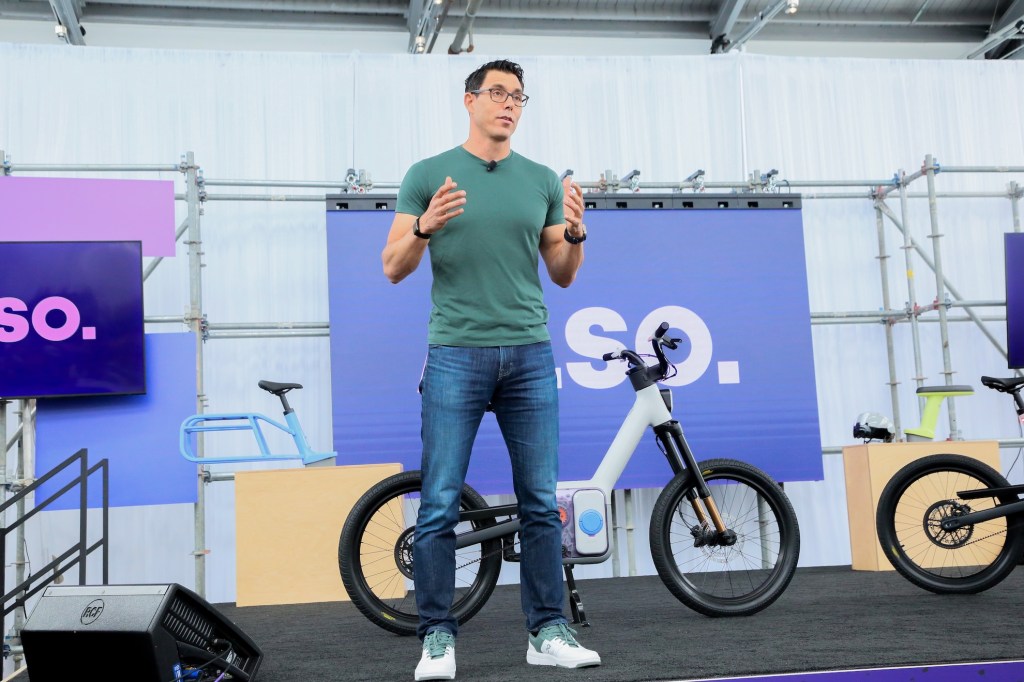
RJ Scaringe, the founder of Rivian, has demonstrated a remarkable ability to attract substantial investments. Collectively, his ventures—Also, Mind Robotics, and Rivian—have garnered approximately $12.3 billion in funding. This figure excludes the nearly $12 billion raised during Rivian’s initial public offering (IPO) and recent strategic partnerships with Volkswagen Group and Uber, which could contribute an additional $7 billion to Rivian’s financial resources.
The Competitive Landscape for AI Talent
The escalating demand for AI expertise has intensified competition for skilled professionals. Reports indicate that base salaries for individuals with specialized AI skills now range between $300,000 and $500,000. This trend reflects the high value placed on AI proficiency and the aggressive recruitment efforts by companies seeking to bolster their technological capabilities.
Conclusion
The automotive industry’s rapid integration of AI is reshaping both technological development and workforce composition. Companies like GM are proactively restructuring to align with this new paradigm, while others, such as Samsara, are leveraging AI to create innovative solutions with tangible benefits. As AI continues to permeate the sector, the competition for skilled talent is expected to remain fierce, underscoring the critical role of AI in driving the future of automotive innovation.