Tim Cook and Elon Musk Join President Trump on Strategic Visit to China
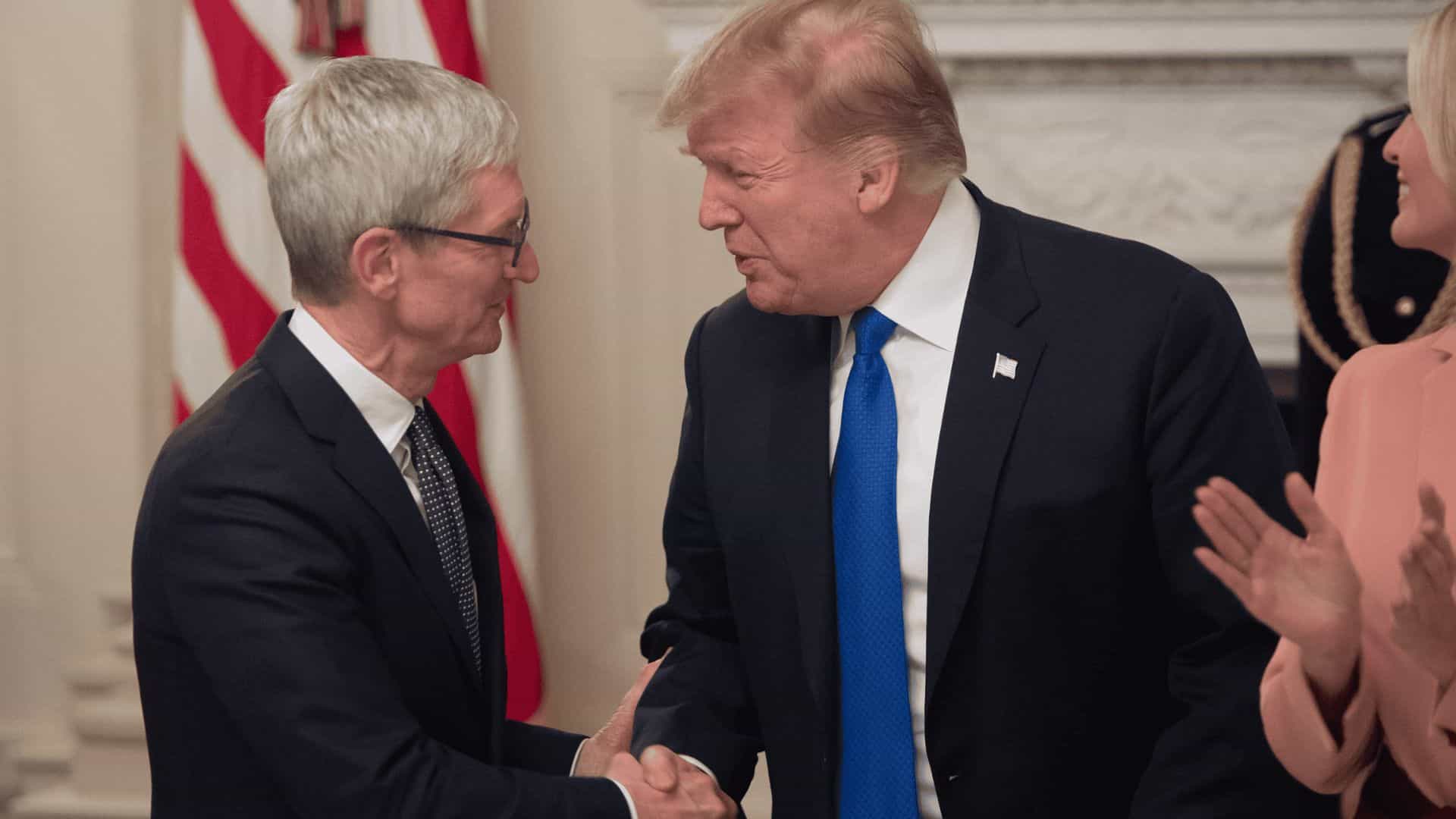
In a significant diplomatic and economic initiative, President Donald Trump embarked on a state visit to China from May 13 to 15, 2026. Accompanying him was a delegation of prominent U.S. business leaders, including Apple CEO Tim Cook and Tesla CEO Elon Musk. This visit aimed to address critical issues such as trade relations, technological collaboration, and geopolitical tensions, notably concerning Taiwan and the ongoing conflict in Iran.
High-Profile Delegation
The delegation comprised over a dozen top executives from leading American companies, underscoring the visit’s importance. Notable participants included:
– Tim Cook (Apple)
– Elon Musk (Tesla and SpaceX)
– Jensen Huang (Nvidia)
– Stephen Schwarzman (Blackstone)
– Larry Fink (BlackRock)
– Jane Fraser (Citigroup)
– David Solomon (Goldman Sachs)
– Kelly Ortberg (Boeing)
– Dina Powell McCormick (Meta Platforms)
Collectively, these executives represent companies with a combined net worth approaching $1 trillion, highlighting the substantial economic interests at stake.
Strategic Objectives
The primary goals of the visit included:
1. Trade Negotiations: Addressing ongoing trade disputes and seeking mutually beneficial agreements to enhance economic cooperation between the U.S. and China.
2. Technological Collaboration: Discussing partnerships in artificial intelligence and other emerging technologies, while navigating the complexities of export controls and intellectual property rights.
3. Geopolitical Issues: Engaging in dialogue over sensitive topics such as Taiwan’s status and the conflict in Iran, aiming to find common ground and reduce tensions.
Key Discussions and Outcomes
Taiwan Relations
During private discussions, Chinese President Xi Jinping cautioned President Trump about the potential for conflict over Taiwan. This led Trump to reconsider a proposed multi-billion-dollar U.S. arms sale to Taipei. While no definitive decision was made during the visit, Trump acknowledged the gravity of the issue and indicated a need for further deliberation.
Trade and Technology
Despite high expectations, the visit yielded limited concrete achievements in trade and technology sectors. A proposed deal involving the sale of Boeing jets to China did not materialize as anticipated, leading to a decline in Boeing’s stock value. Additionally, efforts to secure agreements for Nvidia’s H200 AI chips faced regulatory hurdles, reflecting the ongoing challenges in U.S.-China tech relations.
Geopolitical Tensions
The leaders discussed the conflict in Iran, with Trump claiming that Xi expressed support for preventing a nuclear Iran and offered assistance in achieving peace. However, Chinese officials emphasized the importance of multilateral solutions and did not confirm any specific commitments.
Symbolic Gestures
The visit was marked by symbolic gestures, such as President Xi presenting President Trump with flower seeds following a tour of Beijing’s Zhongnanhai temple. This act became emblematic of the trip’s lack of substantive outcomes, as tangible agreements remained elusive.
Implications for U.S.-China Relations
The visit underscored the complexities of U.S.-China relations, highlighting both the potential for cooperation and the persistent challenges. The inclusion of top business leaders signified the intertwined nature of economic and diplomatic interests. However, the absence of significant agreements pointed to the difficulties in bridging differences on critical issues.
Conclusion
President Trump’s visit to China, accompanied by influential business leaders like Tim Cook and Elon Musk, aimed to strengthen bilateral ties and address pressing economic and geopolitical concerns. While the trip facilitated important dialogues, the lack of concrete outcomes suggests that substantial work remains to achieve meaningful progress in U.S.-China relations.