Apple’s U.S. Chip Manufacturing Accelerates with TSMC’s $20 Billion Arizona Investment
In a significant move to bolster domestic semiconductor production, Taiwan Semiconductor Manufacturing Company (TSMC) has approved an additional $20 billion investment into its Arizona-based subsidiary. This capital injection aims to expand the Fab 21 facility, reinforcing TSMC’s commitment to establishing a robust manufacturing presence in the United States. ([tomshardware.com](https://www.tomshardware.com/tech-industry/semiconductors/tsmc-allocates-usd20-billion-to-arizona-expansion-project-faces-water-and-labor-shortages-complicated-by-visa-rules?utm_source=openai))
TSMC’s Expansion in Arizona
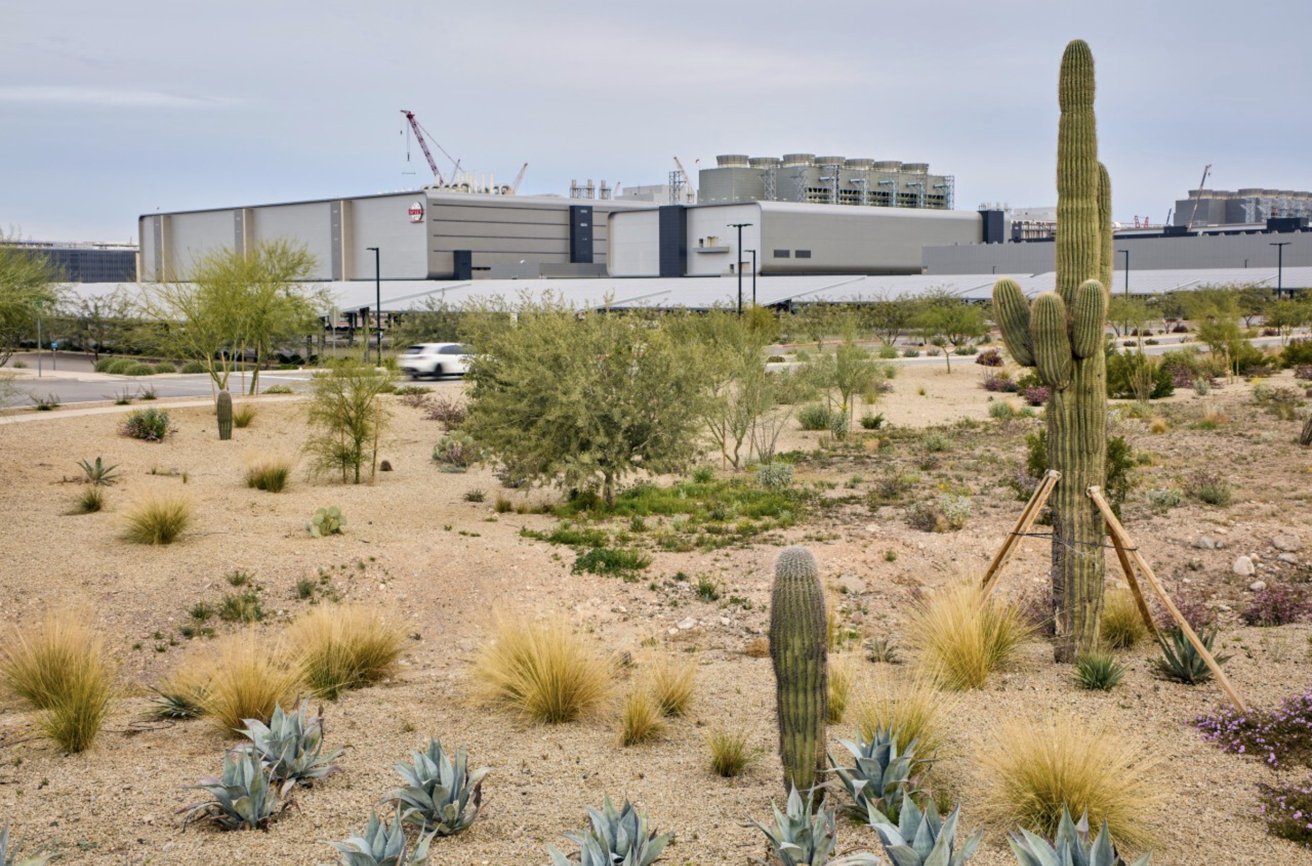
TSMC’s Arizona campus, sprawling over approximately 2,000 acres, is a cornerstone of the company’s global expansion strategy. The Fab 21 facility, encompassing 3.5 million square feet, is designed to produce 90,000 to 100,000 4-nanometer wafers. This expansion is part of TSMC’s broader $165 billion global investment plan, underscoring the company’s dedication to meeting the escalating demand for advanced semiconductors. ([appleinsider.com](https://appleinsider.com/articles/26/05/15/apples-us-chip-plan-gains-steam-thanks-to-20b-tsmc-investment?utm_source=openai))
Apple’s Role in Domestic Chip Production
Apple has been a pivotal player in the push for domestic chip manufacturing. The tech giant has committed to sourcing over 100 million chips from TSMC’s Arizona facility by the end of 2026. This partnership aligns with Apple’s broader strategy to re-shore more of its chip production, reducing reliance on overseas manufacturers and enhancing supply chain resilience. ([appleinsider.com](https://appleinsider.com/articles/26/05/15/apples-us-chip-plan-gains-steam-thanks-to-20b-tsmc-investment?utm_source=openai))
Challenges in the Arizona Project
Despite the substantial investment and progress, TSMC faces several challenges in Arizona:
– Water Scarcity: The arid climate of Arizona presents significant water supply issues, crucial for semiconductor manufacturing processes. TSMC is collaborating with local authorities to ensure a reliable water source for its operations. ([tomshardware.com](https://www.tomshardware.com/tech-industry/semiconductors/tsmc-allocates-usd20-billion-to-arizona-expansion-project-faces-water-and-labor-shortages-complicated-by-visa-rules?utm_source=openai))
– Labor Shortages: The company is grappling with a shortage of skilled labor necessary for the complex manufacturing processes involved in chip production. Efforts are underway to attract and train a workforce capable of meeting these demands. ([tomshardware.com](https://www.tomshardware.com/tech-industry/semiconductors/tsmc-allocates-usd20-billion-to-arizona-expansion-project-faces-water-and-labor-shortages-complicated-by-visa-rules?utm_source=openai))
– Visa Complications: Obtaining H-1B visas for essential foreign personnel has been challenging due to previous U.S. immigration policies. These hurdles have impacted the timely deployment of experienced staff to the Arizona facility. ([tomshardware.com](https://www.tomshardware.com/tech-industry/semiconductors/tsmc-allocates-usd20-billion-to-arizona-expansion-project-faces-water-and-labor-shortages-complicated-by-visa-rules?utm_source=openai))
– Regulatory Hurdles: TSMC is navigating regulatory challenges related to electricity supply and environmental compliance, which are critical for the stable operation and growth of the site. ([tomshardware.com](https://www.tomshardware.com/tech-industry/semiconductors/tsmc-allocates-usd20-billion-to-arizona-expansion-project-faces-water-and-labor-shortages-complicated-by-visa-rules?utm_source=openai))
Strategic Partnerships and Future Outlook
To mitigate some of these challenges, TSMC is encouraging Taiwanese suppliers of semiconductor materials and equipment to establish operations near the Arizona fab. This strategy aims to create a localized supply chain, enhancing efficiency and reducing logistical complexities. However, realizing this plan may require adjustments to Taiwan’s investment regulations. ([tomshardware.com](https://www.tomshardware.com/tech-industry/semiconductors/tsmc-allocates-usd20-billion-to-arizona-expansion-project-faces-water-and-labor-shortages-complicated-by-visa-rules?utm_source=openai))
In parallel, Apple has announced a $500 billion U.S. investment plan, which includes significant expansion of its domestic manufacturing and research capabilities. This plan encompasses the construction of new facilities and the creation of thousands of jobs, further solidifying the U.S. as a hub for advanced technology manufacturing. ([macrumors.com](https://www.macrumors.com/2025/02/24/apple-announces-500b-us-investment-plan/?utm_source=openai))
Conclusion
TSMC’s substantial investment in its Arizona facility marks a pivotal step in strengthening the U.S. semiconductor industry. While challenges persist, the collaboration between TSMC and Apple, coupled with strategic investments and partnerships, positions the United States to play a more significant role in global chip manufacturing. This initiative not only addresses current supply chain vulnerabilities but also sets the stage for future technological advancements and economic growth.