OpenAI’s AI-Driven Smartphone Set to Challenge Industry Norms by 2027
OpenAI is accelerating its efforts to develop a groundbreaking smartphone, aiming for mass production in the first half of 2027. This ambitious timeline positions OpenAI to directly compete with established industry leaders like Apple, signaling a transformative shift in mobile technology.
A New Era of AI-Centric Mobile Devices
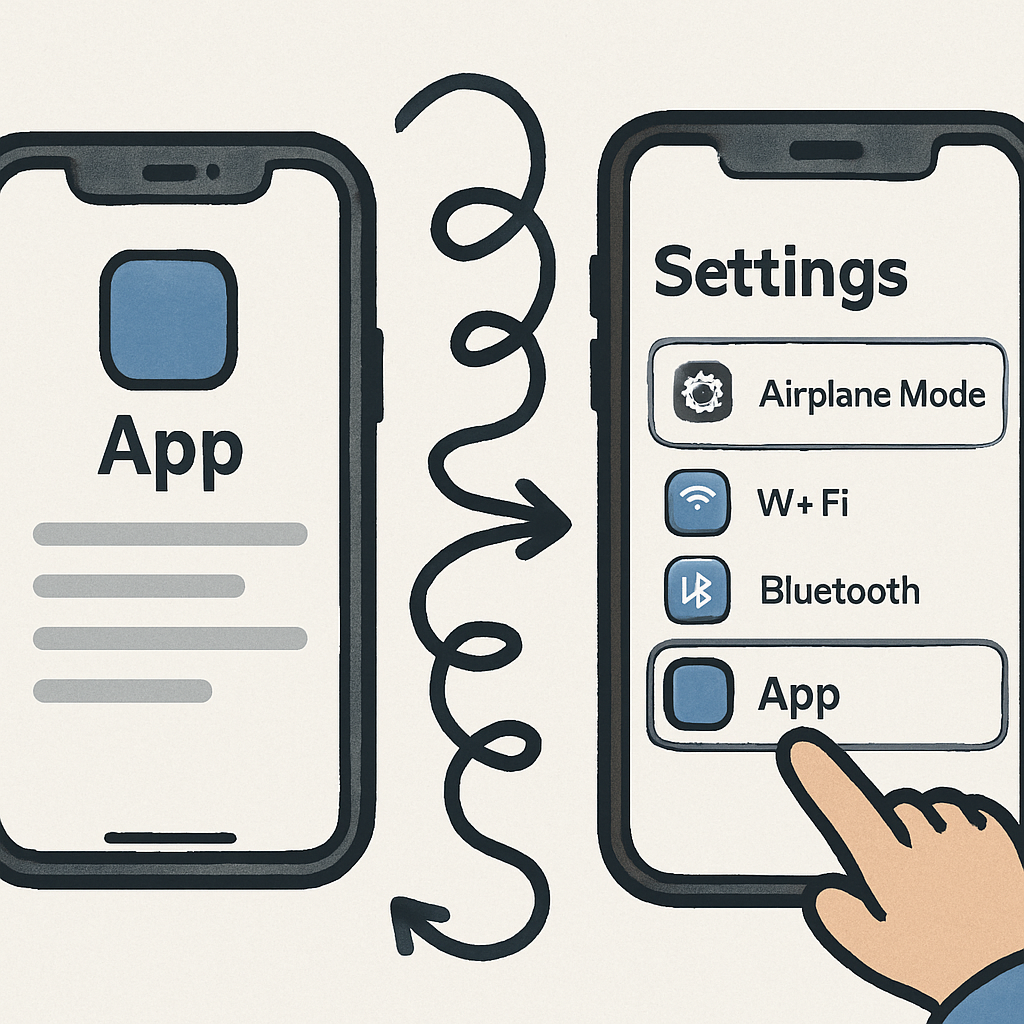
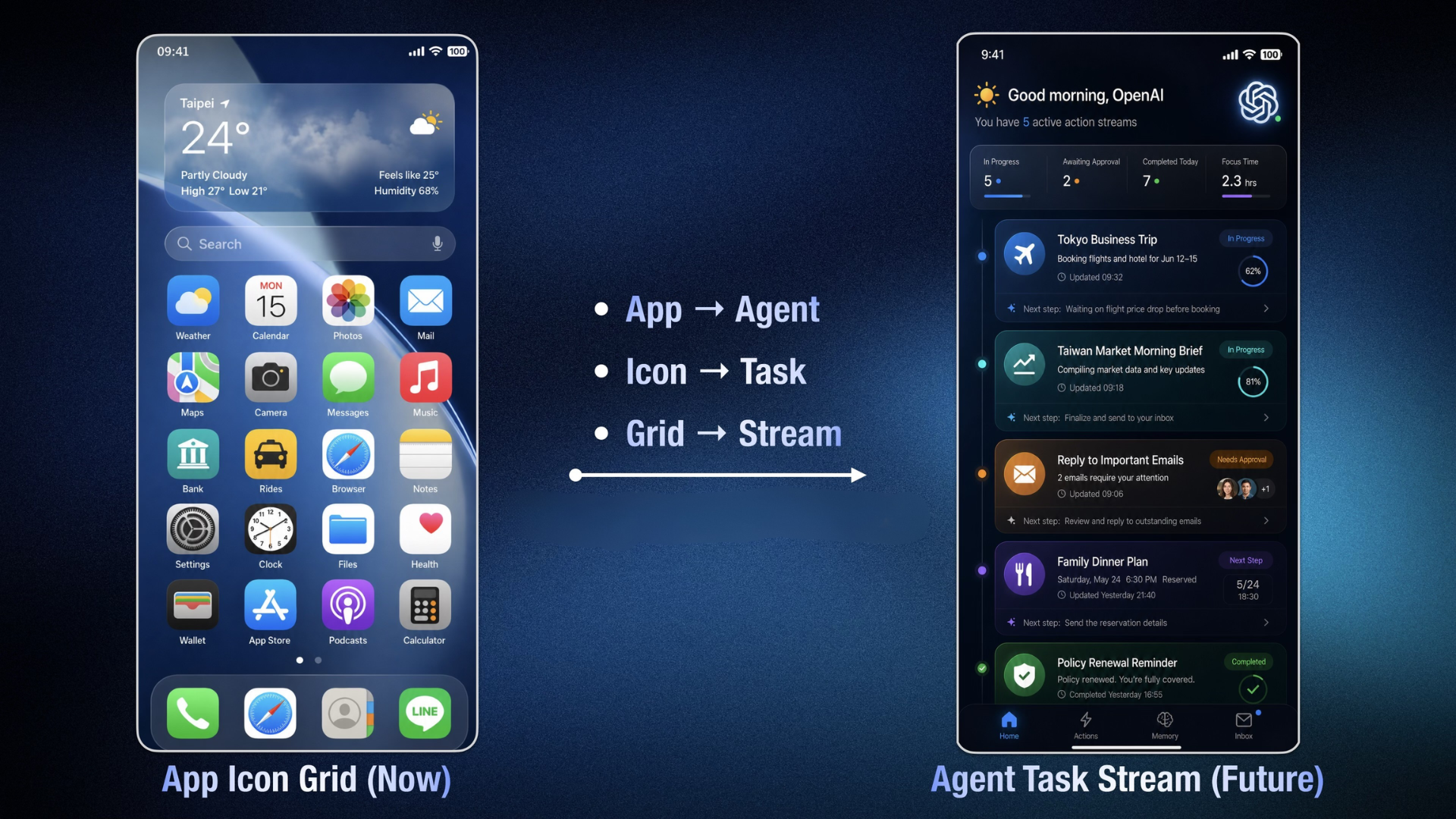
Unlike traditional smartphones that rely heavily on app-based interactions, OpenAI’s forthcoming device is designed to prioritize artificial intelligence at its core. This approach suggests a departure from conventional user interfaces, moving towards a more intuitive, AI-driven experience that could redefine user engagement with mobile devices.
Strategic Partnerships and Advanced Hardware
Renowned analyst Ming-Chi Kuo has provided insights into OpenAI’s strategic collaborations and hardware specifications. The company is reportedly working closely with MediaTek to develop a customized version of the Dimensity 9600 processor, utilizing TSMC’s advanced N2P node technology. This partnership underscores OpenAI’s commitment to integrating cutting-edge hardware to support its AI-centric vision.
Key hardware features of the device include:
– Dual-NPU Architecture: This setup is designed to handle complex AI computations locally, enhancing performance and responsiveness.
– Enhanced Image Signal Processor (ISP): The device will feature an improved HDR pipeline, facilitating superior real-world visual sensing capabilities.
– Advanced Memory Solutions: Incorporating LPDDR6 and UFS 5.0 technologies aims to alleviate memory bottlenecks, ensuring smooth operation.
– Robust Security Measures: Implementing pKVM and inline hashing techniques will bolster device security, protecting user data and privacy.
Kuo’s projections indicate that if development proceeds as planned, combined shipments for 2027 and 2028 could reach approximately 30 million units, reflecting significant market potential.
Redefining User Interfaces and Operating Systems
OpenAI CEO Sam Altman has emphasized the need to rethink traditional operating systems and user interfaces. He envisions a future where AI agents play a central role in user interactions, reducing the need for manual input and streamlining tasks through contextual understanding and automation. This perspective aligns with the development of an AI agent phone that prioritizes seamless, intelligent user experiences over conventional app-based functionalities.
Implications for the Smartphone Industry
OpenAI’s initiative represents more than just the introduction of a new smartphone; it signifies the potential emergence of a new category of devices where AI serves as the primary interface. By targeting a 2027 launch, OpenAI aims to enter the market at a time when consumers are increasingly embracing AI-driven technologies. This strategic timing could position OpenAI as a formidable competitor, challenging existing paradigms and influencing how users interact with their mobile devices.
Conclusion
OpenAI’s accelerated development of an AI-centric smartphone underscores the company’s commitment to innovation and its vision for the future of mobile technology. By integrating advanced hardware and reimagining user interfaces, OpenAI is poised to introduce a device that could redefine industry standards and user expectations. As the 2027 launch approaches, the tech community eagerly anticipates further details on how this AI-driven smartphone will shape the next generation of mobile experiences.