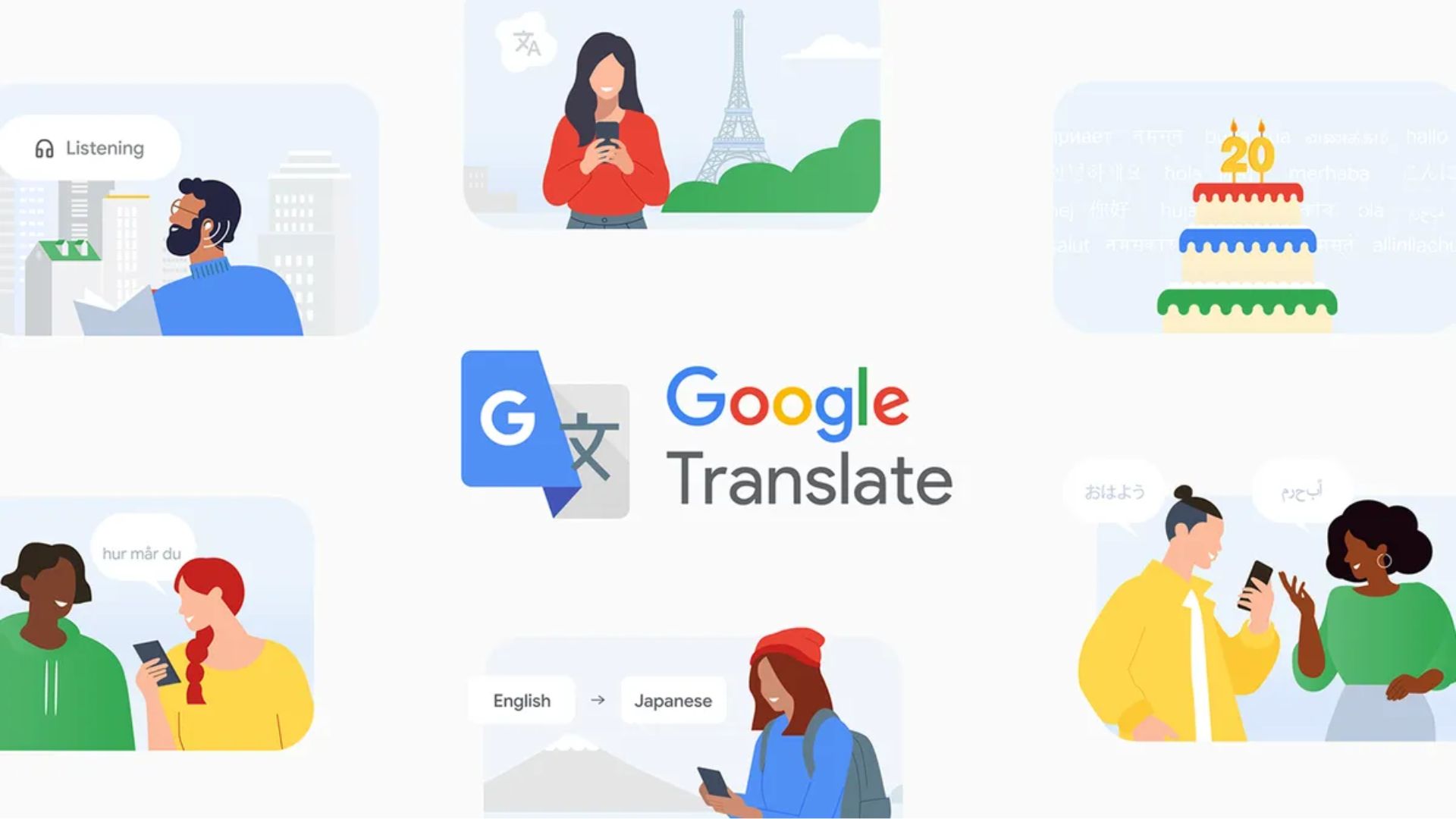
Google Translate, the widely-used language translation service, is commemorating its 20th anniversary this month. From its inception as a basic web tool, it has evolved into an indispensable platform facilitating global communication for billions. To celebrate this significant milestone, Google has introduced a new pronunciation practice feature aimed at enhancing users’ spoken language skills.
Introducing the Pronunciation Practice Tool
Mastering the pronunciation of a new language often presents a greater challenge than reading or writing it. Recognizing this, Google Translate has integrated a pronunciation practice tool directly into its app. Now, when users translate a phrase, a microphone icon appears next to the translation. By tapping this icon, users can speak the translated phrase aloud. The app then analyzes the spoken input, providing feedback on pronunciation accuracy and highlighting specific syllables that may need improvement.
Two Decades of Breaking Language Barriers
Since its launch, Google Translate has significantly expanded its capabilities. Initially supporting only a few languages with limited accuracy, it now offers translations across hundreds of languages and dialects. The service has also introduced offline functionality, allowing users to access translations without an internet connection—a boon for travelers and those in areas with limited connectivity. The addition of the pronunciation practice tool marks another step in Google’s ongoing commitment to breaking down language barriers and fostering effective communication worldwide.
Looking Ahead
As Google Translate enters its third decade, the focus remains on enhancing user experience and expanding its features. The new pronunciation tool not only aids in learning correct pronunciation but also builds users’ confidence in speaking new languages. This development underscores Google’s dedication to leveraging technology to bridge communication gaps and promote global understanding.