Amazon’s Cloud Business Soars Amidst AI Boom, Driving Massive Capital Investments
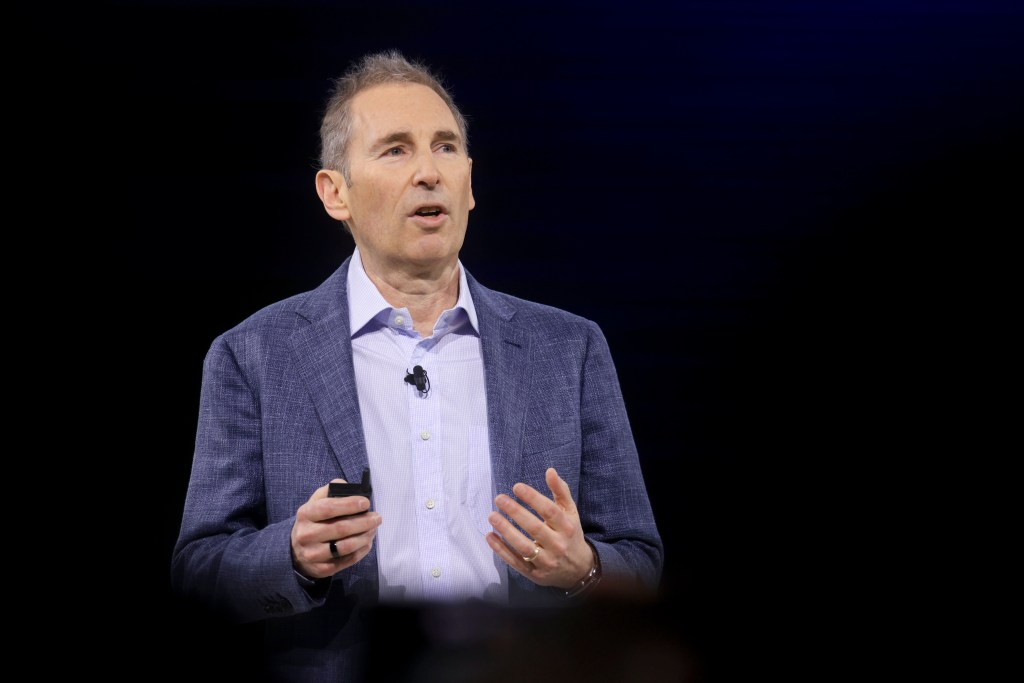
Amazon has recently reported a significant surge in its cloud computing division, Amazon Web Services (AWS), highlighting the company’s pivotal role in the ongoing artificial intelligence (AI) revolution. In the first quarter of 2026, AWS achieved a remarkable 28% year-over-year increase in net sales, reaching $37.6 billion. This marks the fastest growth rate for AWS in 15 quarters, as noted by Amazon’s President and CEO, Andy Jassy, during the company’s earnings call.
Jassy attributed this impressive growth to AWS’s critical role in providing computational resources essential for AI development. He emphasized the unprecedented pace at which AI technology is advancing and how AWS has become a preferred choice for companies seeking AI capabilities. To illustrate this growth, Jassy compared the current expansion to the early days of AWS, noting that three years after its initial launch, AWS had a revenue run rate of $58 million. In contrast, during the first three years of the current AI wave, AWS’s AI revenue run rate has skyrocketed to over $15 billion, nearly 260 times larger.
This rapid expansion has necessitated substantial capital investments to bolster AWS’s infrastructure. Jassy indicated that capital expenditure growth is expected to continue in the near term to support this accelerated growth. He explained that as AWS grows faster, more short-term capital expenditures are required for land, power, buildings, chips, servers, and networking gear, all of which are essential to monetize the services provided.
These investments are viewed as short-term cash outflows aimed at achieving long-term gains. The capital expenditures fund assets such as data centers, which have a lifespan exceeding 30 years, and hardware components like chips, servers, and networking equipment, which typically last five to six years.
Despite the substantial spending on infrastructure, Jassy sought to reassure investors by highlighting the long-term benefits of these investments. He acknowledged that during periods of high growth, where capital expenditure growth significantly outpaces revenue growth, free cash flow may be challenged in the early years. However, he expressed confidence that, similar to previous growth cycles, this investment strategy would yield substantial downstream revenue and free cash flow in the future.
Amazon’s overall sales also demonstrated strong performance, with a 17% increase to $181.5 billion on a year-over-year basis. Sales in North America grew by 12%, while international sales saw a 19% increase.
The AI boom has significantly contributed to AWS’s growth, as companies increasingly rely on cloud services to develop and deploy AI applications. AWS’s ability to provide scalable and reliable infrastructure has positioned it as a leader in the cloud computing market, attracting a diverse range of clients seeking to leverage AI technologies.
To meet the growing demand for AI capabilities, Amazon has been making strategic investments in AI infrastructure. In February 2025, the company announced a massive $100 billion spending plan for AI, with the majority allocated to enhancing AWS’s AI capabilities. This investment underscores Amazon’s commitment to maintaining its competitive edge in the rapidly evolving AI landscape.
Furthermore, Amazon has been actively forming partnerships to strengthen its position in the AI sector. In April 2026, the company invested an additional $5 billion in Anthropic, an AI research organization, bringing its total investment to $13 billion. In return, Anthropic committed to spending over $100 billion on AWS services over the next decade, securing up to 5 gigawatts of new computing capacity to train and run its AI models.
These strategic moves reflect Amazon’s dedication to staying at the forefront of AI development and its recognition of the critical role that cloud infrastructure plays in supporting AI initiatives. By investing heavily in both infrastructure and partnerships, Amazon aims to solidify AWS’s position as a leading provider of AI-ready cloud services.
In conclusion, Amazon’s cloud business is experiencing unprecedented growth, driven by the surging demand for AI capabilities. The company’s substantial capital investments in infrastructure and strategic partnerships underscore its commitment to supporting the AI revolution and maintaining its leadership in the cloud computing market. As AI continues to evolve and permeate various industries, AWS’s role as a foundational platform for AI development is expected to become increasingly vital.