Apple’s Dominance in Satellite-Enabled Smartphones: A Market Poised for Expansion
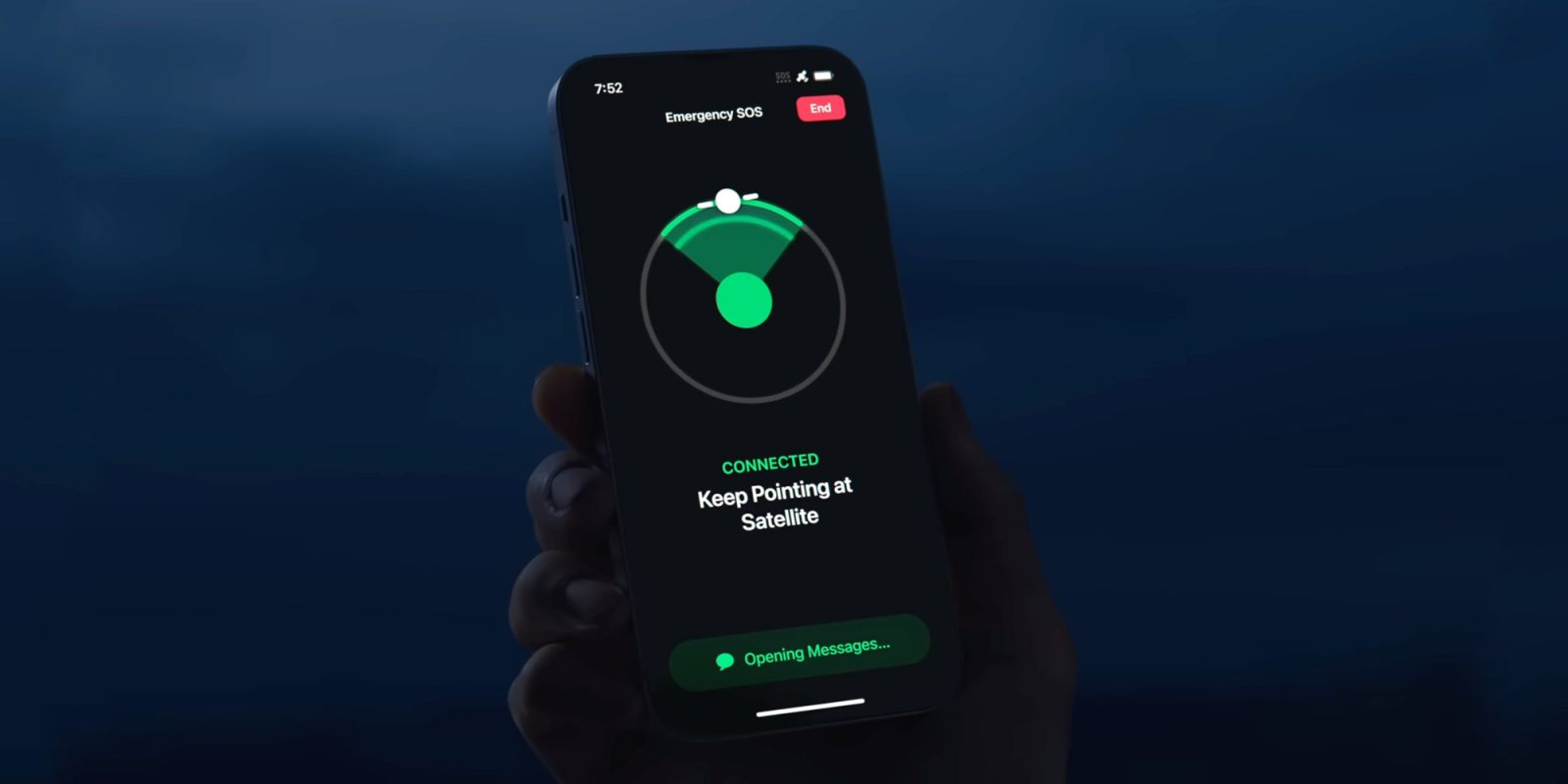
In 2025, Apple solidified its leadership in the satellite-enabled smartphone sector, accounting for 71.6% of global shipments, as reported by Counterpoint Research. This significant market share underscores Apple’s commitment to integrating satellite connectivity into its devices, a feature that has become increasingly relevant in today’s interconnected world.
Current Market Landscape
The satellite-enabled smartphone market is currently characterized by two distinct approaches:
1. Proprietary Satellite Systems: Companies such as Apple, Huawei, and Google have developed their own satellite infrastructures. This strategy allows for seamless integration of satellite services tailored specifically to their devices, ensuring optimal performance and user experience.
2. 3GPP Non-Terrestrial Networks (NTN) Standards: Conversely, manufacturers like Samsung, Xiaomi, OPPO, HONOR, and vivo are aligning with emerging 3GPP NTN standards. This approach aims to transform satellites into extensions of existing cellular networks, promoting broader interoperability and scalability across different devices and platforms.
Challenges to Widespread Adoption
Despite Apple’s dominance, the broader adoption of satellite-enabled smartphones faces several challenges:
– Limited Use Cases: Currently, satellite connectivity is primarily utilized for emergency services and basic messaging. The absence of compelling applications beyond these functions has hindered mass adoption.
– Premium Segment Focus: The market is predominantly driven by high-end devices. To achieve widespread adoption, satellite connectivity must extend to mid-tier smartphones, making the technology accessible to a larger consumer base.
Counterpoint Research highlights that while 3GPP Release 17 focuses on SOS and messaging capabilities, the forthcoming Release 18 is expected to enhance adoption among premium brands. However, significant penetration into mid-priced devices is anticipated only with the advent of Release 19.
Advancements in Chipset Integration
The integration of satellite connectivity at the chipset level is crucial for the scalability and performance of these devices. Qualcomm has been a pioneer in this area, introducing satellite support through its Snapdragon X80 and X85 modems. Other industry players, including Huawei, Google, and Samsung, are also making strides in this domain. MediaTek is advancing NTN integration with its MT6825 5G SoC. Increased participation from chipset manufacturers is expected to foster competition and drive the scalability of satellite-enabled smartphones.
Strategic Partnerships and Regional Developments
Collaborations between telecom operators and satellite service providers are instrumental in facilitating early adoption of satellite connectivity. Notable partnerships include:
– T-Mobile and Rogers with SpaceX: These alliances aim to leverage SpaceX’s satellite network to enhance coverage and service offerings.
– AT&T with AST Mobile: This partnership focuses on integrating satellite services to provide comprehensive connectivity solutions.
– Apple with Globalstar: Apple’s collaboration with Globalstar, now under Amazon’s ownership, underscores its commitment to delivering reliable satellite services to its users.
These strategic alliances position North America as a frontrunner in the adoption of satellite-enabled smartphones. In contrast, telecom operators in regions like Europe and China are adopting a more cautious approach. Nevertheless, satellite operators are proactively increasing capacity to cater to the anticipated mass market demand.
Future Outlook
Looking ahead, Counterpoint Research projects that by 2030, 46% of smartphones will feature satellite connectivity. Apple, Google, and Samsung are expected to lead in terms of overall penetration. The expansion of satellite connectivity into mid-tier devices, coupled with the development of compelling use cases beyond emergency services, will be pivotal in driving mass adoption. Additionally, the active participation of more Android manufacturers and telecom operators, especially in emerging markets, will play a crucial role in accelerating global adoption.
Conclusion
Apple’s current dominance in the satellite-enabled smartphone market is a testament to its innovative approach and strategic partnerships. However, the path to widespread adoption requires addressing existing challenges, including expanding use cases, integrating satellite connectivity into mid-tier devices, and fostering industry-wide collaboration. As technology evolves and market dynamics shift, the satellite-enabled smartphone sector is poised for significant growth, offering enhanced connectivity solutions to users worldwide.