Neurable’s Non-Invasive Brain-Computer Interface Technology Set to Transform Consumer Wearables
In a significant advancement for brain-computer interface (BCI) technology, Neurable, a pioneering startup in the field, has announced plans to license its innovative mind-reading technology to consumer wearable manufacturers. This strategic move aims to integrate Neurable’s non-invasive BCI solutions into a wide array of consumer products, potentially revolutionizing industries such as health, fitness, productivity, and gaming.
Understanding Neurable’s Non-Invasive BCI Technology
Unlike invasive BCI systems that require surgical implantation of devices into the brain, Neurable’s approach is entirely non-invasive. The company’s technology utilizes electroencephalography (EEG) sensors to detect neural activity from the scalp. These sensors capture brain signals, which are then processed using advanced artificial intelligence algorithms to interpret cognitive states and intentions. This method allows users to interact with devices and applications through thought alone, without the need for physical input or invasive procedures.
Strategic Licensing for Broad Integration
Neurable’s decision to license its technology marks a significant shift from developing standalone products to enabling other companies to incorporate BCI capabilities into their existing hardware. This licensing model allows original equipment manufacturers (OEMs) to embed Neurable’s AI-driven brain-sensing technology into various consumer wearables, including headphones, hats, glasses, and headbands. By doing so, OEMs can maintain full control over product design, user experience, and distribution channels while offering innovative, mind-controlled features to their customers.
Existing Partnerships and Proven Applications
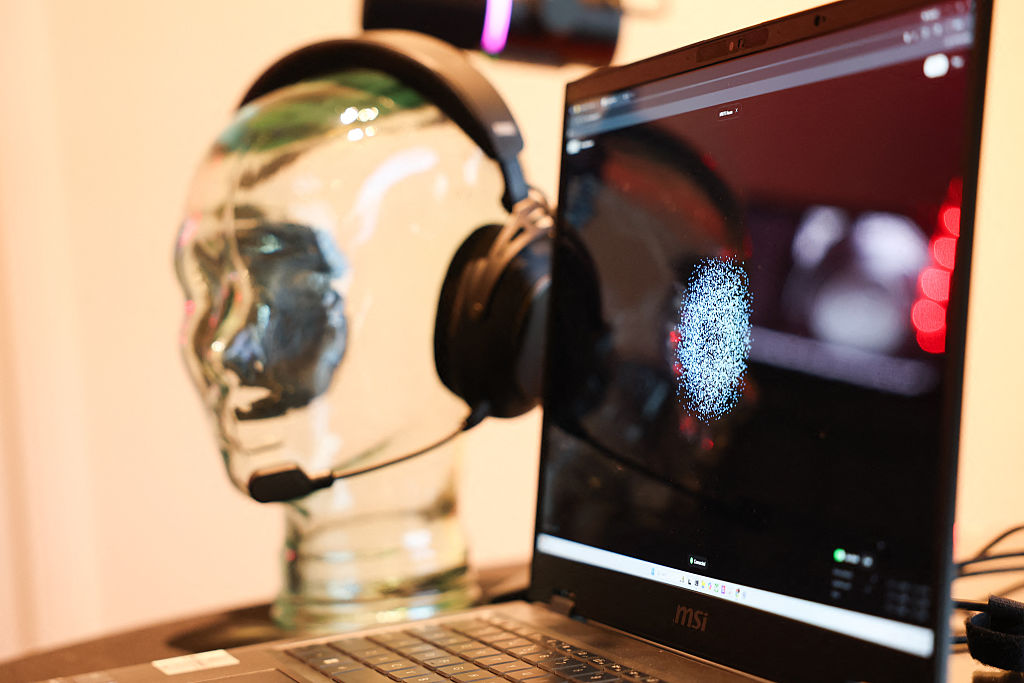
Neurable has already established partnerships to demonstrate the practical applications of its technology. A notable collaboration with HP Inc.’s gaming brand, HyperX, led to the development of a headset designed to enhance gamers’ focus and performance by monitoring and optimizing cognitive states. Additionally, Neurable has partnered with iMotions, a software platform specializing in human behavior research, to support various research initiatives. These collaborations underscore the versatility and effectiveness of Neurable’s BCI technology across different domains.
Financial Backing and Future Prospects
In December, Neurable secured $35 million in a Series A funding round, aimed at scaling the commercialization of its technology. This substantial investment reflects strong confidence in Neurable’s potential to lead the non-invasive BCI market. The company’s CEO, Ramses Alcaide, emphasized the goal of making brain-sensing technology as ubiquitous as heart rate sensors in consumer wearables. By expanding partnerships and licensing agreements, Neurable aims to integrate its technology into a broad spectrum of products, thereby enhancing user experiences through cognitive insights and control.
Privacy and Data Security Considerations
As BCI technology involves the collection and analysis of neural data, privacy and data security are paramount concerns. Neurable is committed to protecting user data by adhering to stringent standards, including compliance with the Health Insurance Portability and Accountability Act (HIPAA). The company ensures that all data is encrypted and anonymized, and any use of neural data for training AI models is conducted with explicit user consent. This approach aims to build trust and address potential ethical concerns associated with mind-reading technologies.
The Evolving BCI Landscape
Neurable’s initiative comes at a time when the BCI industry is experiencing rapid growth and innovation. Competitors like Elon Musk’s Neuralink are developing invasive BCI systems that require surgical implantation, while other startups are exploring non-invasive methods. For instance, Chinese startup Gestala recently raised $21 million to develop non-invasive ultrasound-based BCI technology. Additionally, Meta (formerly Facebook) has been working on neural interfaces for its augmented reality glasses, indicating a broad interest in integrating BCI technology into consumer products.
Implications for Consumer Wearables
The integration of Neurable’s BCI technology into consumer wearables has the potential to transform how users interact with their devices. In the health and fitness sector, wearables equipped with BCI capabilities could monitor cognitive states to optimize workout routines and mental well-being. Productivity tools could leverage brain-sensing technology to enhance focus and efficiency, while gaming devices could offer more immersive experiences by responding to players’ mental states in real-time.
Challenges and Future Directions
Despite the promising prospects, several challenges remain in the widespread adoption of BCI technology. Ensuring the accuracy and reliability of neural signal interpretation is critical, as is addressing privacy concerns and ethical considerations. Additionally, user acceptance will depend on the seamless integration of BCI features into existing devices without compromising comfort or usability.
Looking ahead, Neurable’s licensing strategy positions the company to play a pivotal role in the mainstream adoption of non-invasive BCI technology. By collaborating with established consumer brands, Neurable aims to make mind-controlled interactions a standard feature in everyday devices, potentially reshaping the landscape of human-computer interaction.
Conclusion
Neurable’s announcement to license its non-invasive BCI technology to consumer wearable manufacturers marks a significant milestone in the commercialization of mind-reading technologies. By enabling seamless integration into a variety of products, Neurable is poised to revolutionize industries ranging from health and fitness to gaming and productivity. As the BCI industry continues to evolve, Neurable’s innovative approach and strategic partnerships position it at the forefront of this transformative field.