Perplexity CEO Highlights iPhone’s Growing Significance Amid AI Advancements
In the rapidly evolving landscape of artificial intelligence (AI), many industry observers have speculated that smartphones, particularly Apple’s iPhone, might face obsolescence. Contrary to this belief, Aravind Srinivas, co-founder and CEO of AI search company Perplexity, posits that the iPhone’s relevance is set to increase as AI technologies advance.
During a recent segment of This Week in AI aired on April 23, 2026, Srinivas shared his insights on the symbiotic relationship between AI progression and the iPhone’s utility. With a background in AI research roles at OpenAI, Google, and DeepMind, Srinivas brings a wealth of experience to the discussion.
The iPhone as a Centralized Digital Hub
Srinivas challenges the prevailing notion that AI developments might render devices like the iPhone redundant. He argues that, in reality, enhanced AI capabilities will transform the iPhone into an even more integral component of users’ daily lives, effectively serving as a digital passport.
This perspective counters the idea that Apple is lagging in the AI race compared to competitors such as OpenAI and Google. While acknowledging that Apple may not lead in AI software development, Srinivas emphasizes the company’s strengths in hardware innovation, privacy measures, and user data control.
The iPhone’s Role in Personalized AI Experiences
Srinivas highlights the iPhone’s unique position as a repository of personal data, including payment methods, identity credentials, health information, communications, and photos. This centralized storage makes the device an ideal platform for AI systems that rely on personal context to deliver tailored and meaningful results.
He points to features like Perplexity’s Personal Computer, which leverages such personal data to enhance user experiences. By building upon the existing infrastructure of the iPhone, Apple is well-positioned to offer AI-driven services that are deeply integrated into users’ lives.
Apple’s Hardware Strategy and On-Device AI Processing
A significant aspect of Apple’s approach to AI is its emphasis on on-device processing, facilitated by its proprietary Apple Silicon chips. Srinivas describes Apple Silicon as an underrated asset, particularly as AI workloads increasingly shift towards local processing.
This strategy aligns with Apple’s longstanding commitment to user privacy. By processing data directly on the device, Apple minimizes the need to transmit sensitive information to external servers, thereby reducing potential privacy risks.
The integration of hardware, software, and personal data within a single ecosystem provides Apple with a structural advantage that is difficult for competitors to replicate. This holistic approach ensures that AI enhancements are seamlessly woven into the user experience.
Challenges and Opportunities in AI Integration
Despite these advantages, Apple faces challenges in the AI domain. Siri, Apple’s voice assistant, has been criticized for lagging behind newer conversational AI systems developed by competitors. Users often turn to third-party AI tools on their iPhones, indicating that hardware control does not automatically translate to dominance in AI services.
However, Apple’s control over its platform offers opportunities to integrate AI more deeply into its ecosystem. By leveraging its hardware capabilities and prioritizing user privacy, Apple can develop AI features that are both powerful and secure.
Perplexity’s Contributions to AI-Enhanced User Experiences
Perplexity has been at the forefront of integrating AI into user experiences. The company’s Comet browser, for instance, utilizes AI to summarize and extract information from web pages, offering a more efficient browsing experience. Initially launched on Mac, Comet has expanded to the iPhone, reflecting the growing importance of mobile devices in AI applications.
Additionally, Perplexity’s Personal Computer feature transforms Macs into always-on AI operators, capable of accessing files, applications, and tasks across the device. This development underscores the trend towards AI systems that operate closer to the user, enhancing personalization and responsiveness.
Apple’s AI Strategy and Market Position
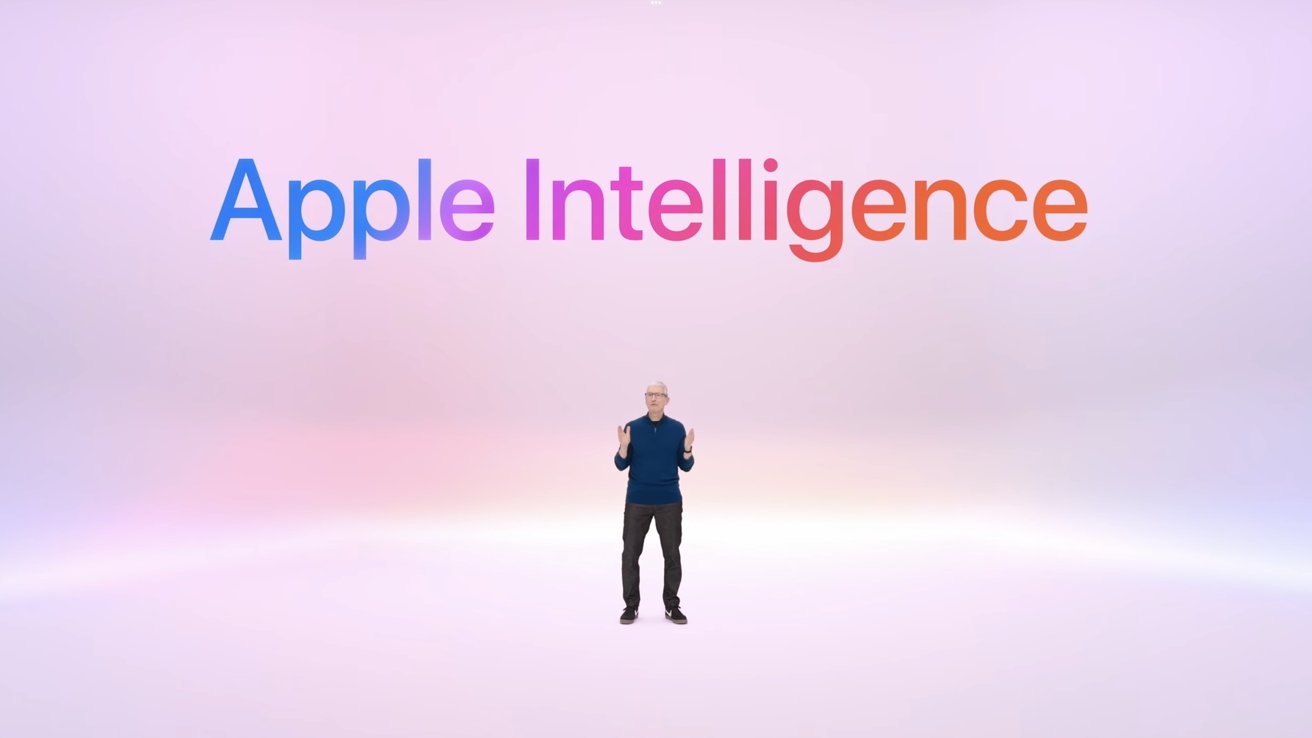
Apple’s approach to AI has been characterized by a focus on integrating intelligence into its existing products rather than developing standalone AI systems. This strategy is evident in features like Apple Intelligence, which enhances the iPhone experience through smarter Siri interactions, improved photo editing suggestions, and personalized app recommendations.
While some surveys have suggested that consumers may not yet fully appreciate AI features on their devices, Apple’s commitment to privacy and on-device processing positions it well for future developments. As AI technologies continue to evolve, the iPhone’s role as a central hub for personal data and AI interactions is likely to become even more pronounced.
Conclusion
Aravind Srinivas’s insights shed light on the evolving relationship between AI advancements and the iPhone’s significance. Rather than being rendered obsolete, the iPhone is poised to become an even more essential tool in the AI-driven future. Apple’s focus on hardware innovation, user privacy, and seamless integration of AI into its ecosystem positions the company to capitalize on the opportunities presented by the AI revolution.