iOS 27 Compatibility: iPhone 11 and SE (2nd Gen) to Miss Out
As Apple gears up for the unveiling of iOS 27 at the upcoming Worldwide Developers Conference (WWDC) in June 2026, a recent leak has surfaced, shedding light on which iPhone models will support the new operating system. According to information from the Chinese social media platform Weibo, shared by leaker Instant Digital, several older iPhone models, notably the iPhone 11 series and the second-generation iPhone SE, will not be compatible with iOS 27.
Expected Compatible Devices:
The leaked list of iPhones anticipated to support iOS 27 includes:
– iPhone 12 series: iPhone 12, 12 mini, 12 Pro, 12 Pro Max
– iPhone 13 series: iPhone 13, 13 mini, 13 Pro, 13 Pro Max
– iPhone 14 series: iPhone 14, 14 Plus, 14 Pro, 14 Pro Max
– iPhone 15 series: iPhone 15, 15 Plus, 15 Pro, 15 Pro Max
– iPhone 16 series: iPhone 16, 16 Plus, 16e, 16 Pro, 16 Pro Max
– iPhone 17 series: iPhone 17, 17e, 17 Pro, 17 Pro Max
– iPhone Air
– iPhone SE (3rd generation)
Additionally, the forthcoming iPhone 18 lineup and the anticipated iPhone Fold are expected to be compatible with iOS 27.
Devices Losing Support:
If this information holds true, the following models will not receive the iOS 27 update:
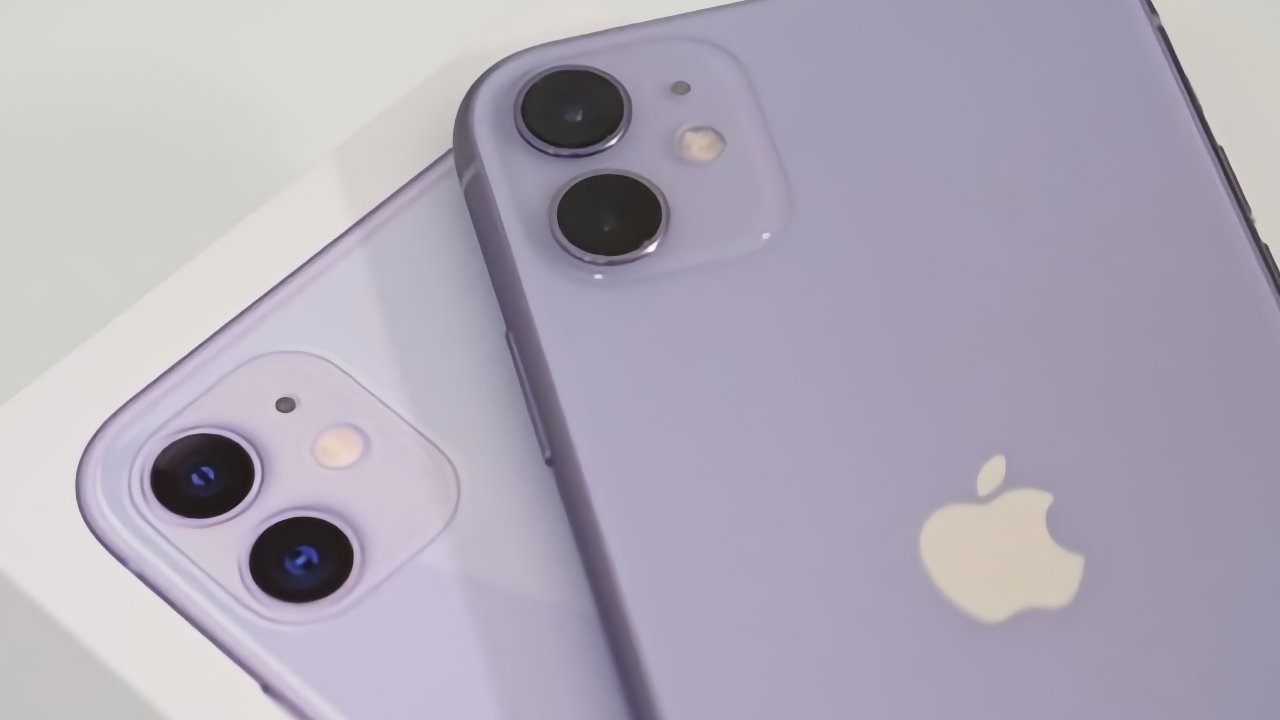
– iPhone 11 series: iPhone 11, 11 Pro, 11 Pro Max
– iPhone SE (2nd generation)
This development indicates that Apple is phasing out support for devices that are approximately seven years old. The iPhone 11 series was launched in 2019, while the second-generation iPhone SE debuted in 2020.
Historical Context:
Apple has a history of extending software support to older devices, but there are always limitations. For instance, with the release of iOS 26, support was discontinued for the iPhone XS, iPhone XS Max, and iPhone XR, all of which were released in 2018. This pattern suggests that Apple typically provides software updates for devices for about seven years before phasing them out.
Implications for Users:
For users of the iPhone 11 series and the second-generation iPhone SE, this means that while their devices will continue to function, they will not benefit from the new features, security updates, and performance improvements that come with iOS 27. This could impact app compatibility and overall device performance over time.
Looking Ahead:
Apple’s decision to limit iOS 27 support to newer devices may be influenced by the operating system’s anticipated features. Rumors suggest that iOS 27 will focus on enhancing stability and performance, akin to the approach taken with macOS X Snow Leopard. Additionally, significant upgrades to Apple Intelligence are expected, including a more advanced Siri with improved memory and personality traits, and enhancements to apps like Safari and Wallet.
These advancements may require more robust hardware capabilities, which older devices might lack. By focusing on newer models, Apple can ensure that users experience the full benefits of iOS 27 without compromising performance.
Conclusion:
While the official compatibility list for iOS 27 will be confirmed at WWDC 2026, current leaks suggest that the iPhone 11 series and the second-generation iPhone SE will not be supported. This move aligns with Apple’s trend of providing approximately seven years of software support for its devices. Users of these models should consider this information when planning future device upgrades to ensure continued access to the latest features and security updates.