Court Halts Government’s Removal of ICE Monitoring Apps, Upholding First Amendment Rights
In a landmark decision on April 17, 2026, a federal court issued a preliminary injunction against the U.S. Department of Homeland Security (DHS) and the Department of Justice (DOJ), preventing them from coercing tech giants like Apple and Facebook into removing applications designed to monitor Immigration and Customs Enforcement (ICE) activities. This ruling underscores the protection of First Amendment rights concerning free speech and the public’s ability to document government operations.
Background of the Case
The controversy began in October 2025 when Apple removed several apps from its App Store, including ICEBlock, Red Dot, and Eyes Up. These applications enabled users to report and share information about ICE activities, aiming to promote transparency and accountability. Apple cited violations of its App Store guidelines, specifically guideline 1.1.1, which prohibits defamatory, discriminatory, or mean-spirited content. The removal was reportedly in response to information from law enforcement agencies highlighting safety concerns.
Simultaneously, Facebook disabled the group ICE Sightings – Chicagoland on October 14, 2025, stating that it violated community standards. This action coincided with then-U.S. Attorney General Pam Bondi’s public announcement that Facebook had closed a large group used to dox ICE agents in Chicago following outreach from the DOJ.
Legal Challenge and Court Findings
In February 2026, the Foundation for Individual Rights and Expression (FIRE) filed a lawsuit against the U.S. government, alleging that the forced removal of these apps and groups constituted a violation of the First Amendment. The court’s memorandum opinion and order revealed that government agencies had directly contacted Apple and Facebook, demanding the takedowns under the implicit threat of prosecution for non-compliance.
The court determined that such actions likely infringed upon the plaintiffs’ First Amendment rights by coercing private platforms to suppress lawful speech. This finding led to the issuance of a preliminary injunction, preventing further governmental interference in the availability of these applications and groups.
Implications and Reactions
Colin McDonell, Senior Attorney at FIRE, expressed optimism about the ruling, stating, Even though it’s not the end of the case, it bodes well for the future of our legal fight to ensure that the First Amendment protects the right to discuss, record, and criticize what law enforcement does in public.
This decision not only allows the plaintiffs to collaborate with Apple and Facebook to restore their applications and groups but also sets a significant precedent regarding the limits of governmental authority over private platforms and the protection of free speech in the digital age.
Historical Context and Ongoing Developments
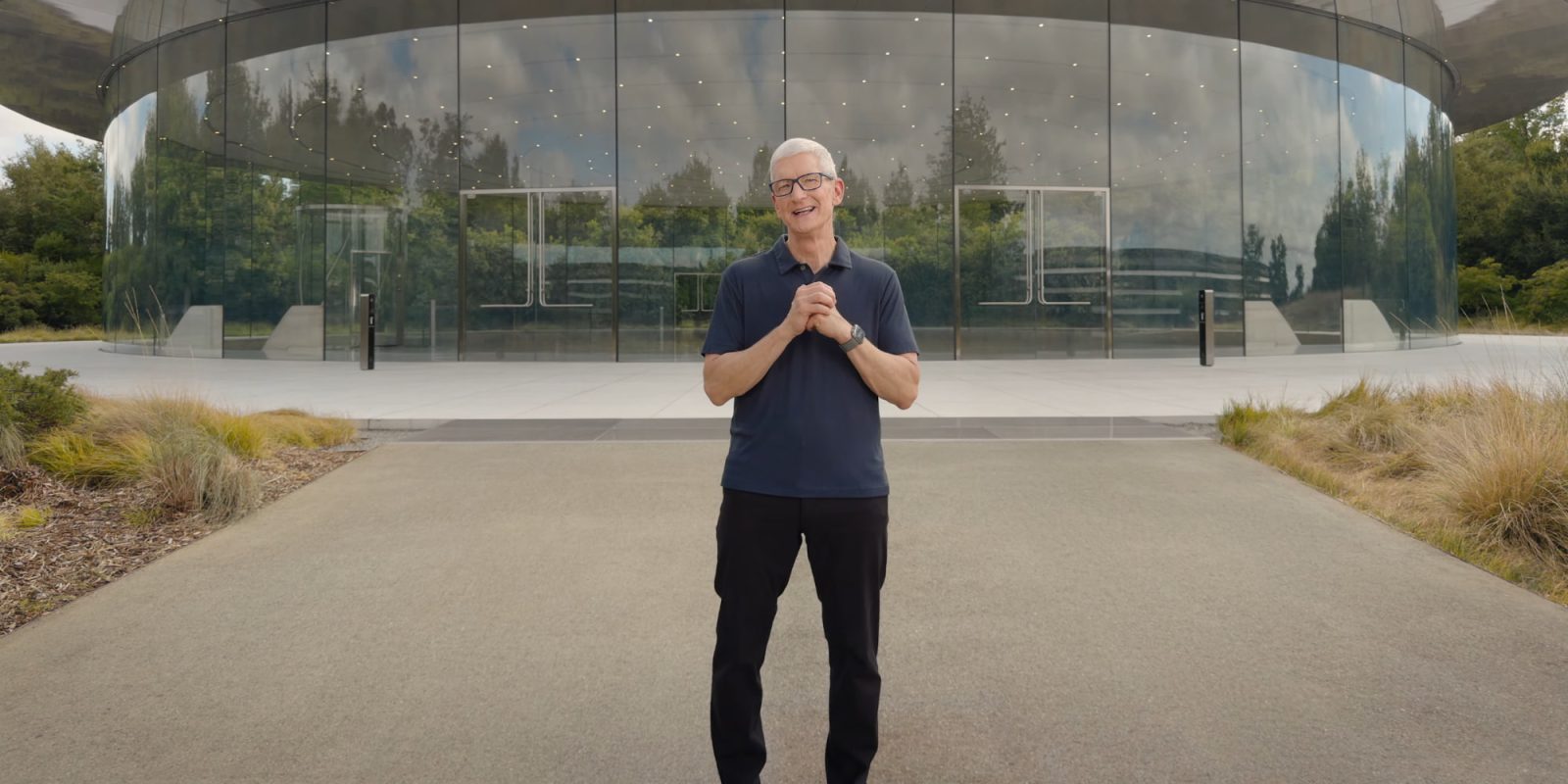
The removal of ICEBlock and similar apps had previously sparked debates about the balance between national security and civil liberties. In December 2025, the House Committee on Homeland Security sent letters to Apple CEO Tim Cook and Google CEO Sundar Pichai, seeking information on measures taken to prevent the reappearance of such apps in their respective stores. This move was perceived by some as an attempt to suppress tools that promote government transparency.
Furthermore, in December 2025, Joshua Aaron, the developer of ICEBlock, filed a lawsuit against the DOJ, DHS, and other officials, alleging that the government’s actions violated his First Amendment rights. Aaron’s legal challenge highlighted concerns about governmental overreach and the potential chilling effect on developers and users seeking to engage in lawful monitoring of public officials.
Public Response and Protests
The removal of these applications also led to public demonstrations. In December 2025, protesters gathered outside the Apple Store in Portland, Oregon, dressed as Santa Claus, demanding the reinstatement of ICEBlock and urging Apple to resist governmental pressure. These protests underscored the public’s demand for corporate accountability and the protection of digital spaces as platforms for free expression.
Conclusion
The court’s recent injunction serves as a critical affirmation of First Amendment protections in the context of digital platforms and governmental influence. It emphasizes the importance of safeguarding the public’s right to monitor and report on government activities without undue interference. As the legal proceedings continue, this case will likely have lasting implications for the relationship between technology companies, government agencies, and the preservation of civil liberties in the digital era.